
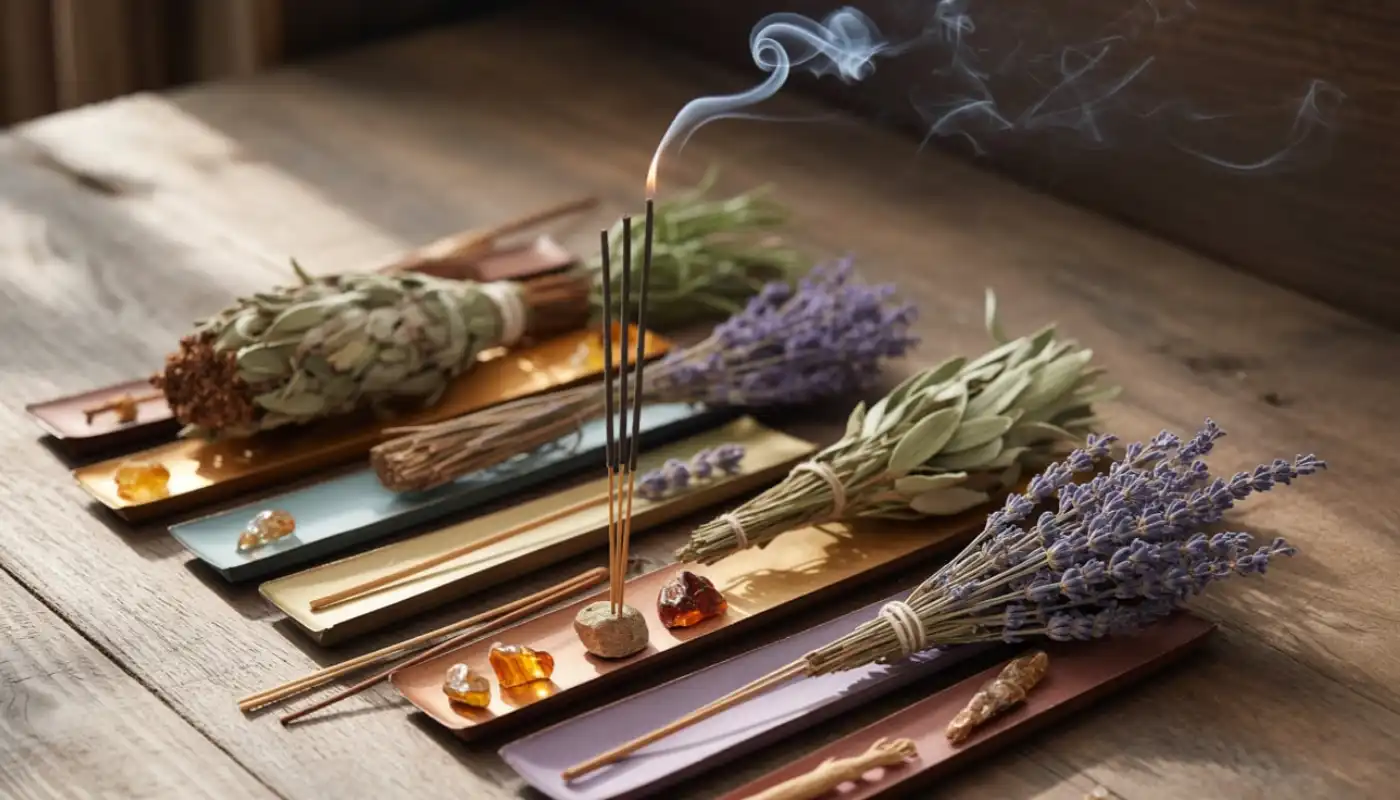

Make your homemade herbal incense, an ancient practice that originated in China. Due to its medicinal, aromatic, therapeutic, and spiritual potency, it subsequently spread through other East Asian regions and to different continents of the world.
Herbal incense is well-known for its pleasant smell and soothing effects, and is usually used for relaxation, meditation, and in aromatherapy. The pleasant scent also helps create a peaceful atmosphere, improving focus, and reducing stress.
Nowadays, most store-bought herbal incense products likely contain synthetic additives or ingredients that can be inimical to your health.
Hence, preparing herbal incense recipes at home allows you to have better control over your ingredients, personalize your blend, and enjoy a deeper connection with nature.
Would you like to learn how to prepare herbal incense at home rather than buying mass-marketed herbal incense products? This article is for you!
In this detailed step-by-step guide, you will learn how to make homemade herbal incense – both shaped and powdered incense. Read on!
How To Make Homebase Herbal Incense
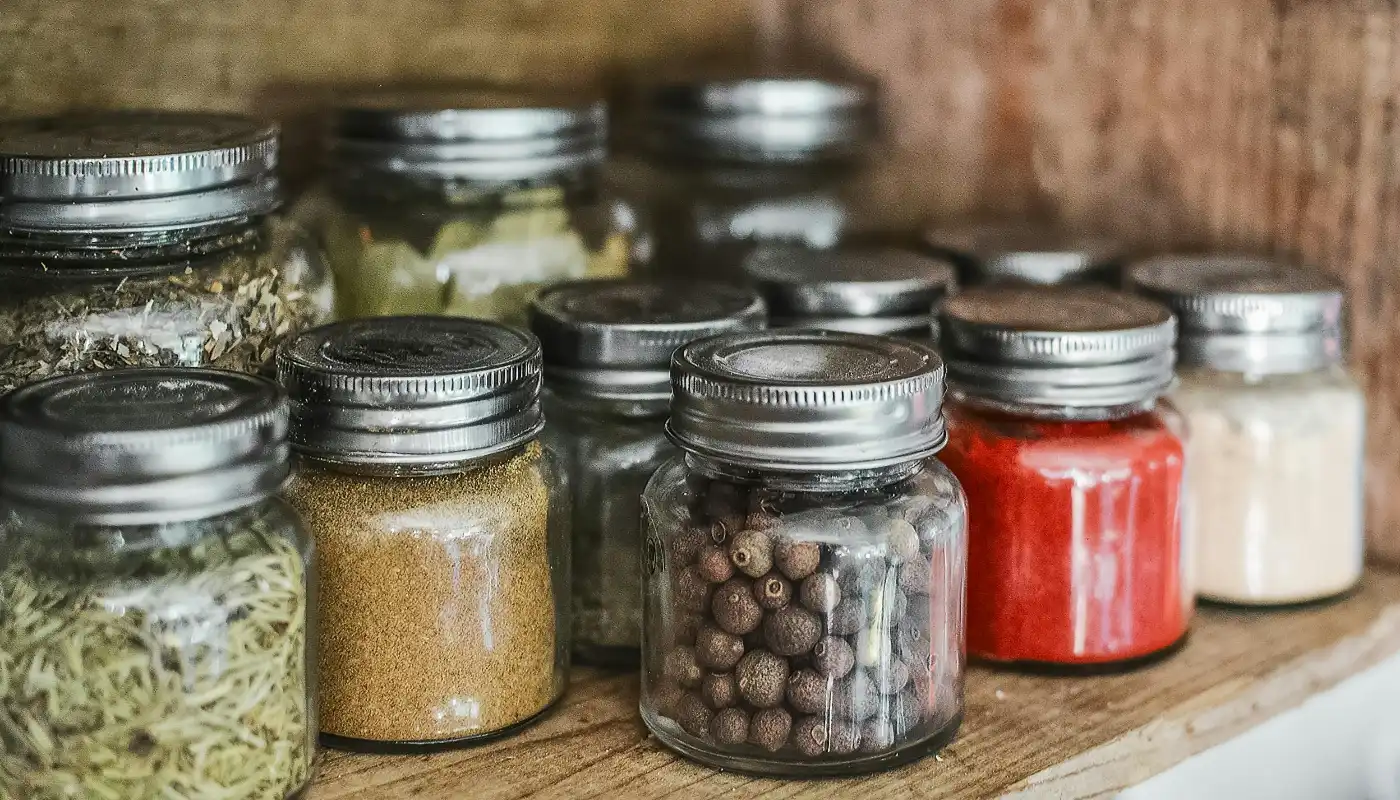
Materials and Tools Needed
- Measuring spoons
- Spice grinder or mortar and pestle
- Small mixing bowls
- Fine mesh sieves (optional)
- Parchment (for drying cone incense)
- Molds
Ingredients Needed to Make Herbal Incense
To make homemade herbal incense, you have to select your herbs carefully. This is because different herbs possess different fragrances and energetic properties.
More so, these herbs serve as the aromatic ingredients of your incense. How your incense smells depends on the herb used.
Most importantly, check if you are allergic or sensitive to certain herbs or ingredients and avoid them to prevent further health issues.
Some commonly used herbs for making incense include rosemary, lemongrass, cinnamon, elderberry, marshmallow roots, peppermint, myrrh, sage, lavender, juniper, and cedar.
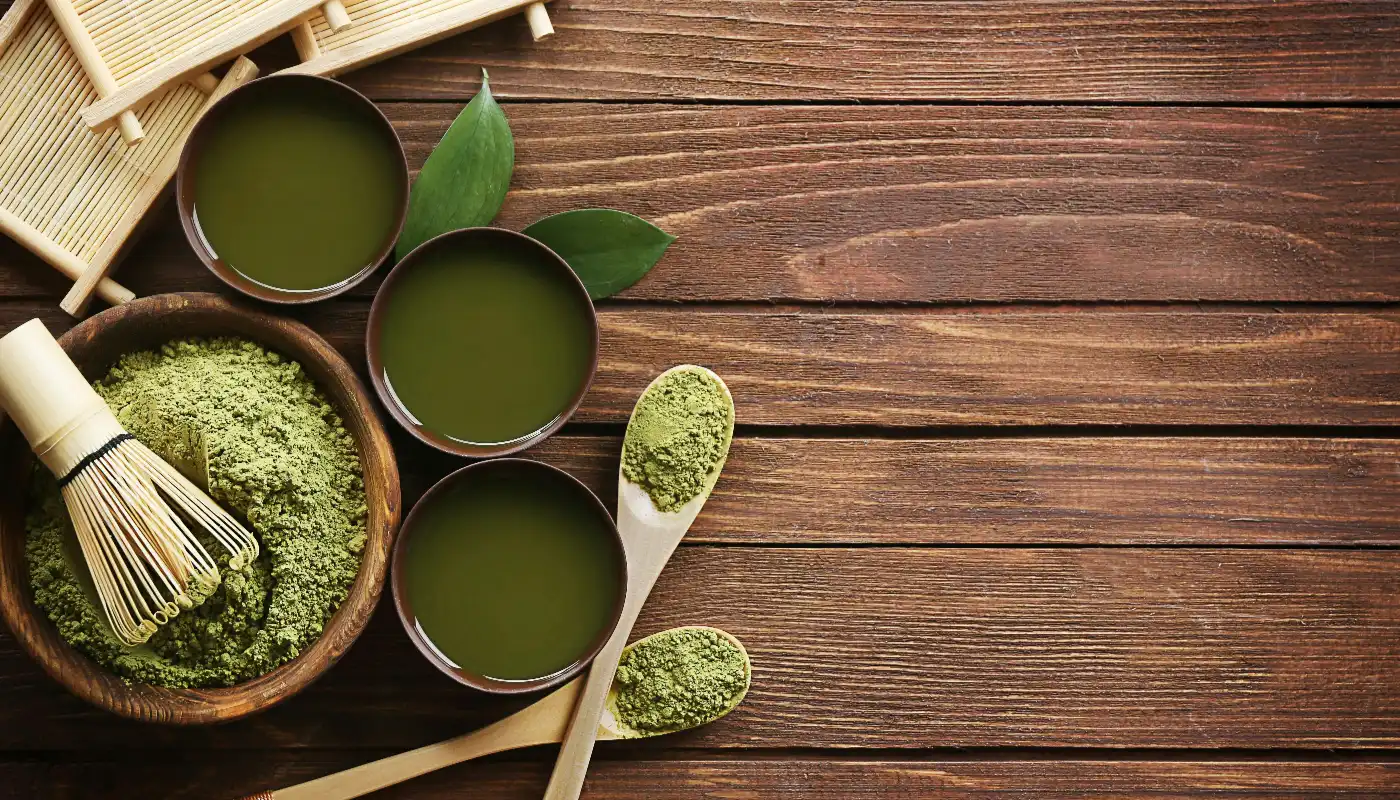
You can either use the herbs individually or combine them to create a more complex fragrance. You can also add natural resins like frankincense, myrrh, or conifer tree sap to enhance the fragrance.
The other major ingredients besides herbs are the base, binder, and water. The combination of these ingredients will form the incense dough that you can mold into either the incense cones or incense sticks.
The base material serves as the heat source that makes it burn well and evenly. You can use a non-scented base or one with a fragrance that blends with the other ingredients.
Sandalwood is a commonly used base that also has a pleasant fragrance. Pine and cedar are also base materials with a pleasant aroma.
Although charcoal and alder can also be used as base materials, they add little to no fragrance to the mixture. Nevertheless, new incense makers find them more comfortable to work with.
Binders are the glue to hold the ingredients in the mixture together in any form you intend to mold them into.
They come in two forms: wood powders and gum powders.
Examples of gum powders are guar gum and xanthan gum. They do not possess any fragrance of their own. They are stronger and hold up better than wood powder. However, adding too much gum powder to your incense mix will prevent it from burning well.
Wood powders, on the other hand, are the most used binders, making up about 75% of many DIY incense recipes. Examples of wood powders are Makko powder and joss powder. Makko powder acts as both a base and binder at the same time.
Water or any water-based liquid is added to the mixture to activate the binder. Whether you’re using wood or gum powder, you need to add water to moisten the herb mixture.
Preparation
There are two easy ways to prepare your incense. You can either make them as loose powders or mold them into cones or sticks.
Steps To Make Loose Incense
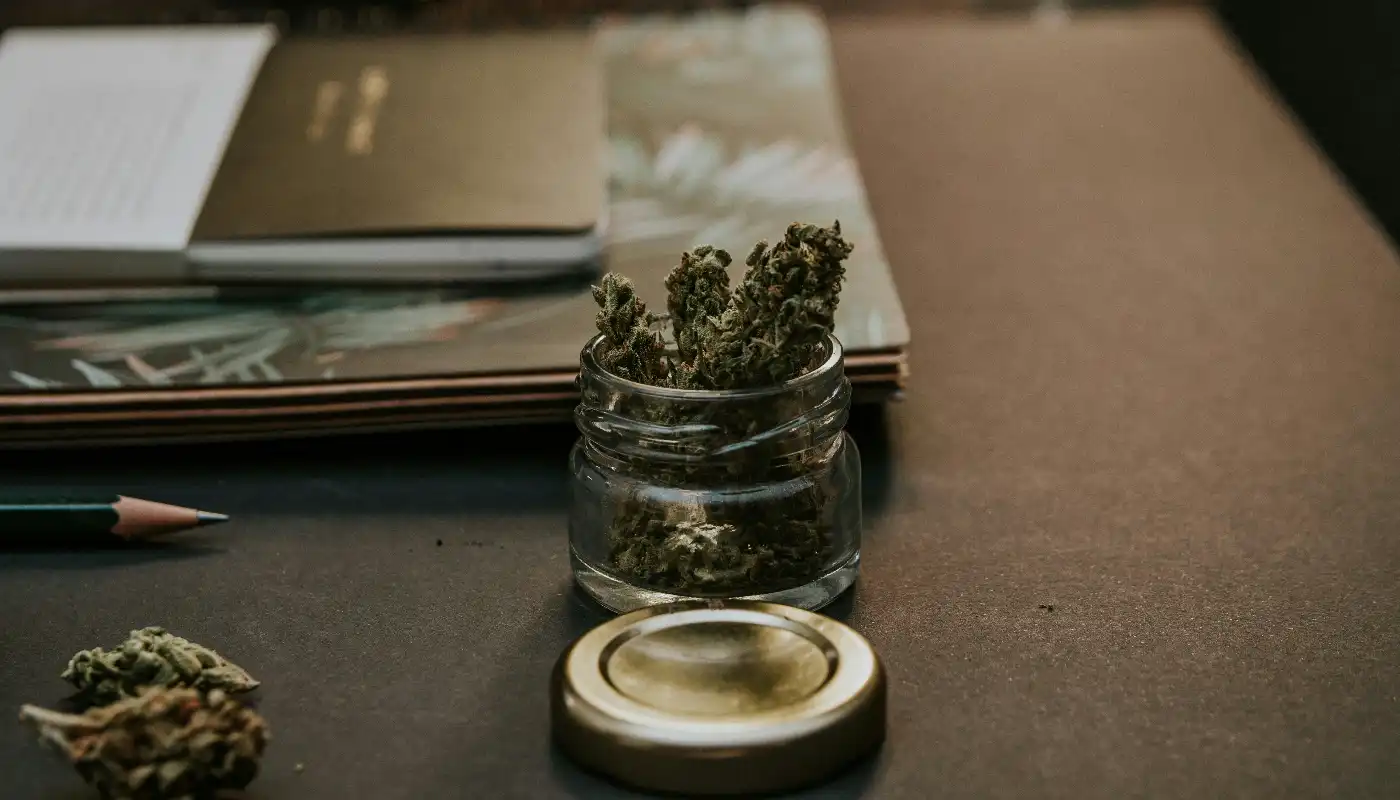
Loose incense is a blend of dried herbs, natural powdered resins, and spices. They do not require a binder or water.
First, grind the dried plants into powder form using a mortar and pestle. You may decide to pass them through a fine mesh sieve to obtain more tiny particles. This step is optional.
After grinding, add your spices and resin to it and mix until everything is well combined.
You might want to add some makko powder to act as a base. If not, you can burn small amounts on a charcoal disc in a fireproof dish.
Store the remaining mix in an airtight container to protect it from moisture.
Steps To Make Homemade Incense Cones
First, select an individual herb or a combination of your choice for your desired fragrance. You might choose to use fresh herbs to make your incense, but dried ones are preferable as they quicken the drying process.
Then, grind your herbs into fine powdery forms and pour them into a mixing bowl. Next, mix them with makko powder in a ratio of 2:1.
Next, add about 2 tsp of water and 1 tsp of any other liquid of choice to the contents in the mixing bowl. Mix gently until all ingredients are bound together and become dough-like. Ensure that you do not add too much water, as this might affect the shaping procedure.
To shape the dough, create your cones by hand or make use of a mold. You can shape them into joss sticks by rolling the dough into thin sticks or using an incense extruder. You can also make them into masala sticks using bamboo splits from the incense dragon.
Place your incense on a parchment or tray under direct sunlight and allow it to dry thoroughly for about 6-8 days. Ensure that they dry out completely, as they may not burn properly if they are still moist.
Test-burn one of the incense cones or sticks to check for dryness. Now, you have successfully made your homemade herbal incense.
If this is your first time making herbal incense, we advise that you start with small batches of incense. Make small amounts of incense to master the right choice and measurements for all the ingredients. This will enable you to adjust the measurements gradually until you hit perfection.
Also, when burning your incense, place them in a well-ventilated room and on a non-flammable surface. When not in use, store them in an airtight container to protect them from moisture. To preserve their fragrance, keep them in a cool, dry place.
Frequently Asked Questions (FAQs)
Any water-based liquid, like herbal tea, fruit juice, coffee, milk, etc., can be used. You can also use honey.
Yes, you can add essential oil to your incense to enhance fragrance. But note that essential oils can’t be used as a substitute for water. Essential oils do not contain water and won’t play the role of water.
There is no standard measurement for each ingredient when preparing homemade herbal incense. However, we recommend that you first make a small amount of the incense and note the measurements of the ingredients. If you are comfortable with the outcome, then stick to the measurements. Otherwise, adjust the measurement on your next try until you hit perfection.