



Extra-large outdoor planters are the ultimate, more budget-friendly way to make a high-impact statement in your garden, transforming empty patios, yards, entryways, and balconies into lush, green spaces.
- What Counts as an Extra Large Outdoor Planter?
- Best Cheap Extra Large Outdoor Planters (Top Picks)
- Plastic and Resin Planters
- Fiberglass Planters
- Fabric Grow Bags (Extra Large Sizes)
- Concrete-Look and Composite Planters
- Plastic vs Ceramic vs Concrete Planters (Cost Comparison)
- Best Extra Large Planters for Trees and Shrubs
- Where to Buy Cheap Extra Large Outdoor Planters
- DIY and Budget Alternatives to Save Money
- What to Check Before Buying a Large Outdoor Planter
- Common Mistakes When Buying Cheap Large Planters
- Final Thoughts — Big Planters Don’t Have to Be Expensive
- Frequently Asked Questions (FAQs)
However, large outdoor planters are expensive due to high material costs, labor-intensive craftsmanship, specialized durability to withstand environmental stress, UV rays, and a heavy root system, and the logistics of transporting heavy, bulky items.
Durable materials like high-grade clay, metal, or fiberglass, combined with specialized coatings for weather resistance and artistic, hand-painted details, significantly increase manufacturing costs.
When shopping for cheap extra-large outdoor planters, buyers are often concerned with balancing cost against weight, durability (structural integrity), and proper drainage.
In this guide, we will navigate these challenges to find cheap, stylish, and durable solutions. This guide will provide you with modern, rustic, and durable options to help you achieve a high-end, professionally landscaped look without the high-end price tag.
Read on to start your green transformation today!
What Counts as an Extra Large Outdoor Planter?
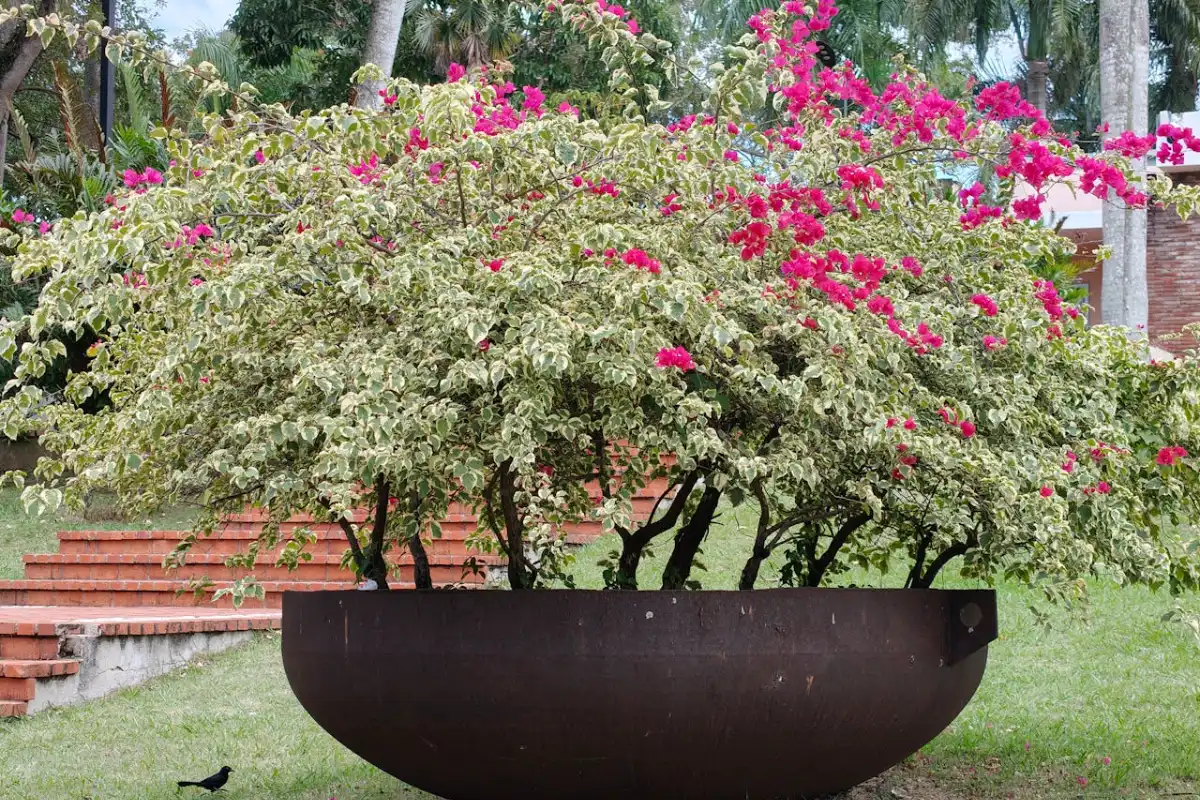
To get started, let’s first consider what counts as an extra-large outdoor planter.
Generally, extra-large outdoor planters are pots/containers with a diameter, width, or height exceeding 24in. (60cm).
While large outdoor planters might start at 18in. in diameter, extra-large planters are often 24in. to over 36in. in diameter with a depth of at least 18in. to 24in. This depth ensures that the soil stays insulated against temperature swings and provides enough space for significant root expansion.
Extra-large outdoor planters are typically designed to hold at least 16 gallons of soil, providing stability, ample root space, and moisture retention for mature plants.
Due to their massive size and sturdy construction, these planters are ideal for trees and shrubs that require deep, stable, and well-draining environments.
These jumbo planters are also perfect for establishing privacy plants on patios or balconies, holding dense shrubs, bamboo, or large ornamental grasses. These aren’t just containers; they are essentially portable garden beds.
Due to their weight, materials such as lightweight fiberglass or durable fiberstone are often preferred for rooftops or balconies, while heavy-duty, frost-proof pots are chosen for permanent, ground-level anchoring.
Please note that these big pots are often heavy when filled with soil and require two people to move them.
Best Cheap Extra Large Outdoor Planters (Top Picks)
Finding the best,cheap extra-large outdoor planters requires balancing upfront costs with longevity. Investing in materials that won’t degrade or crack quickly saves money in the long run.
The best options include plastic/resin for affordability, fiberglass for a high-end look, durable fabric bags for maximum capacity, and composite materials for stability. Here are the top picks for cheap, extra-large outdoor planters, categorized by material.
Plastic and Resin Planters
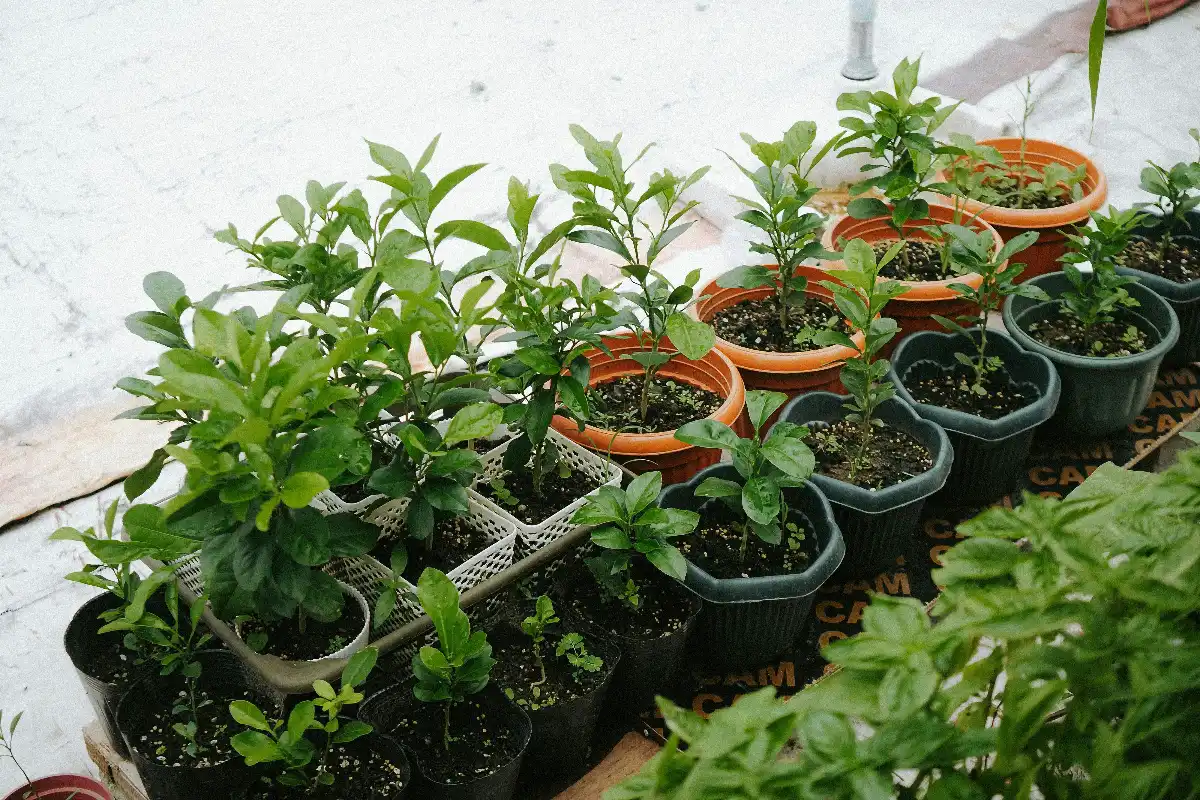
If your priority is affordability and lightweightness for ease of movement, high-quality plastic and resin planters are your best options.
These lightweight, large outdoor planters are generally the most budget-friendly option for large pots. They are made from polypropylene resin, making them incredibly lightweight and ideal for balconies or patios where weight is a concern.
The primary advantage here is the price-to-size ratio. You can often find 24in. or 28in. resin planters for less than $60. Also, because they are non-porous, they also excel at retaining moisture, making them ideal for thirsty plants like hydrangeas or canna lilies.
- Top Features: Look for high-density polyethylene (HDPE) resin planters or options with high UV protection. This prevents them from bleaching, becoming brittle, and cracking under intense sun – a common fate for cheaper, untreated containers.
- Pros: They are very affordable, lightweight, and easy to move. They are available in styles that mimic clay or concrete.
- Cons: They are less durable than fiberglass or concrete and may need to be replaced every 3 to 5 years.
Plastic and resin planters are best for renters, high-rise balconies, and seasonal plant changes.
Fiberglass Planters
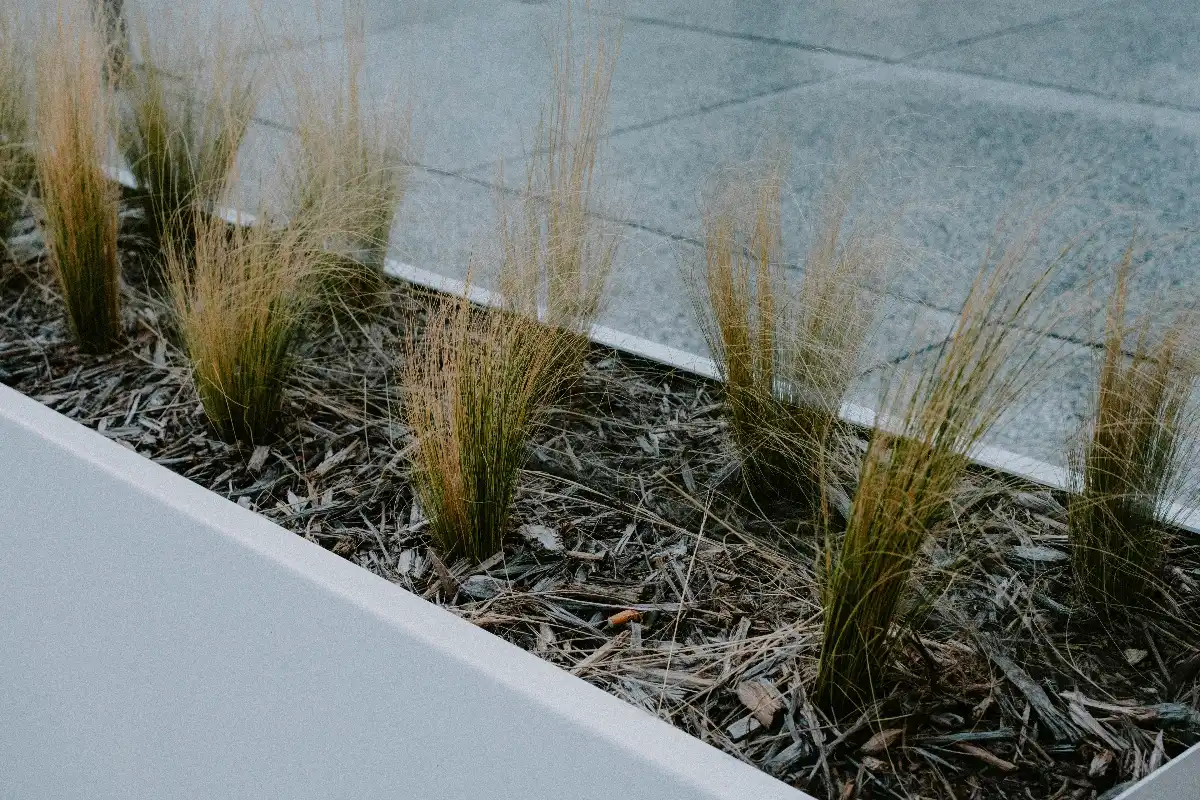
Fiberglass planters are options for those looking for affordable luxury – mid-range price with a premium look. They provide a modern, sleek appearance for a fraction of the cost of materials like lead, iron, or cast stone.
They are also considered a high-ROI (Return on Investment) choice because they’re durable, incredibly strong yet surprisingly thin and lightweight.
A distinguishing feature of fiberglass is its thermal insulation for roots. Unlike thin plastic, fiberglass provides a more stable internal temperature, thanks to its composite nature. This makes fiberglass planters perfect for trees and perennials that stay outside year-round.
Though more expensive than pure plastic planters, they are significantly cheaper than the heavy stone equivalents they imitate. They are also entirely frost-proof, meaning they won’t crack when the thermometer drops below freezing.
- Top Features: Fiberglass planters are rust-resistant, UV-resistant, and frost-resistant. This means they can be left outside year-round.
- Pros: They provide excellent root insulation and don’t require heavy lifting.
- Cons: They have a slightly higher initial investment than plastic, though they last significantly longer.
They are best for modern patios, entryways, and long-term, low-maintenance landscaping.
Fabric Grow Bags (Extra Large Sizes)
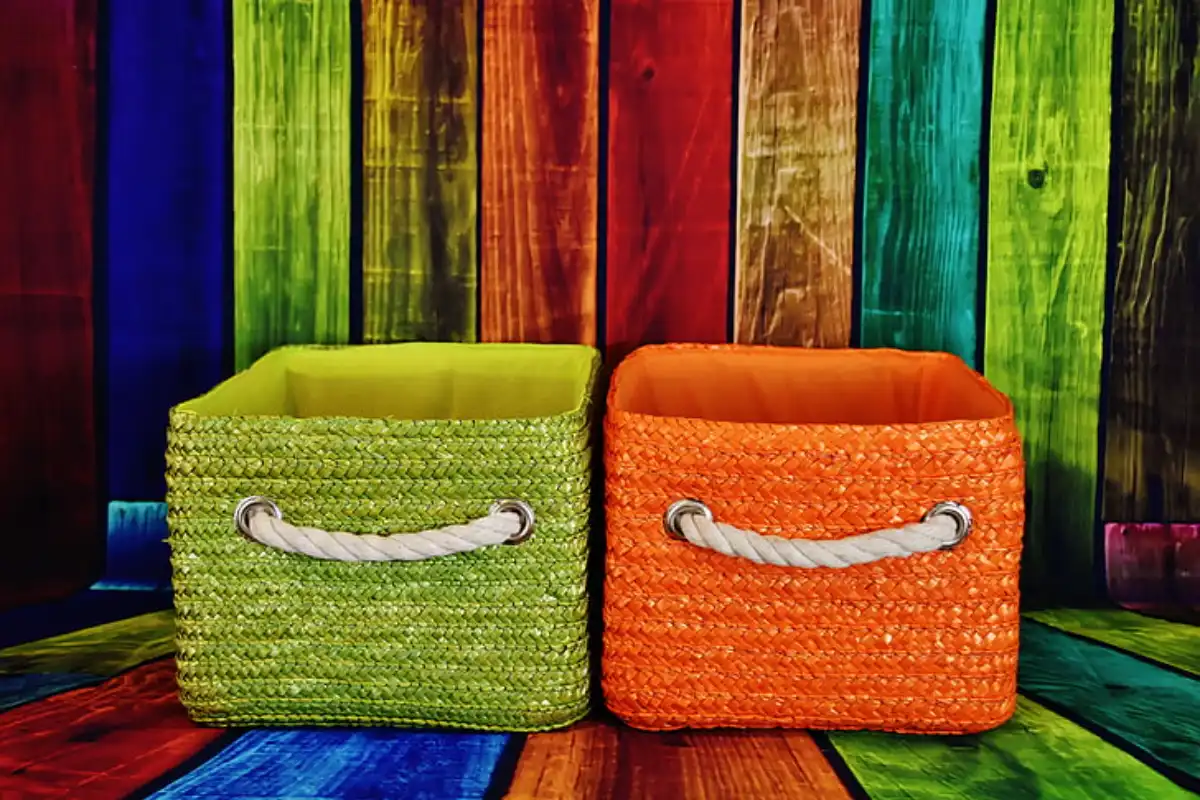
These are suitable for gardeners on a strict budget who want bags for extra-large planting. They offer maximum planting capacity on a budget, offering 10, 50, or 100+ gallons of soil volume for less than $25.
While they lack the aesthetic of a hard-sided pot, they are unmatched in plant health. Generally, fabric grow bags are a popular choice for vegetable gardening and creating temporary raised beds.
The magical feature of fabric grow bags is air pruning.
When roots reach the edge of a fabric bag, they are exposed to air and naturally stop growing at the tips, triggering the plant to sprout more fibrous feeder roots from the center. This prevents the circling, girdling roots that often kill trees in plastic pots.
- Top Features: They offer the largest planting size at the cheapest rate. Also, their air-prunning feature is amazing.
- Pros: They are inexpensive, lightweight, and promote air pruning for healthier root systems. They offer exceptional drainage and prevent plants from becoming root-bound.
- Cons: They have a shorter lifespan of about 3 to 5 years. They are not as visually appealing as hard-sided pots. They require more frequent watering, as they are porous and dry out faster.
Fabric grow bags are best for vegetable gardening, quick-growing annuals, and budget-conscious gardeners.
Concrete-Look and Composite Planters
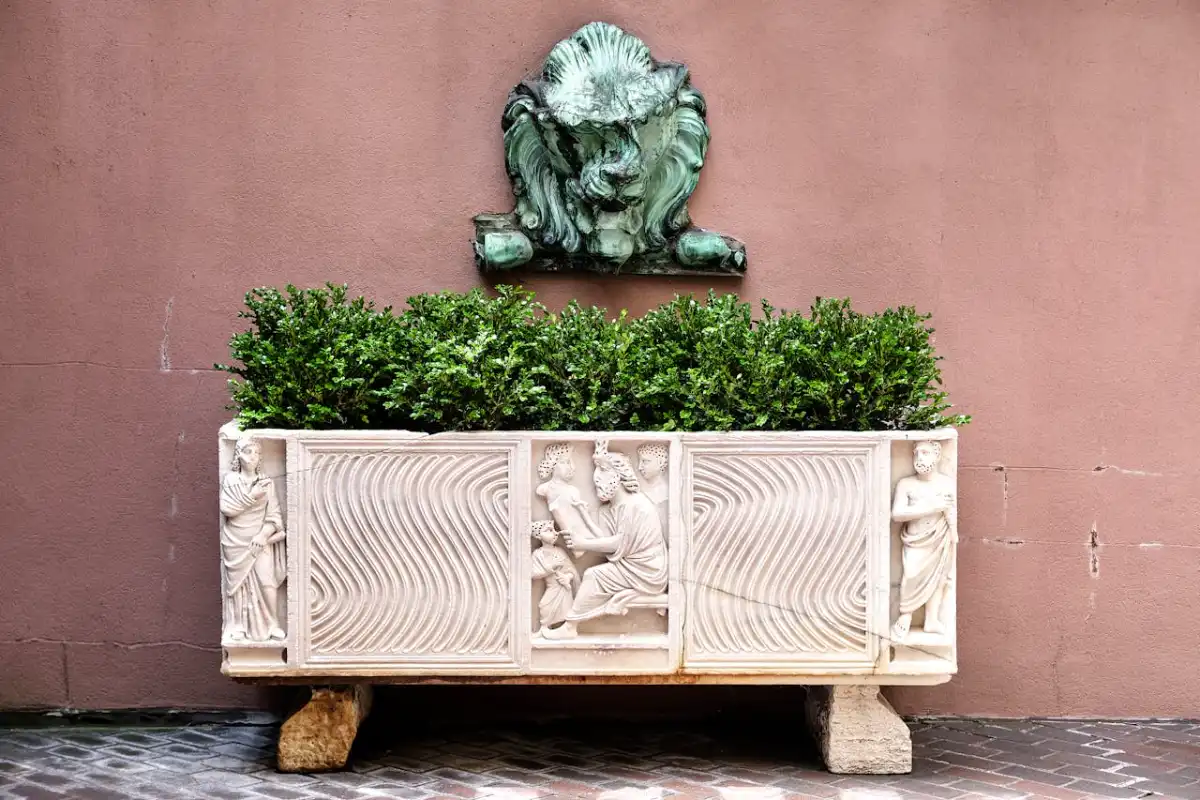
The last on our list are the concrete-look and composite planters, suitable for those living in a high-wind area. Concrete-look, composite planters offer a heavy appearance and feel, but without the extreme weight.
That is, they offer the weight needed for windy, exposed locations without the impossible-to-move weight of solid concrete.
They offer the stability and wind resistance needed for tall privacy plants or topiary, but they won’t require a forklift to move onto your patio.
Top Features: Concrete-look, composite planters offer excellent stability in windy areas due to their solid base.
Pros: They are durable, frost-proof, and provide superior insulation for root systems.
Cons: They are more expensive than pure plastic, and if not sealed properly, they can be damaged in intense freeze-thaw cycles.
This big planter type is best for rooftops, windy patios, and permanent, heavy-duty landscaping.
Plastic vs Ceramic vs Concrete Planters (Cost Comparison)
Choosing between plastic, ceramic, or concrete planters involves balancing upfront costs, durability, and maintenance. Here is how the three extra-large planter types stack up for comparison in 2026.
Plastic planters
These are the most budget-friendly option, costing just a few dollars. They are highly resilient to drops and, if UV-stabilized, can handle extreme weather well without cracking.
However, even the best plastic will eventually fade or become brittle over time, especially if exposed to direct sunlight. Maintenance is low, but they lack breathability, increasing the risk of waterlogged soil.
Generally, plastic planters are ideal for temporary or lightweight indoor needs.
Ceramic planters
They generally fall into a moderate-to-high price range and are prized for their decorative, glossy, or artistic designs. They offer excellent root insulation but require careful handling.
While beautiful and durable for years, they are fragile, heavy, and susceptible to cracking in freezing weather, making them better suited for indoors or sheltered, warmer outdoor spaces.
Concrete planters
These are the most durable and often the most expensive option, offering an industrial, modern look and excellent stability against wind.
They are very heavy, making them unsuitable for balconies or moving, and they can develop hairline cracks over decades in freezing conditions if not sealed properly.
The weight makes it the only choice for wind-prone balconies where plastic pots would simply fly away.
Plastic vs ceramic planters often come down to portability versus aesthetic appeal. Plastic wins on cost and weight (ideal for beginners), while ceramic offers superior, long-lasting beauty and better root health (breathability) at a higher cost.
| Feature | Plastic | Ceramic | Concrete |
| Avg. Price (24″+) | $35 – $95 | $120 – $350+ | $150 – $280 |
| Weight | Ultralight | Very Heavy | Extreme |
| Lifespan | 3 to 7 years | 10+ years (if protected) | 20+ years |
| Freeze-Thaw | Excellent (flexible) | Poor (shatters) | Good (if sealed) |
Best Extra Large Planters for Trees and Shrubs
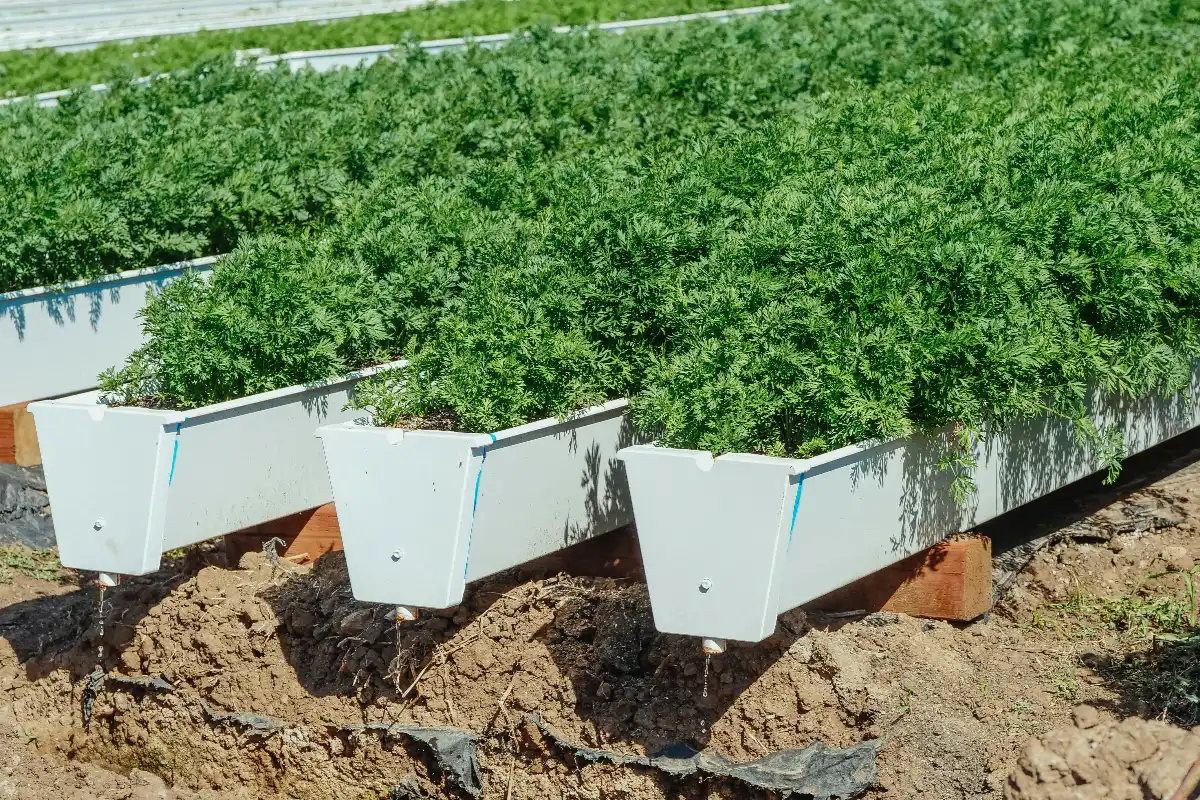
When it comes to big outdoor planters for trees and shrubs, size isn’t just an aesthetic choice; it’s a survival requirement.
For a tree or shrub to thrive long-term, you need a planter with enough size and thermal mass to accommodate and protect roots from extreme temperature swings.
Minimum size recommendations
For any tree to thrive, the pot must accommodate significant growth. As a rule of thumb, the minimum outdoor planter size for a small tree is 24in. diameter and a depth of at least 20in. to ensure stability and room for development.
If you’re planting fast-growing shrubs for privacy, such as arborvitae or clumping bamboo, aim for 30in. or larger. These sizes ensure the tree doesn’t become root-bound within its first year.
Drainage
Adequate drainage is paramount; planters must have large, functional drainage holes to prevent wet feet or root rot. Extra-large planters with drainage holes are excellent for trees, as they maintain consistent moisture while reducing the risk of waterlogging.
When filling, avoid placing heavy rocks at the bottom, which can impede drainage. Instead, use lightweight, inorganic fillers if the pot is too deep.
Many very cheap, large outdoor planters for trees lack adequate drainage. Do not rely on a single, small factory-made hole. If you’re using a resin, plastic, or composite planter, use a power drill to add 4 to 5 additional holes.
This ensures water escapes freely, preventing the stagnant swamp effect at the bottom of the pot.
Root space
Trees’ root systems act as both an anchor and a life-support system. So, you need a planter large enough to accommodate the tree roots. A planter that is too small leads to circling roots that can eventually strangle the plant.
We recommend pots with straight or slightly flared sides rather than those with a narrow bottom. A wider bottom means more soil volume at the base, meaning more weight, which keeps your tree from tipping over during a summer thunderstorm.
Where to Buy Cheap Extra Large Outdoor Planters
Buying cheap extra-large outdoor planters offers a cost-effective way to make a dramatic design statement, enhance landscaping, and support large plants or trees without a high investment.
Here are places you can find large outdoor planters cheaply:
Big-box stores
For immediate, budget-friendly options, visit home improvement stores and discount retailers.
Walmart and The Home Depot are top choices for affordable, large plastic pots, including popular half-barrel styles.
Ollie’s Bargain Outlet and Ocean State Job Lot often stock large planters at significant discounts. IKEA is frequently recommended for large, affordable, non-plastic options.
For discounted designer or high-end-looking pots, retailers like At Home, TJ Maxx, Ross, and Marshalls often have large, durable ceramic or composite planters at significantly lower prices.
Online marketplaces
Amazon is a strong source for budget-friendly large planters, particularly when buying sets, with options ranging from $60 and up for extra-large sizes.
For specialized or wholesale options, Alibaba and Greenhouse Mega Store provide durable, large planters for trees or patios, though shoppers should be wary of shipping costs.
Wayfair frequently offers sales on large pots; for unique, handmade, or vintage options at good prices, search Etsy or Facebook Marketplace.
When making your purchase, timing is key to finding the best deals. The best time to buy is late summer through late fall, as nurseries and garden centers clear inventory.
Mid-summer through late fall is the best time to purchase, as nurseries and stores clear out inventory. Late fall is ideal for finding glazed, ceramic, and durable, large planters at a deep discount.
Lowe’s and Home Depot often mark down large pots in September or October. Furthermore, buying sets—rather than single large pots—often provides better value.
Additionally, check second-hand options, such as thrift stores in affluent neighborhoods or estate sales. Finally, consider buying smaller, plain, cheap planters and using sealant, or look for factory-direct wholesale options, particularly for large resin or plastic options.
DIY and Budget Alternatives to Save Money
If the retail price of extra-large outdoor planters makes you wince, you can look around the home for DIY and budget alternatives to save money.
For the lowest price, consider using large plastic storage tubs or repurposing items like trash cans or wine barrels, which can often be found for $15 to $20 or less.
Repurposed containers
Old household items can be transformed into quirky, rustic planters. Consider using old galvanized wash tubs, bushel baskets, and whiskey/steel barrels cut in half.
Just ensure you drill drainage holes in the containers and elevate them on bricks to prevent the bottom from rotting if wooden. For metal containers, line the inside with bubble wrap or landscape fabric to provide a thermal buffer in summer.
Plastic containers and storage totes also work well. Storage totes are durable, UV-resistant, and significantly cheaper than resin pots of the same size.
Raised bed alternatives
You can avoid expensive store-bought pots by using free or cheap materials for raised beds. Pallet wood is ideal for building sturdy, raised planter boxes, while cinder blocks provide a durable, modular solution.
Alternatively, use natural materials like stacked logs, branches, or straw bales to create a rustic, fertile garden bed. If you’re new to raised garden beds, get started with this article: “How To Build A Raised Garden Bed For Beginners 2026.”
When using repurposed containers – wood or metal, always take note of the following lining and drainage hacks.
Proper drainage is crucial, so always drill holes in the bottom of your containers. To save on soil, you can fill the bottom of large planters with plastic bottles, pine cones, or broken pieces of crockery.
Line wooden planters with plastic sheeting (or old compost bags) to prevent soil from leaching out and rotting, and use weed membrane to contain soil in wire baskets.
You can also try side-drilling by placing your holes 1in. up from the bottom on the sides rather than the very bottom. This prevents the holes from being plugged by the weight of the planter against the patio surface.
Using any of these DIY techniques saves money, reduces waste, and gives your garden a unique, personal touch.
What to Check Before Buying a Large Outdoor Planter
When buying a large outdoor planter, you need to look beyond aesthetics. Evaluating functional, structural, and environmental factors ensures a long-lasting, healthy home for your plants.
Here are essential things to check before buying a large outdoor planter:
Drainage holes
This is very essential to prevent root rot. Ensure the planter has multiple, large, unobstructed drainage holes, or that they can be easily drilled.
Resin and plastic are easy to drill, but ceramic requires a specialized diamond-tipped masonry bit. Without drainage, your expensive tree is just sitting in a bucket of root rot.
Ideally, choose a design with integrated feet, elevate them on bricks, or use pot feet to raise it off the ground for better airflow.
Weight when filled
Always remember that soil plus water equals a lot of weight. A 30in. planter filled with wet soil can exceed 300lbs.
Check the load capacity of your deck or balcony. For high-rise balconies, opt for lightweight materials like fiberstone or fiberglass.
Frost and UV resistance
For year-round outdoor use, material is key. Fiberglass, high-density polyethylene (HDPE), and specially formulated, fiber-reinforced concrete resist cracking in freezing temperatures.
For sunny areas, look for “UV-stabilized” labels to prevent the plastic from becoming brittle and fading within a year.
Cheaper plastics without UV protection will become brittle and chalky after one season, while non-vitrified ceramics will flake and crack during the first winter freeze.
Proportion to plant
A common rule is that the pot should be roughly one-third the height of the mature plant. Avoid excessively large pots for small shrubs, as this can lead to waterlogged soil.
Fiberglass or high-density plastic offers the best balance of longevity, weight, and weather resistance for most users.
After buying your outdoor planter, check out this list of the Best Trees to Plant Near your House. These trees are smart choices and have safe roots.
Common Mistakes When Buying Cheap Large Planters
Buying cheap, large planters can quickly turn into a costly mistake if they fail after one season. The most common pitfall is prioritizing aesthetics over durability.
Inexpensive materials, particularly thin plastics, often degrade rapidly under UV exposure, becoming brittle and cracking within a year.
Avoid planters with painted-on finishes. Look for an integrated color where the resin is the same color throughout. If you scratch the surface and see white or grey plastic underneath, that finish will likely flake off after one season of UV exposure.
Another major issue is the neglect of drainage and the quality of structural materials. Large, cheap containers often lack sufficient drainage holes, leading to waterlogged soil and root rot. If the material is too brittle to drill without cracking, leave it at the store.
Furthermore, low-quality concrete or ceramic can crack in cold, freeze-thaw climates.
Finally, buying too small or failing to account for the required soil volume can result in root-bound plants that cannot thrive.
For trees and shrubs, you need a container that accommodates at least 2 years of root expansion. A pot that is just enough now will result in a stunted, stressed plant by mid-summer and might need a replacement, making it a poor long-term investment.
To avoid these common mistakes, ensure the planter has adequate drainage, is made from durable materials such as UV-stabilized resin or fiberstone, and provides sufficient room for the root system.
Final Thoughts — Big Planters Don’t Have to Be Expensive
Extra-large outdoor planters are essential for creating dramatic, high-impact garden, porch, or patio scenes, but they do not need to come with a premium price tag.
The key to staying within budget is prioritizing function over style. A durable, weather-resistant planter that supports plant health through proper drainage is far more valuable than a fragile, purely decorative piece.
Embrace smart material choices to keep costs down without sacrificing longevity. Plastic, resin, and fiberglass-reinforced polymers offer the best balance of affordability, durability, and weight for most climates.
If working on an even tighter budget, consider DIY alternatives like cinder blocks, repurposed containers, etc., which are cost-effective and can be visually appealing.
For filling large pots, use cost-effective fillers such as plastic bottles, empty nursery pots, or packing peanuts at the bottom, which also reduce overall weight and lower the amount of expensive soil required.
Ultimately, focusing on durability and practicality allows you to create a beautiful, lasting, and affordable landscape.
If you notice that your tree is shedding its bark and want to know the cause and solution, this article is for you, “Why Is My Tree Shedding Its Bark? Causes And Solutions For Bark Peeling Off My Tree”
Frequently Asked Questions (FAQs)
Fabric grow bags are the least expensive option for large outdoor planters. You can get a 100-gallon bag for less than $25. If you’re on a very tight budget, repurposed items like whiskey barrels and galvanized stock tanks offer the best price-to-volume ratio. While these options may not be decorative, they provide the necessary space for root growth.
Yes, plastic planters are good for outdoor use, especially those made from UV-stabilized resins or high-density polyethylene (HDPE). Modern plastic planters are excellent for outdoor use because they are lightweight and retain moisture better. However, in the long run, plastic planters are susceptible to fading and brittleness.
For a small tree, aim for a planter with a minimum diameter of 24in. and a depth of at least 18in. to 24in. A larger pot provides the necessary space to protect root, as well as the weight and stability required to keep the tree from tipping over during high winds.
Cracking during winter depends entirely on the planter’s material. Cheap planters like low-fired ceramics and budget terracotta are highly prone to cracking because they absorb water that expands when frozen. If you live in a cold climate, avoid cheap, thin, brittle plastics.
Fabric grow bags are the most budget-friendly way to grow large trees or shrubs. They are ideal for plant health due to their air-pruning effect. However, they aren’t good for permanent use. Most high-quality bags last between 3 and 5 years before the fabric begins to degrade from UV exposure and constant moisture.


