

Knowing the best time to plant wildflower seeds is crucial for success, as timing impacts germination, root development, and bloom cycles.
- Why Timing Matters for Wildflower Seeds
- Best Time to Plant Wildflower Seeds in Spring
- Best Time to Plant Wildflower Seeds in Fall
- Benefits of Fall Sowing
- Natural Cold Stratification
- Timing Windows by Climate
- Fall vs Spring Wildflower Planting
- Planting Wildflower Seeds by Region
- Northern and Cold Climates (Zones 1–6)
- Temperate Regions (Zones 5–8)
- Southern and Warm Climates (Zones 7–11)
- Dry and Arid Regions (Zones 5–10)
- Native Wildflowers vs Non-Native Mixes
- How to Prepare the Soil for Wildflower Seeds
- How to Plant Wildflower Seeds Correctly
- Common Mistakes That Reduce Wildflower Germination
- Wildflower Meadow Planting Tips
- Final Thoughts — Choosing the Best Time to Plant Wildflower Seeds
- Frequently Asked Questions (FAQs)
Also, timing is essential because wildflower seeds need to align with natural moisture, temperature cycles, and periods of low weed competition to succeed.
For instance, if you plant too early in a warm autumn, this could lead to premature sprouting. Plus, exposing the tender seedling to a killing frost. Conversely, planting too late in spring exposes young seedlings to scorching summer sun before their roots can reach deep into the earth.
Typically, the ideal planting time for wildflowers generally falls into two primary windows – fall and spring. Depending on your climate and the type of wildflower.
Planting in the fall allows the seeds to undergo cold stratification, a natural chilling period that breaks dormancy. Seeds planted in fall often bloom up to two weeks earlier than those planted in spring. And are better at competing with early-season weeds.
Most gardeners prefer spring planting, especially those who missed the fall window. Planting in spring is ideal for annuals and works well in regions with extremely unpredictable winter thaws that might trick seeds into sprouting prematurely.
Nevertheless, you need to take note of regional climate differences because a spring thaw in Georgia looks very different from one in Maine.
Whether you want to support local pollinators or simply want your yard to look like a watercolor painting and want to know the best time to plant wildflower seeds, this post is for you. This post presents a detailed wildflower planting guide, covering the timing, tips, and other regional advice.
Why Timing Matters for Wildflower Seeds
Timing is the most important factor for successful wildflower seed germination. This is because wildflowers mostly sprout when environmental conditions ensure their survival.
Wrong timing often leads to dormant seeds failing to sprout, or delicate seedlings dying from frost or drought. Most native perennial wildflowers have hard coats that require natural cold stratification to crack open.
When you sow in autumn, you mimic this natural cycle. Allowing winter’s cold to break down tough seed coats and eliminate internal dormancy inhibitors. This ensures that seeds are “primed” to sprout as soon as soil temperatures warm in early spring, roughly 55°F (13°C).
This is the ideal temperature for wildflower seed germination. If you plant too early in a cold spring, the seeds may succumb to rot before the soil warms. Conversely, if you plant too late in the hot summer, the soil may dry out too quickly. Killing the delicate radicle as it emerges.
Finally, moisture and daylight are also crucial. Annuals need consistent moisture for the first 4 to 6 weeks. While young seedlings need long, sun-drenched days to photosynthesize and build the energy reserves necessary for flowering.
By aligning with natural seasonal rhythms, early spring for annuals and autumn for cold-sensitive perennials, you ensure that the seeds are not washed away, eaten, or caught in harsh, unexpected frost risk.
Best Time to Plant Wildflower Seeds in Spring
As mentioned earlier, spring is the ideal and popular wildflower planting season because it offers rapid growth and early blooms.
When deciding when to plant wildflower seeds in the spring, aim to sow after the last hard frost. Typically between March and May, depending on your region. To achieve a successful meadow, consider the following:
Ideal Soil Temperatures: For successful germination, wait until the soil temperature is at least 55°F or warmer. In many areas, this coincides with late-spring rains, which provide the moisture needed for seedlings to establish.
Last Frost Dates and Regional Differences: It’s important not to sow too early, as a late-season frost can damage emerging seedlings.
- Cold Climates (Midwest, Northeast): wait until late April or May, after the final killing frost has passed.
- Warm Climates (South, California): early spring (March) is ideal to ensure plants establish before intense summer heat.
Either way, wait until the danger of a hard frost has passed and the ground is dry enough to work without becoming compacted. Check your local Hardiness Zone to pinpoint this specific date for your region.
Pros and Cons of Spring Planting
Generally, spring is the best time for annual wildflowers to grow, bloom, and set seed all in the same season. Planting in spring takes advantage of natural moisture, is easy for beginners. Allows for thorough soil preparation to manage weeds before sowing.
Nevertheless, perennial wildflowers planted in spring may not bloom until the following year. Moreover, if rainfall is low, you may need to water them regularly as spring-sown seeds are highly vulnerable to drying out during the delicate germination phase.
Here are some of the best watering cans for 2026.
Lastly, spring-sown wildflowers face higher competition from weed seeds that also germinate in warm soil.
In summary, if you’re looking for a quick explosion of color from annuals, such as Zinnias and Poppies.S pring is your best friend; just keep your watering can or garden hose ready.
Best Time to Plant Wildflower Seeds in Fall
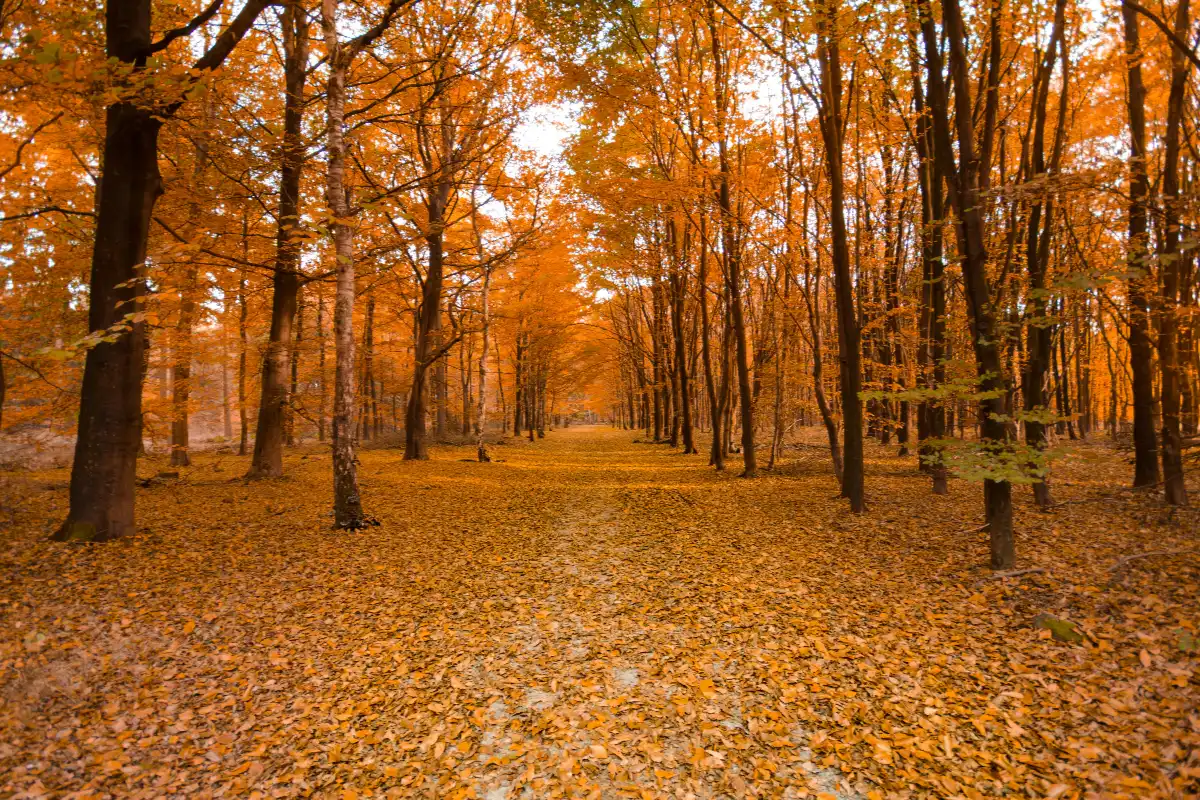
Planting wildflower seeds in the fall is widely regarded by expert gardeners as superior to planting in spring. This is because sowing in this season mimics nature’s cycle of scattering seeds once summer ends, and fall is the ideal window for dormant seeding.
Benefits of Fall Sowing
Planting in the fall enables perennial seeds to settle into the soil and establish a strong root system before winter dormancy.
By the time spring arrives, these plants are ready to grow instantly, often resulting in blooms several weeks earlier than spring-planted seeds. Furthermore, fall planting helps reduce weed competition, as most weeds have ceased growing for the season.
Natural Cold Stratification
Planting in fall takes advantage of this natural process. Many native wildflowers require natural cold stratification, a period of cold, moist conditions over winter, to break their hard seed coats and break dormancy.
Planting in this season exposes seeds to the necessary freezing and thawing, leading to higher germination rates in the spring.
Timing Windows by Climate
Timing a fall planting is not about early September; it is about dormant seeding. The goal is to get the seeds into the ground when it is cold enough that they won’t sprout, but before the ground is frozen solid.
- Cold Climates (Zones 1-6): Late fall is best, after killing frosts when the ground is cold (below 50°F) to prevent premature germination.
- Warm Climates (Zones 7-10): Early to mid-fall is ideal, allowing at least eight weeks before the first frost for seedlings to establish, or winter sowing for rainy seasons.
Fall vs Spring Wildflower Planting
While spring planting requires frequent watering to establish seedlings, fall planting relies on natural rainfall, making it more resilient and lower maintenance.
In comparing fall vs spring wildflower planting, fall is better for ensuring perennial seeds break dormancy, whereas spring is better for quick-blooming, non-native annuals that cannot withstand heavy freezing.
Regardless of when you plant, do not bury the seeds. Most wildflower seeds require light to germinate, so they should be scattered on top of the soil by a garden rake and merely pressed in.
Planting Wildflower Seeds by Region
Northern and Cold Climates (Zones 1–6)
In areas with harsh winters, such as zones 1-6, the goal is to prevent early germination that could kill seedlings.
The best time to plant is early spring. Immediately after the last frost, once the soil has warmed to at least 55°F, is ideal. Alternatively, dormant planting in late fall allows seeds to lie dormant and germinate naturally in early spring.
Perennials, such as Black-eyed Susans and Purple Coneflower, thrive with fall planting because they require the winter freeze to break dormancy.
If you are planting annuals for quick color, wait until late spring when the soil has warmed to at least 55°F to ensure they don’t rot in the cold, damp earth.
Temperate Regions (Zones 5–8)
Temperate zones offer flexible, extended planting windows. Fall (September to October) is the best time for a lower-maintenance approach, as it allows seeds to benefit from consistent soil moisture and cooler temperatures, thereby reducing weed competition. Spring planting (March–May) is also highly effective.
As a result of this flexibility, temperate regions are perfect for all-in-one mixed wildflower seed blends. You can utilize custom mixes containing both annuals and perennials to ensure first-year color from fast-growing annuals, followed by robust, long-lasting blooms from perennials in subsequent years.
Southern and Warm Climates (Zones 7–11)
Fall (September to November) is the best time to plant in this region to avoid heat stress. In the South, the biggest threat to planting wildflowers by region is not the cold, but the crushing heat and humidity of summer.
So, gardeners must focus on avoiding the peak summer months. If seeds sprout in late spring, they will likely be scorched by July before their roots are deep enough to find moisture. However, planting in the fall enables the wildflower to establish during the mild, rainy winter.
Winter and early spring are also effective, but seeding should happen early enough to allow roots to grow before summer heat waves.
Dry and Arid Regions (Zones 5–10)
Water is the deciding factor here. So, gardeners should plant wildflowers during periods that coincide with natural rainfall cycles to ensure success.
Hence, the best time to plant is just before the rainy season, when moisture helps with germination and establishment. In many dry, arid regions, this occurs during late fall or early winter.
When planting, gardeners should focus on native drought-resistant seeds, such as California Poppies, Desert Marigold, and native sunflowers, which are adapted to survive low-moisture environments.
These native seeds are far more resilient to drought than standard commercial meadow mixes.
Native Wildflowers vs Non-Native Mixes
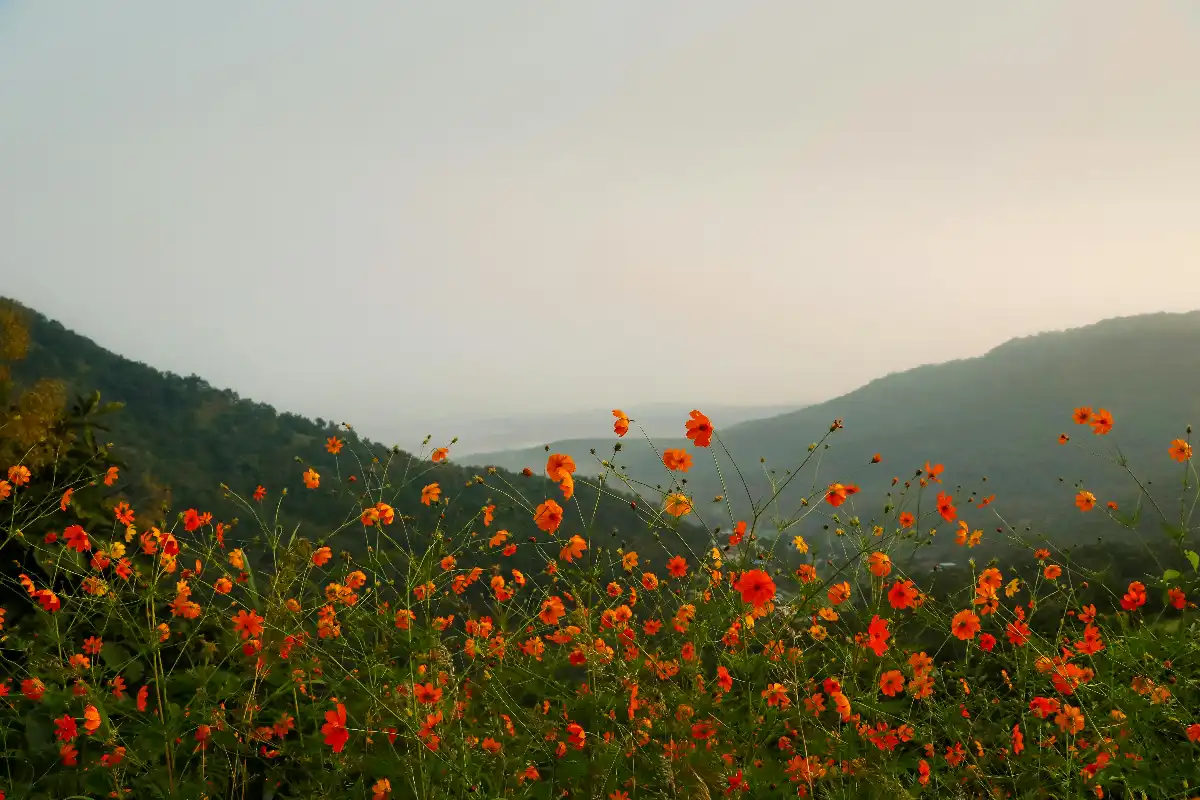
To grow a successful meadow, the choice between native wildflowers and non-native mixes is non-negotiable, as it determines whether you need a temporary display and a self-sustaining ecosystem.
Some non-native species may be ill-suited for your specific climate or soil chemistry, leading to a disappointing second year.
But why do native wildflower seeds perform better?
Natives perform better because they have adapted to local soil, moisture, and climate conditions over time. Most of the time, natives require significantly less water, no fertilizer, and are more resistant to local diseases and pests.
Also, native wildflowers have co-evolved with local pollinators, offering high-quality nectar and pollen that non-native wildflowers cannot.
In contrast, non-natives often require high maintenance and can sometimes become invasive, outcompeting local flora.
Another key advantage of using native wildflower species is their naturalized bloom cycle. Most non-native mixes are heavy on annuals that provide a massive burst of color in the first year but die off and fail to return.
However, a well-designed native mix includes annuals, biennials, and perennials that stagger their blooming times, providing food for insects from early spring through autumn.
Rather than dying off, natives are highly effective at self-seeding. They have adapted to local climatic cues, ensuring they drop seeds that are properly stratified and ready to germinate the following season.
How to Prepare the Soil for Wildflower Seeds
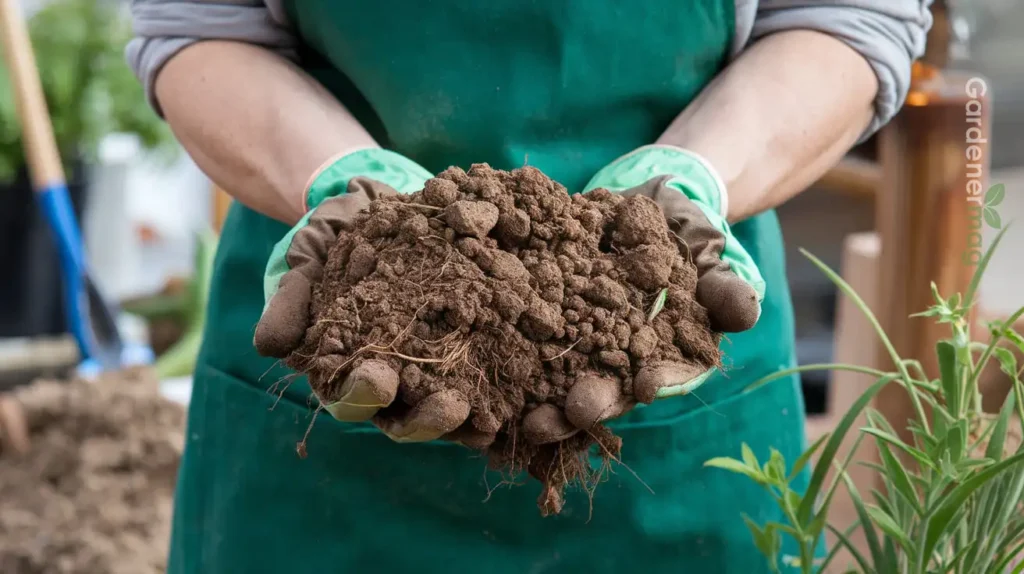
Preparing the soil for wildflower seeds primarily involves removing existing vegetation rather than adding nutrients or fertilizers. This is important because wildflowers, though hardy, cannot easily outcompete established turfgrass or aggressive weeds.
Follow the procedure below to prepare your soil for wildflower seeds:
Site selection and weed removal
Foremost, select an area that receives at least 6 hours of full sunlight daily for planting your wildflowers. The area must neither be too dry nor have heavy, waterlogged soil
As wildflower seeds cannot compete with existing grass or tough perennial weeds, it is critical to remove existing vegetation.
- Remove all existing turf, as grass will quickly choke out young wildflowers.
- Cover the area with black plastic, mulch-covered cardboard, or UV-stabilized tarps for several weeks to kill weeds naturally through solarization.
- Cultivate the soil, then wait two to three weeks for weeds to sprout. Then, kill the weeds before planting.
If you skip these steps, your wildflowers will likely be choked out by grass within their first season.
Light soil preparation vs. tilling
We recommend light soil preparation. Rake the top 2cm to 3cm of soil to remove dead, surface-level vegetation and create a fine, crumbly surface.
If possible, avoid tilling. Only till if the soil is heavily compacted, and when tilling, avoid deep tilling but keep it shallow, like 2in. to 3in. Deep tilling can bring dormant weed seeds to the surface, create a too-fertile environment, or both.
The goal is to create just enough loose soil for the seeds to make direct contact without being buried deep in the earth.
Most people believe that wildflowers need rich soil to survive and thrive. This is actually a myth. Contrary to popular belief, wildflowers thrive in poor, low-nutrient soil.
Adding compost or fertilizer will only encourage aggressive grass and leafy weed growth to outcompete your wildflowers. This will cause the wildflowers to become leggy and flop over.
In fact, if the area you chose to grow wildflowers is highly fertile, you might need to remove the topsoil to reduce nutrients.
How to Plant Wildflower Seeds Correctly

Once your soil is prepared, the next step is planting your wildflower seeds, which often requires a light touch. Unlike vegetable gardening, wildflower seeds do not need to be buried in deep trenches. Instead, the seeds should be planted in a way that mimics the wind and the wandering of animals.
This section explains how to plant wildflower seeds naturally.
Seeding rates and spacing
A common mistake most gardeners make is overcrowding the meadow. Most wildflower mixes require only about 1lb. of seeds per 1,000 sq. ft. to 4,000 sq. ft., depending on the species.
This rate ensures a dense, managed look meadow that prevents grass dominance and allows for natural spacing.
If you sow too thickly, the seedlings will compete for moisture and nutrients, resulting in stunted growth.
To prevent clumping, ensure an even spread, and allow proper spacing, we recommend mixing the seeds with a carrier, such as sand, perlite, or vermiculite, in a 4:1 ratio of carrier to seeds.
Broadcasting vs. row planting
Wildflower seeds should be broadcast and not planted in rows. This method is ideal for a natural, meadow-like appearance.
Broadcasting involves scattering the seeds evenly across the soil surface. Once broadcast, do not cover them with sand to bury them. Most wildflower seeds are light-sensitive and need to be on or near the surface to sprout.
Instead, lightly rake the area and compress the seeds into the soil by simply walking over them or by using a water-filled roller to press them firmly into the earth. This ensures good seed-to-soil contact without blocking sunlight.
Watering after planting
If they’re fall-sown seeds, nature will handle the moisture. However, for spring-sown seeds, consistent moisture is key. You need to keep the area damp, not waterlogged, for the first four to six weeks.
Once the seeds have sprouted and the plants reach about 3in. in height, they can rely on natural rainfall as they are now hardy enough.
Common Mistakes That Reduce Wildflower Germination

Even with the best intentions, you may not be able to achieve a vibrant wildflower meadow due to some common mistakes.
These easily-made mistakes can severely reduce germination rates and prevent your meadow from ever taking root. Common mistakes that reduce wildflower germination include:
Planting too deep: This is the most common pitfall among newbie gardeners. Many wildflower seeds require light to germinate and should be kept on the surface.
Burying them too deep in the soil or under mulch prevents them from reaching the surface before they exhaust their energy. They will either remain dormant and eventually rot.
The ideal method is to spread the seeds on the soil surface and only lightly rake them, ensuring they are no deeper than 1/8 to 1/4 inch.
Overwatering or poor timing: While most wildflower seeds need moisture to sprout, overwatering the soil can cause them to rot or have a fungal infection. Also, overwatering can wash the seeds away or bury them too deeply.
Similarly, poor timing, such as planting in extreme heat or when temperatures are too cold, can prevent proper germination. Planting them also before a torrential downpour can result in seeds being washed away entirely.
Using non-adapted seed mixes: Selecting a seed mix that is not adapted to the local climate, soil type, or soil pH can lead to low, inconsistent, or failed germination.
Some non-native species often cannot withstand local conditions, resulting in poor meadow establishment as the plants struggle to survive.
Using a high-quality, regionally appropriate mix ensures that the wildflowers adapt to your local area’s specific rainfall, temperatures, and soil, significantly increasing success.
Wildflower Meadow Planting Tips
Here are some top tips for wildflower meadow planting:
Establish a successful wildflower meadow by choosing a low-nutrient spot that receives four or more hours of sun daily.
- Sow seeds in fall or early spring, depending on the seed types you have. We recommend sowing in the fall for best results, as this provides the cold stratification necessary for many species.
- Aim for 1lb. of seeds per 1,000 sq. ft. to 4,000 sq. ft., depending on the species, to avoid overcrowding.
- During soil preparation, ensure thorough weed removal; when planting, create excellent seed-to-soil contact without covering the seeds, and avoid fertilizers to prevent grass takeover.
- Water well initially, and plant perennials for long-term growth.
Scaling up from a small garden bed of meadow to a larger area follows similar soil preparation. Use custom mixes containing both annuals, biennials, and perennials to ensure first-year color from fast-growing annuals, followed by robust, long-lasting blooms from biennials and perennials in subsequent years.
Instead of hand-scattering, consider using a hand-cranked broadcast spreader to ensure an even distribution across the acreage. To keep track of your progress, use a carrier such as sand or sawdust mixed with the seed so you can visually confirm coverage in the soil.
Care in First Year
In the first year, your primary goal should be to prevent weeds and aggressive grass from establishing. So, regularly mow the area to a height of 6in. to 8in. a few times during the first summer to keep weeds in check. Remove all cut material to avoid adding nutrients back into the soil.
For long-term reseeding, cut established meadows in late summer/early autumn (post-flowering) and once in early spring.
Leave the hay on the soil for a few days to shed seed naturally, then rake it off. This will help distribute the seeds and clear the path for the next generation of blooms.
Final Thoughts — Choosing the Best Time to Plant Wildflower Seeds
Choosing the right time to plant your wildflowers is the first step toward a thriving, low-maintenance meadow. For successful wildflower seed germination, match your planting schedule to your local climate rather than a calendar date.
In colder regions, fall planting allows seeds to undergo the necessary cold-stratification process, ensuring early germination in spring. In areas with harsh summers, early spring planting allows seedlings to establish before intense heat.
Above all, approach wildflower gardening with patience and realistic expectations. While annuals may offer immediate color, many perennials focus solely on root development in the first year, meaning a full, vibrant bloom may not arrive until the second season.
If you provide the right start at the right time, your meadow will reward you with a self-sustaining display of beauty for years to come.
Finally, when you respect local weather patterns and garden with patience, you’ll enjoy a resilient, self-sustaining wildflower display for years to come.
To get started, here are the 6 Best Flower Plants For Your Home Garden in 2026.
Frequently Asked Questions (FAQs)
The best months to plant wildflower seeds are September to October (early fall) or March to May (early spring). Fall is generally superior because it allows seeds to experience cold, breaking dormancy and improving germination, while spring works well for annuals, providing warmth and moisture to establish before summer.
Yes, you can plant wildflower seeds in summer, but it requires diligent care to keep the soil consistently moist so they don’t dry out in the heat. While spring or fall are ideal, planting in summer works best for fast-growing annuals, such as Sunflowers, Cosmos, and Zinnias.
Yes, many native wildflower seeds require cold stratification to break dormancy and germinate, mimicking winter conditions. Though this is not necessary for all wildflowers, it’s critical for perennials, such as Black-Eyed Susan, Coneflower, and Milkweed.
Wildflower seeds typically take 1 to 4 weeks to germinate, though some species may take up to 8 weeks or longer, depending on conditions. Germination speed depends largely on soil temperature, consistent moisture, and specific dormancy requirements.
This depends on whether they’re annuals or perennials. Perennials come back every year on their own while annuals die off after one season.