
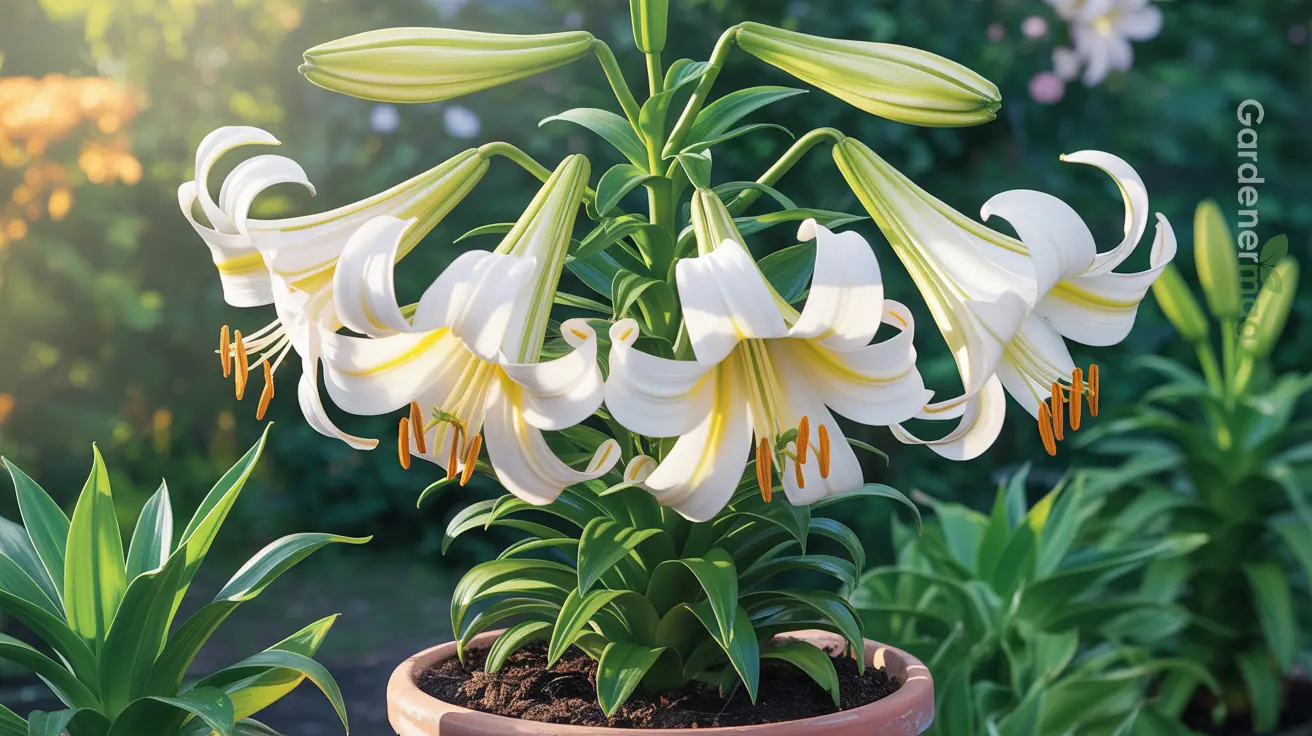

The Trumpet Lily plant (Lilium sulphureum), well-known for its striking and vibrant blossoms, makes a great addition to summer gardens.
Trumpet Lily plants generally require moderate care requirements. However, for optimal growth and bloom production, you need to master temperature management techniques for Trumpet Lily.
In this post, you will learn the ideal temperature range for Trumpet Lily. You will also learn about how to plant and care for the plant. Read on!
Best Temperature Range for Trumpet Lilies
Trumpet Lilies have a stately appearance and emit a heavy, sweet fragrance that makes them impressive and elegant in any garden. These perennial plants come in different varieties with different heights and flower colors.
Some lily species include Lilium regale (Regal Lily, Royal Lily), Lilium longiflorum (Easter Lily), Lilium sulphureum (Trumpet Lily), Lilium polyphyllum (Himalayan White Lily), Taiwan Lily, Sulphur Lily, and so on.
Their huge, waxy trumpet-shaped flowers come in various colors, including white, pink, gold, yellow, plum, and apricot. The flowers have dramatic maroon petals and can grow to about 6in to 10in long.
Under ideal conditions, Trumpet Lilies can grow up to 1ft to 8ft tall and have a beautiful perfume. Lilies are primarily outdoor plants. Don’t plant them indoors unless you have a provision for grow lights.
Now, let’s talk about the ideal temperature range for the Trumpet Lily plant.
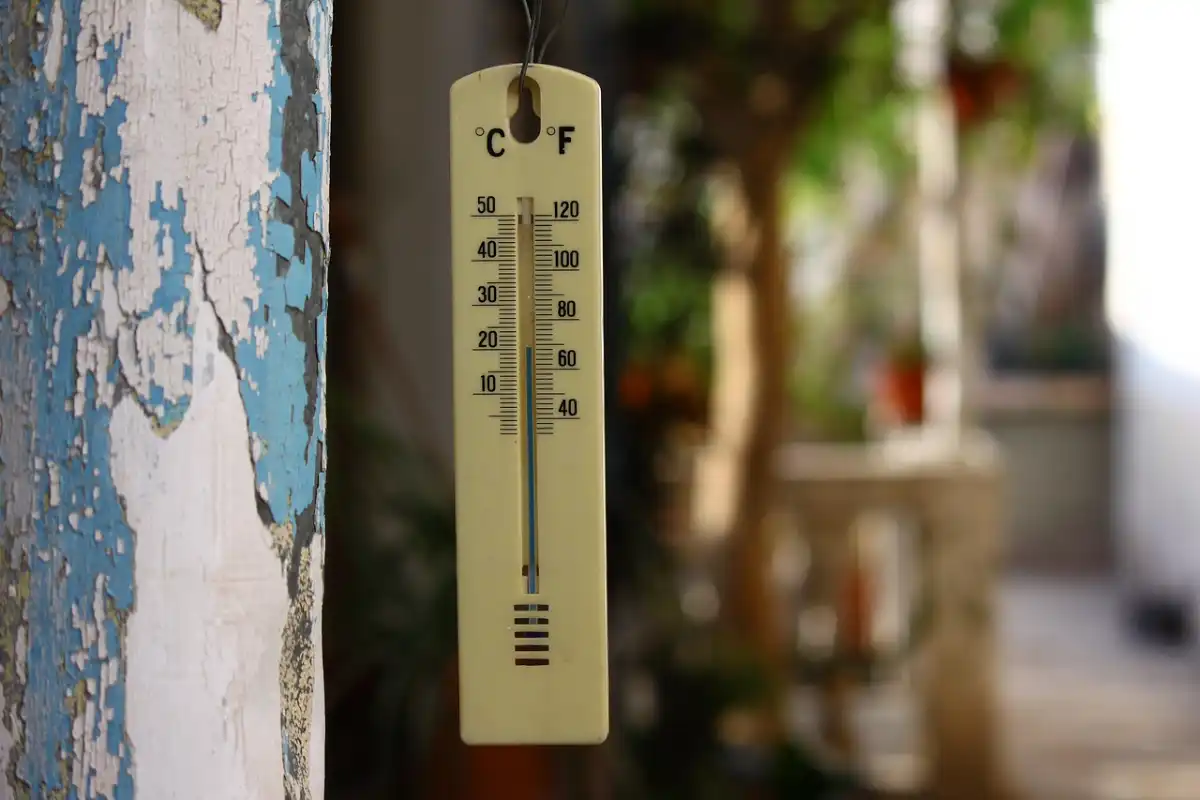
Trumpet Lilies prefer temperatures ranging from 41°F to 77°F (5°C to 25℃). However, the ideal temperature range for Trumpet Lily is 60°F to 75°F (15°C to 24°C).
Generally, Trumpet Lilies are highly cold-tolerant and native to cool temperate regions. They also exhibit notable temperature tolerance and can sometimes endure high cold temperatures and high heat temperatures.
This high tolerance enables the plant to thrive in various climatic conditions. Nevertheless, extreme temperatures can lead to stress and damage. Hence, you would need to make some adjustments during winter or summer to keep Trumpet Lilies within the ideal temperature range.
Trumpet Lily and Extreme Temperatures
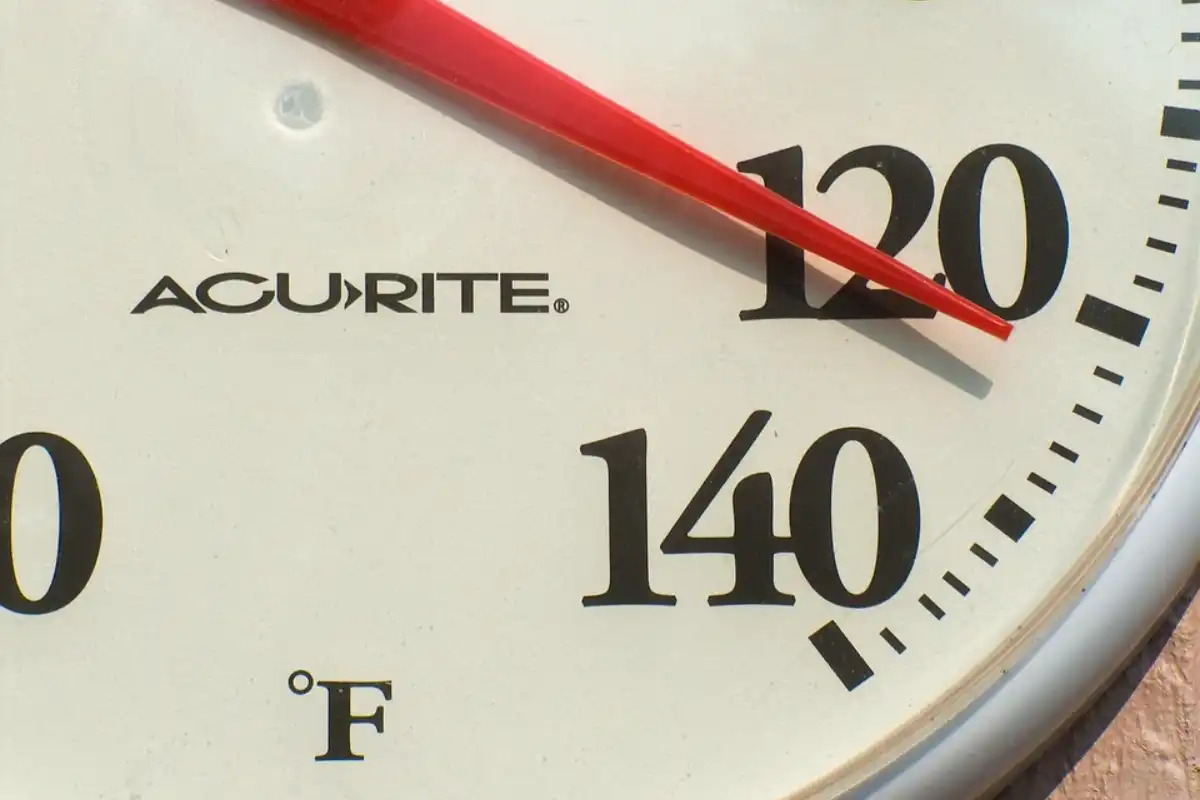
Impact of Low Temperature on Trumpet Lily
As mentioned earlier, Trumpet Lily plants can withstand cold weather but not extreme cold temperatures. Winter temperatures below 41°F (5°C) can trigger negative changes within the plant.
These changes may not be so noticeable and may result in a decrease in sprouting or no sprouting at all during spring.
Extreme cold temperatures can significantly impact flowering. Hence, when temperatures drop too low, expect delayed flowering or reduced flower quality.
Other symptoms of freezing temperatures include stunted growth, wilting, and yellowing or browning of leaves.
Mulching and/or indoor relocation are some likely solutions in this situation. You can read up here on how to protect plants from frost and freeze in winter.
Impact of High Temperature on Trumpet Lily
High summer temperatures above 77°F (25°C) will inhibit growth. At these temperature ranges, the Trumpet Lily plant will stop growing and become susceptible to rot.
Other signs of extreme heat include reduced vigor, drooping, yellowing leaves, leaf scorch, premature wilting, and eventual death.
Likely solutions include shading, increased watering, and so on.
By understanding this ideal temperature range, you can help your Trumpet Lily plants flourish all year round.
Temperature Management Techniques for Trumpet Lily
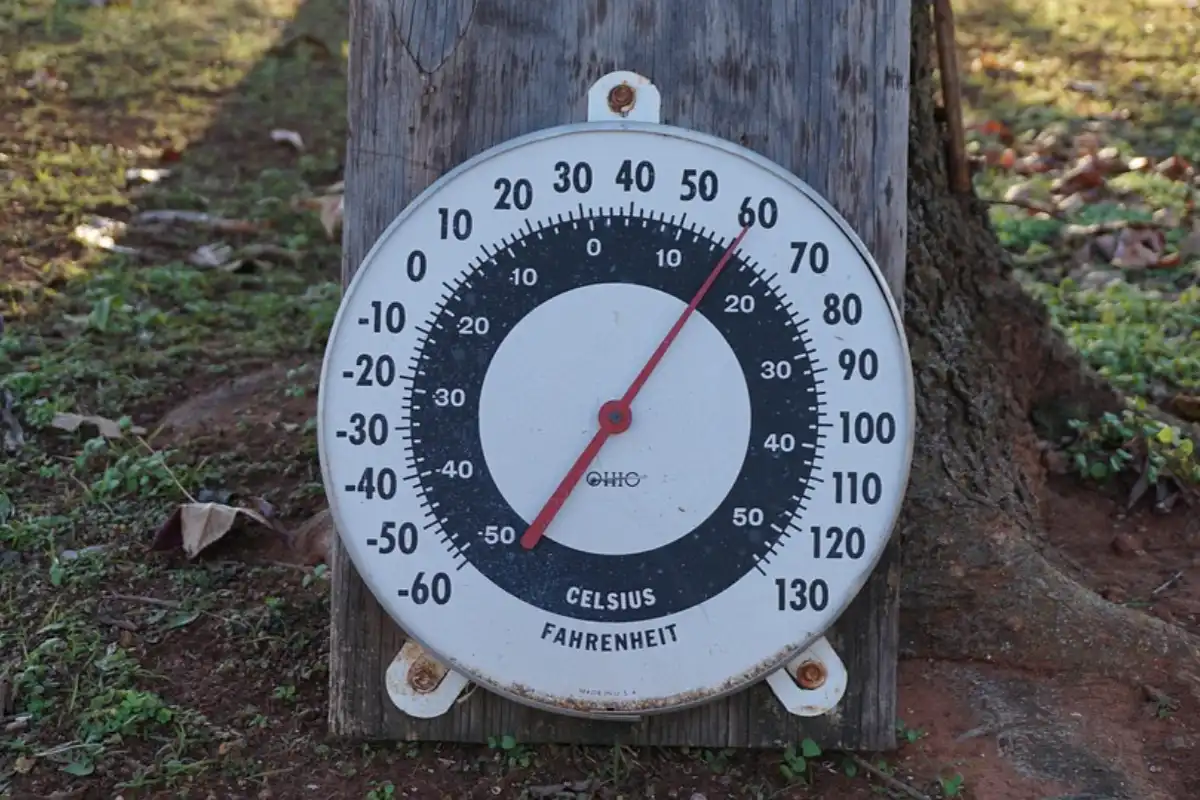
Here are some important temperature management techniques for Trumpet Lily:
Regulate the Temperature:
One way to ensure your Trumpet Lily thrives is to regulate the plant’s temperature. You can achieve this by planting the lily bulbs in the correct depth. This tip works for new Lily plants.
When planting, place the bulbs deep enough into the soil. This insulates the plant against temperature extremes.
Your watering practice also plays a significant role in temperature management. Keep the soil consistently moist to regulate temperature and support healthy plant growth.
Apply Mulch
Mulch creates a stable environment for your Trumpet Lily plants. It helps protect your plants from temperature stress by retaining soil moisture and moderating temperature fluctuations.
Mulching enriches the soil over time, leading to healthier flowers and a more vibrant garden. We recommend an organic mulch for your Lilies.
Applying any or both of the temperature management techniques above can help create an optimal environment for your Trumpet Lily plants to flourish.
How to Water Trumpet Lily?
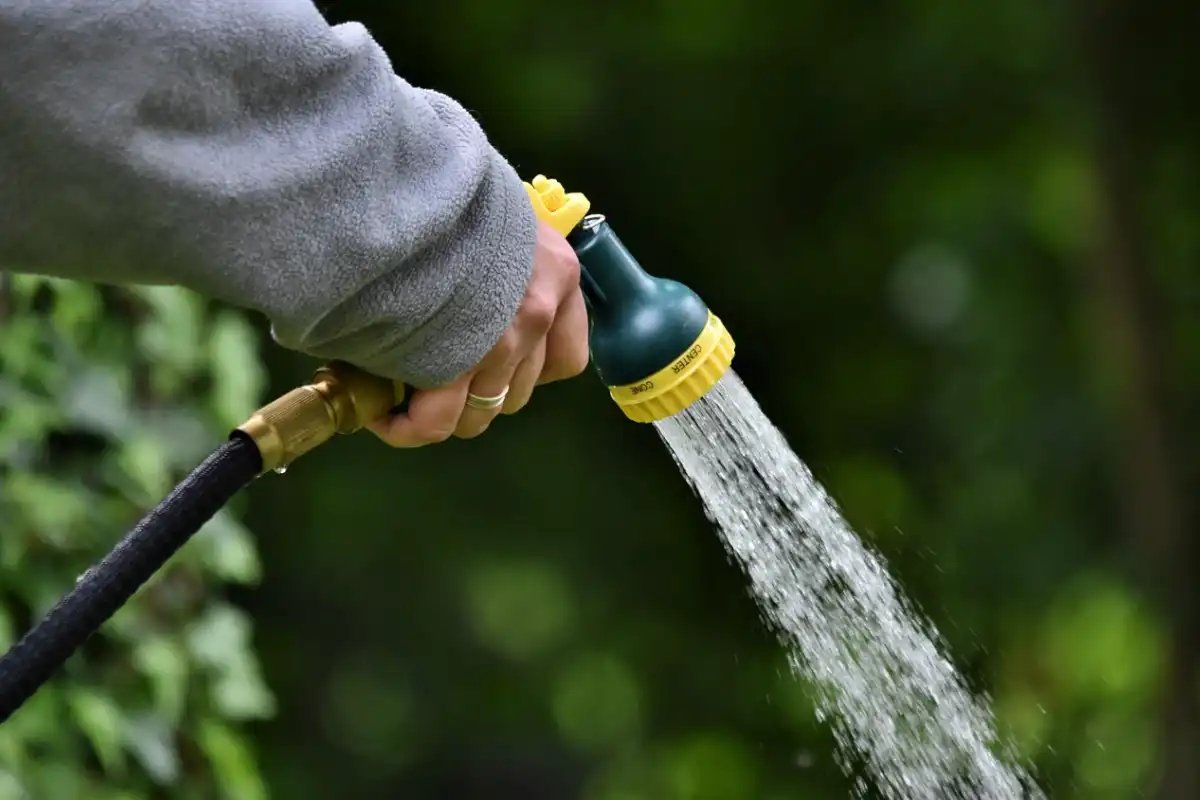
Trumpet Lily thrives in humid environments and prefers well-hydrated soil. Although the plant can withstand a brief period of dryness, watering it every week will help it maintain its vigor.
Watering will also ensure the plant roots receive adequate moisture and nutrients for proper growth.
We recommend using clean, slightly warm water to water your Trumpet Lily. You can use water at room temperature or set up a DIY solar water heater to warm up the water, especially in the cold season.
If possible, filter the tap water before use, as it may contain harmful particles.
When watering, target the soil and avoid overhead watering, as this may impact the foliage.
Sunlight Requirements for Trumpet Lily?

While Trumpet Lily can tolerate partial sunlight, it thrives well in full sunlight. It needs full sun to optimize its health, growth, and flowering capabilities.
Ideally, Trumpet Lilies require at least six hours of direct sunlight every day. Any deviation from this requirement will eventually impact the plant’s vigor and lead to fewer flowers or reduced flower size.
The Best Soil for Trumpet Lily?
Trumpet Lily plants prefer loose, well-fertilized garden soil. The soil should be slightly acidic (pH of 6 to 6.5) and rich in organic matter.
Please note that planting lilies repeatedly in the same place may significantly reduce the quality and quantity of the flowers. Therefore, grow your lily plants in well-drained, sandy-loam soil where lilies have not been planted before.
Fertilizer Requirements for Trumpet Lily?
Any well-balanced nutrition fertilizer with equal NPK ratios, such as NPK 15-15-15, is good. You can apply fertilizers with a higher phosphorus (P) ratio to bolster blooming.
Apply fertilizer every month during the plant’s active growth in spring and summer. This will ensure robust health, prolific blooms, and vibrant growth.
Stop fertilizing in fall and winter. Apply the recommended fertilizer dosage or less to avoid nutrient burn – avoid over-fertilization.
After applying the fertilizer, water the plant thoroughly to protect the root and aid nutrient absorption.
Now, you know the best temperature range for your trumpet lily plant. Subjecting the plant to the right temperature range will help it thrive and stay vibrant.
Frequently Asked Questions (FAQs)
The temperature range of 65℉ to 75℉(18C to 25℃) is ideal for Trumpet Lily’s optimal growth. Although the plant can withstand slightly lower and higher temperatures, the abovementioned temperatures are crucial for its health. Trumpet Lily tends to thrive better in lower temperatures than in higher temperatures. Hence, it is important to avoid exposing the plant to prolonged high temperatures as this may lead to slow growth or potential plant death.
The best-growing conditions for Trumpet Lilies are sandy-loam soil, excellent drainage, full sunlight exposure (6 hours daily), occasional fertilizing, and regular watering (no over-watering). Once you meet these conditions, expect prolific blooms and vibrant growth.