


Substrates for aquarium plants are the materials at the bottom of a tank that serve as the base for plant growth. It is the solid foundation for your aquatic plants. However, it is quite tricky to find the best substrate for aquarium plants but let’s start.
- Why Substrate Matters in a Planted Aquarium?
- Types of Aquarium Substrates for Plants
- Best Substrate for Aquarium Plants and Shrimp
- How to Layer Substrate in a Planted Aquarium
- How to Make Substrate for Planted Aquarium (DIY Options)
- Maintenance and Care Tips
- Common Mistakes to Avoid
- Best Aquarium Substrate Brands (2025 Picks)
- Final Thoughts – Choosing What Works for Your Tank
- Frequently Asked Questions (FAQs)
At that, choosing the right substrate is key to plant growth, root health, and water balance. The right substrate provides nutrients, anchors roots, and supports beneficial bacteria for healthy plant growth.
In this comprehensive guide, we will explore the different types of substrates, such as soil, clay, and gravel-based, exploring their individual benefits.
We will also explore the pros and cons of each substrate type and give some product recommendations. This will help you determine the best substrate for aquarium plants.
Why Substrate Matters in a Planted Aquarium?
Before delving into the different types of substrate available, it is vital to understand why substrate matters in a planted aquarium.
The roles of aquarium substrates for live plants go beyond aesthetics or just being a base layer for plant growth. Substrates are essential for plant vitality and overall aquarium stability. Here are some key roles of substrate for aquarium plants:
Nutrient delivery: Some specialized substrates are often rich in essential nutrients, such as Nitrogen, Phosphorus, and Iron. These nutrient-rich substrates slowly release their nutrients directly to plant roots, facilitating vibrant coloration and robust growth.
Even inert substrates like gravel and sand promote nutrient sequestration from fish wastes and the water column, storing them in sediment. This nutrient-rich sediment is made available to plant roots.
Oxygen flow (Aeration): This is where the substrate’s physical properties matter. The particle size, composition, and porosity of the substrate influence oxygen flow and water circulation within the substrate.
The porous structure creates the necessary internal pathways for oxygen and water to reach and penetrate roots and beneficial microbes. It also allows metabolic byproducts, such as carbon dioxide, to escape.
Also, a porous substrate prevents the formation of anaerobic pockets, which can produce toxic compounds, such as Hydrogen Sulfide. Hydrogen Sulfide is harmful to plant roots.
Root anchoring: Substrates aid plant stability by providing the physical support roots need to anchor securely. The stability enables the plants to establish themselves without lodging or being uprooted by water currents or fish.
Habitat creation: Most aquarium soil substrates are designed to naturally soften and buffer water, lowering pH and carbonate hardness. This process mimics the habitat conditions preferred by certain fish, shrimps, and aquatic plants.
Generally, substrates affect the well-being of your Aquarium inhabitants. For instance, Shrimp thrive on finer aquarium soil substrates, which offer safe foraging ground and a high surface area for beneficial biofilm.
Bottom-dwelling fishes prefer fine soil and smooth sand that won’t damage their sensitive barbels.
Types of Aquarium Substrates for Plants
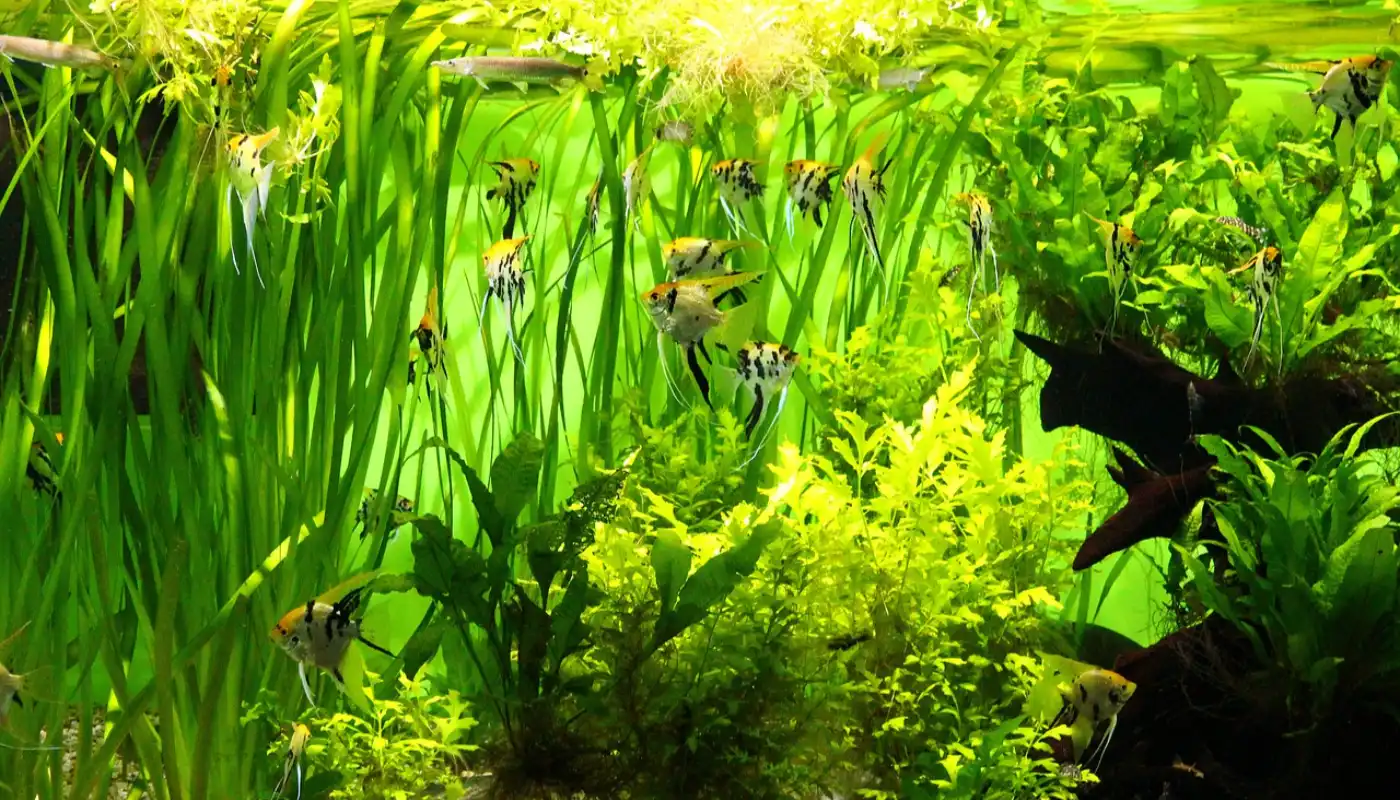
Now you’ve seen that substrates are far more than just decoration, but form the foundation of a healthy aquatic ecosystem.
Let’s delve into the different types of substrate available:
1. Soil-Based Substrates
Soil-based substrates are nutrient-rich and more suited for aquariums with heavy root feeders like Cryptocoryne and Amazon Swords. They are typically composed of baked/fired clay or natural soil that has been baked into small hard granules to prevent muddiness.
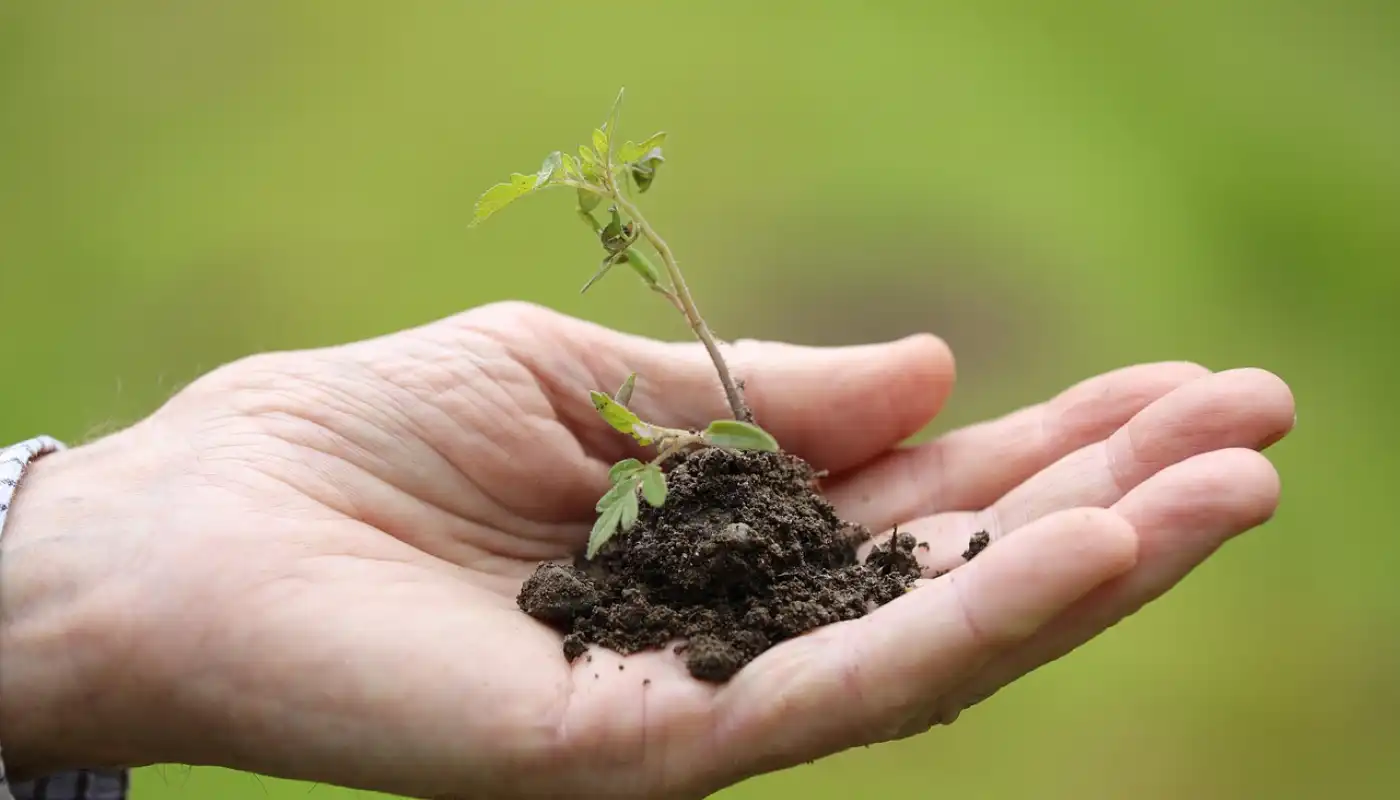
Most soil-based substrates are rich in organic matter, ammonia, and other nutrients, which promote lush plant growth.
This substrate type has ample pore space, which prevents compaction and excessive anaerobic conditions. Their porosity also offers an excellent platform for bacterial colonisation.
Soil-based substrates have a high Cation Exchange Capacity (CEC). That means they can easily absorb nutrients and minerals from the water column and make them available to the roots. This quality makes this substrate type ideal for absorbing liquid fertilizers and fish waste.
Popular brands of soil-based substrates include ADA Aqua Soil, Tropica Aquarium Soil, Fluval Stratum, and Seachem Flourite. Carib Sea Eco-Complete Planted Aquarium Substrate is another excellent choice.
These brands are highly porous, pre-enriched basaltic volcanic soil that contains a comprehensive range of trace elements, nutrients, and minerals to improve plant growth.
However, soil-based substrates can be expensive, especially for large aquariums. They can become muddy and cloud the water if not handled carefully. Also, they will break down over time (usually within 1 to 2 years), losing their structure and buffering capacity.
2. Clay-Based Substrates
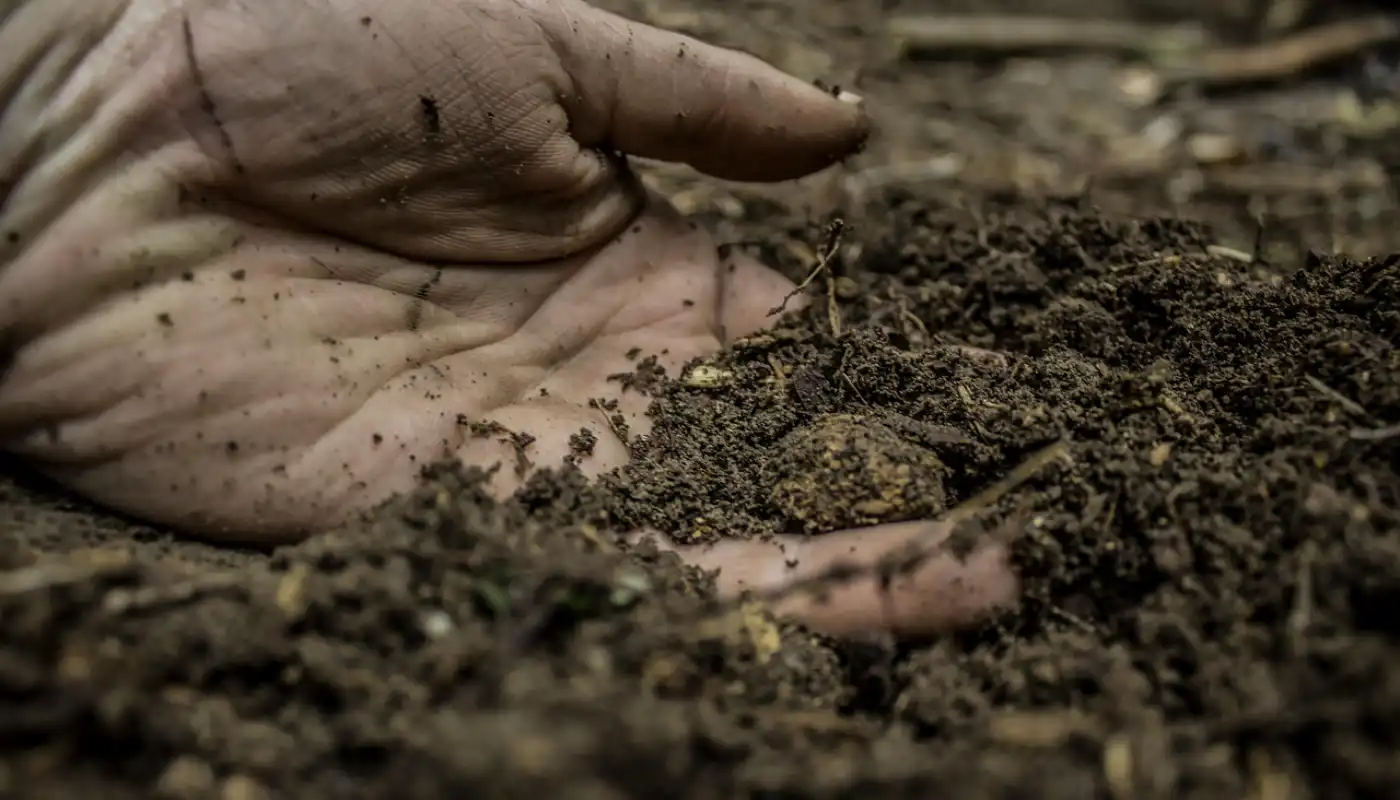
Aquarium clay substrates are well-known for their porous structure. This porosity promotes colonization by beneficial bacteria, supporting biological filtration and preventing the formation of harmful anaerobic pockets.
Also, the tiny pores are excellent for retaining water and nutrients, which are then released directly to plant roots.
The rough, porous surface of clay-based substrates provides a strong anchor for plant roots while improving water circulation within the substrate bed.
This substrate type is high in CEC, allowing it to hold onto nutrients and release them slowly to the plants.
Aquarium clay substrates may not be naturally enriched with nutrients like soil-based substrates, but they are more affordable, inert, porous, and long-lasting. These features make clay-based substrates a long-term, stable choice for aquarium plants.
Some soil-based substrates, such as Seachem Flourite, are basically calcined clay. Laterite is also an iron-rich clay commonly used as an aquarium clay substrate.
UNS Controsoil and Aquario NEO Soil are nutrient-rich, baked clay granules specifically designed to support plant growth. Aquavitro Aquasolum is better suited to certain shrimp tanks due to its high organic content, which can lower pH and soften water.
3. Gravel and Sand Mixes
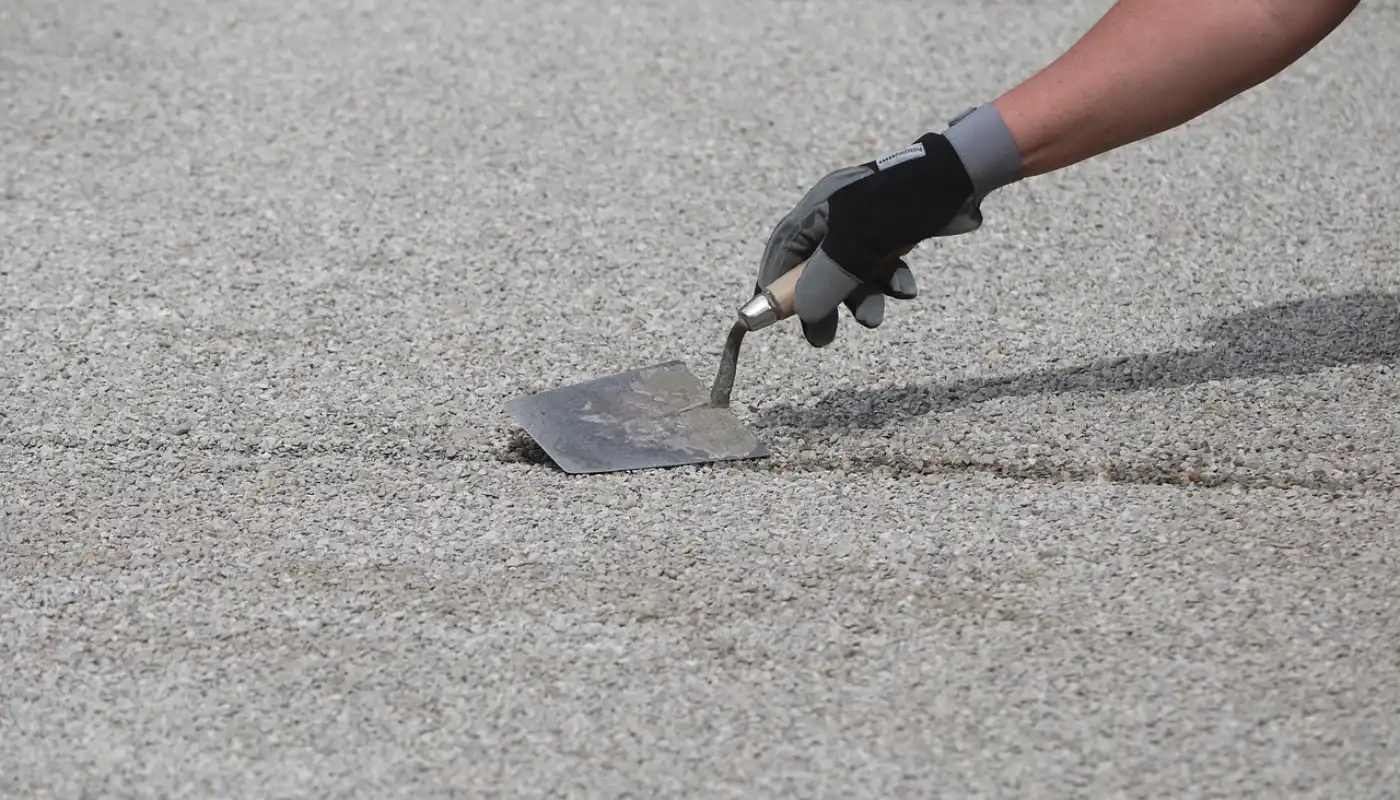
These are the most affordable of the three types of aquarium substrates for plants. They are stable, easily obtainable, easy to clean, and available in various colors and sizes.
Gravel and sand mixes look natural, provide ample surface area for beneficial bacteria, and are excellent for anchoring plants. However, some plants may find it harder to establish their roots.
These inert substrates are suitable for plants like Java Fern and Anubias, which primarily absorb minerals and nutrients from the water column.
Being largely inert, they offer good water circulation but little in terms of mineral and trace element content. Hence, they often need nutrient supplementation to support aquatic plants that feed heavily from their roots.
You may need to spread root tabs (small, concentrated fertilizer capsules) throughout the entire substrate layer during setup. Avoid evenly mixing root tabs into the substrate, as this makes them less targeted for the specific plants that need them most.
Alternatively, you can place a thin layer of nutrient-rich clay substrate or organic topsoil at the bottom of the tank, followed by a gravel-and-sand mix to create a layered “dirted” tank.
Following this arrangement seals the enriched layer and prevents nutrients from leaching into the water column.
We recommend choosing gravel with a grain size that is neither too large nor too fine. A grain size of 2mm to 4mm is generally recommended. Likewise, avoid very fine sand as it compacts easily.
Best Substrate for Aquarium Plants and Shrimp
This section details the best aquarium substrate for plants and shrimp, focusing on these two main aspects:
- Nutrient availability for plant roots, and
- Compatibility with shrimp.
Here are the 3 best options considering their benefits for both plants and shrimp:
Fluval Stratum
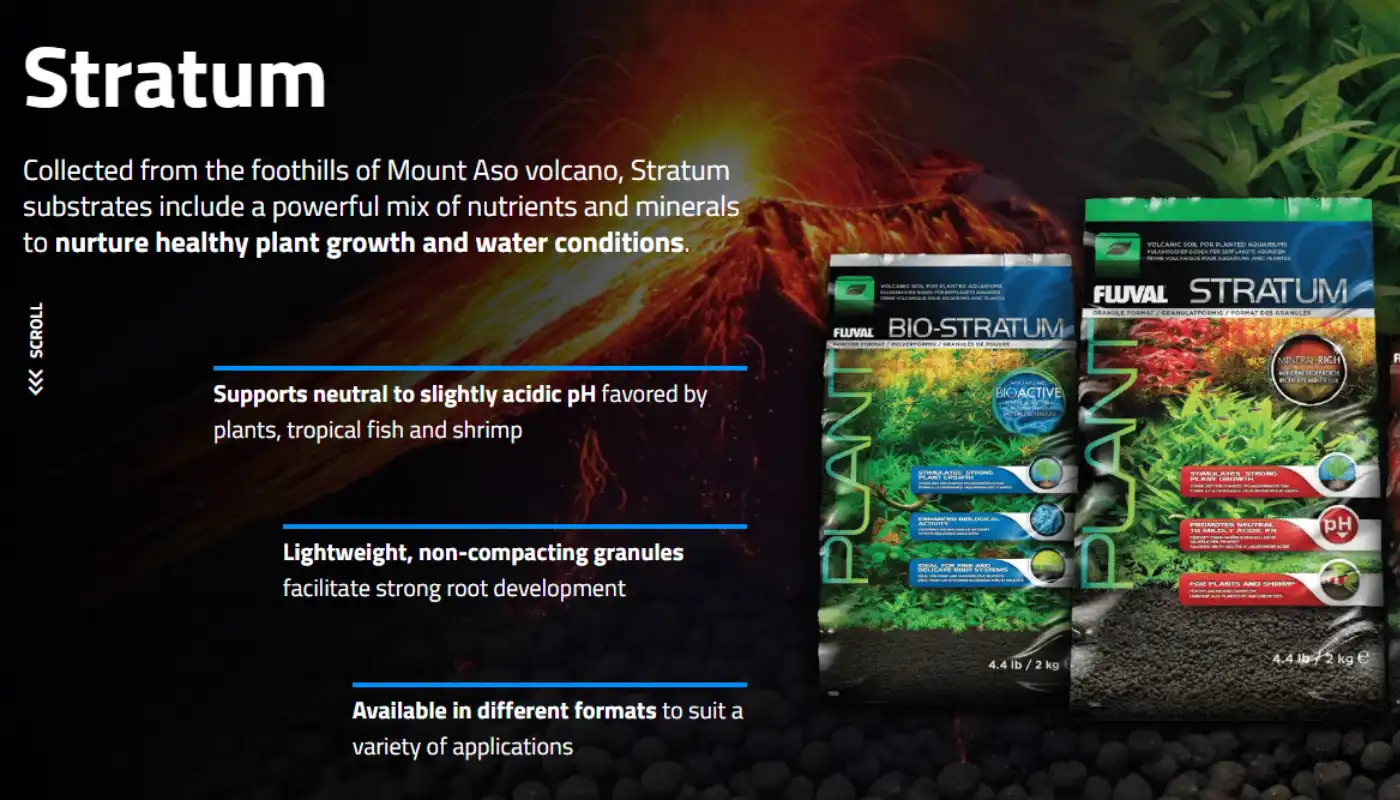
Fluval Stratum is one of the most popular solid and mineral-rich aquasoil substrates on the market. It is made from volcanic soil and is high in CEC, which supports plant growth.
It includes a powerful blend of nutrients and minerals to support healthy plant growth and optimal water conditions. Also, Fluval Stratum is affordable, widely available, and often marketed as a dedicated shrimp substrate.
Naturally, volcanic soil contains micronutrients and has a high CEC. This makes the substrate able to absorb, store, and release liquid fertilizers to plant roots. Its lightweight, non-compacting granules also facilitate strong root development.
Fluval Stratum has a granular, porous structure that provides a large surface area for the growth of beneficial bacteria and biofilm colonization. Both are vital for grazing shrimps.
This substrate also has a buffering effect. It creates a more acidic environment and lowers the pH (typically below 7.0) by releasing hydrogen ions into the water. Hence, Fluval Stratum is an excellent choice for Caridina shrimp species.
ADA Aqua Soil Amazonia
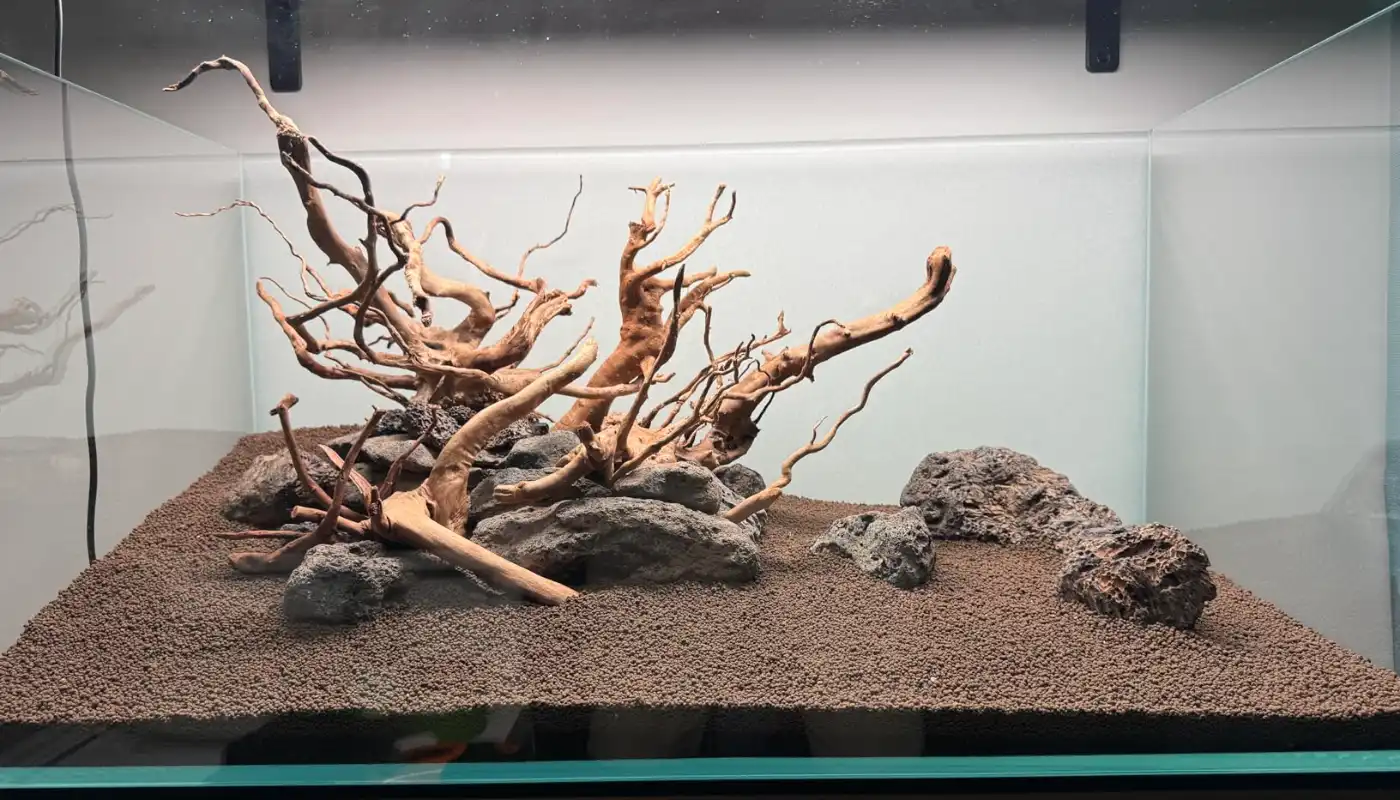
ADA Amazonia is among the most effective substrates for promoting the growth of aquatic plants and shrimp. It is made from natural black soil, which adds natural aesthetics to the tank or “aquascape.”
It contains organic compounds and humic acids that are beneficial to plant root development and fish health. ADA Amazonia is specifically designed to promote the rapid growth of aquatic plants by creating an ideal environment with soft water and a lowered pH.
It is highly nutrient-rich, promoting explosive plant growth from the start. Also, its high CEC ensures long-term nutrient storage.
The strong pH buffering capabilities make ADA Amazonia excellent for Caridina shrimp. It also has a rich, organic composition that promotes abundant biofilm.
However, ADA Amazonia releases a high level of ammonia into the aquarium initially, which can be toxic to shrimps. Hence, the substrate requires proper cycling with frequent water changes before adding fish or shrimp.
CaribSea Eco-Complete
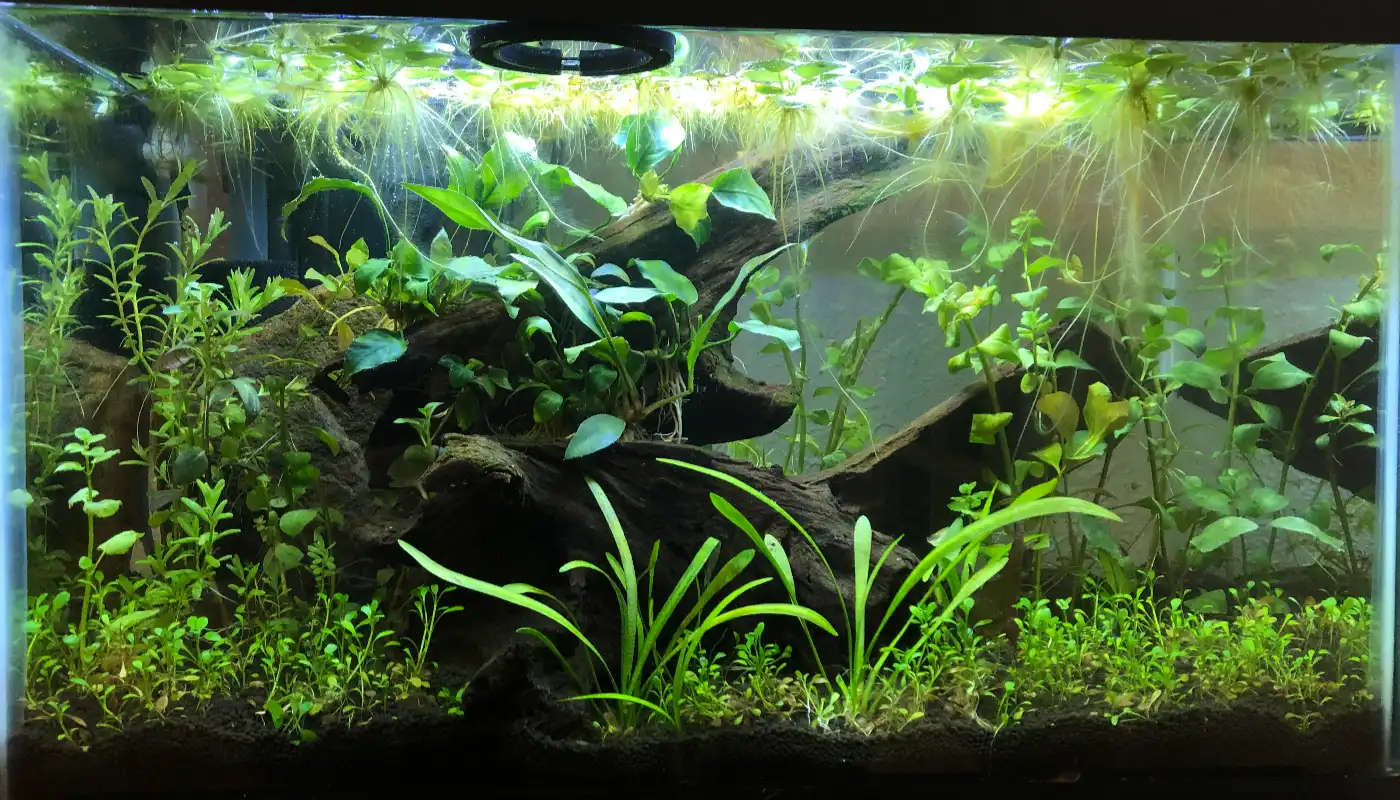
CaribSea Eco-Complete is made from nutrient-rich, volcanic soil that contains over 25 essential minerals, including iron, calcium, magnesium, potassium, and sulfur, to promote aquatic plants. The dark color adds aesthetics to the tank and enhances fish coloration.
It also includes live heterotrophic bacteria that convert fish waste into plant food. This process helps to establish a faster, safer biological cycle for new aquariums.
Being inert, CaribSea Eco-Complete doesn’t contain the same high-level nutrients as the two substrates mentioned above. Nevertheless, it has extremely porous biofilm-friendly surfaces for optimal root development and mineral uptake.
These biofilm-friendly surfaces also provide a larger area for beneficial bacteria and can store minerals and nutrients added via root tabs or other liquid fertilizers.
This substrate is free of artificial dyes and doesn’t contain nitrates or carbonates, so it doesn’t alter pH or carbonate hardness. This makes CaribSea Eco-Complete a safe and excellent choice for Neocaridina shrimp that thrive in neutral to slightly alkaline medium.
All three substrate options listed above have a porous structure and a high surface area that promote the colonization of beneficial bacteria and biofilms, both of which contribute to the health and vitality of your plant and shrimp.
| Substrate Option | Type | Primary Benefit for Shrimp | pH/Water Parameter Effect |
| 1. Fluval Stratum | Active Soil (Volcanic) | Porous structure; designed for shrimp | Lowers and buffers pH (ideal for Caridina) |
| 2. ADA Aqua Soil Amazonia | Active Soil (Rice Paddy) | High nutrients for lush plants; porous | Strongly lowers and buffers pH (ideal for Caridina) |
| 3. CaribSea Eco-Complete | Inert (Volcanic Basalt) | High porosity; naturally inert and safe | Neutral/Minimal pH change (ideal for Neocaridina) |
How to Layer Substrate in a Planted Aquarium
There are typically three standard methods of layering substrate in a planted aquarium. How you layer each substrate largely depends on its type.
How you layer substrates not only creates an aesthetically pleasing environment but also ensures the release of essential nutrients, promoting healthy, robust root growth.
Also, proper layering provides secure anchorage for aquatic plants, buffers the water, and prevents nutrient leaching.
Base Layer
This involves spreading a layer (1in. to 2in.) of nutrient-rich substrate across the bottom of the tank to provide essential macro- and micronutrients directly to the plant roots over the long term.
It is ideal for mineralized topsoil, laterite, or specialized nutrient-rich aquarium soils.
Substrates layered this way provide long-term, slow-release nutrients essential for deep root growth. They also create an anaerobic (low-oxygen) zone where beneficial bacteria thrive. It is advisable not to rinse this layer, as it removes vital dust-like nutrients.
Middle Layer
This layer typically acts as a buffer, holding the nutrients from the base layer in place. It also separates the base layer from the top layer and prevents nutrients from leaching into the water column.
It is ideal for inert sand, aqua soil, or a nutrient-rich clay-based substrate. Although optional, this layer is where most plant roots reside, benefiting from ample nutrients and a good growth medium.
Top Layer
This layer, usually 1in. to 2in. thick, serves two main purposes: capping and aesthetics.
Capping prevents fine particles and the nutrient-rich base layer from easily mixing with the water column, causing algae or nutrient spikes. For aesthetics, it provides a decorative finish for the tank.
It is ideal for decorative gravel, specific sand colors, or fine, smooth stones.
The substrate material, coupled with how it is layered in a planted aquarium, directly impacts how well your aquatic plants can grow and establish.
For instance, it ensures optimal root anchorage and stability, prevents compaction, promotes aeration, and promotes easy penetration of plant roots.
How to Make Substrate for Planted Aquarium (DIY Options)
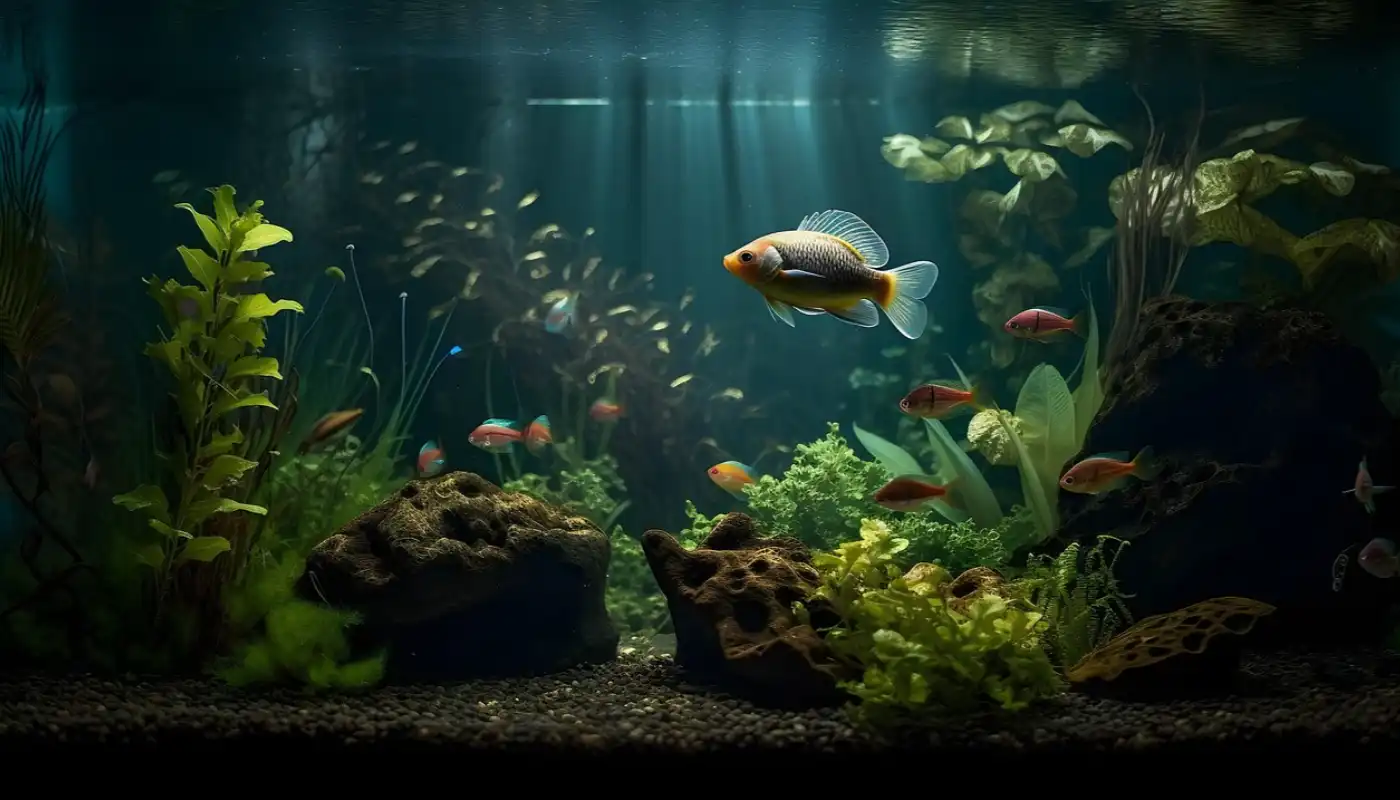
There are lots of commercial aquarium substrates that are easy to use for beginners. Also, there are do-it-yourself (DIY) options for those who can’t afford to pay the high prices of commercial brands.
Creating your own soil-based substrate for a planted aquarium is an affordable way to provide plants with rich nutrients. Here is a step-by-step guide on how to make substrate for a planted aquarium:
- Get some peat-based topsoil or organic potting soil. Ensure that the soil is free of added fertilizers.
- Sterilize the soil to eliminate unwanted bacteria or pests. Pour the sand on a baking tray and bake it at 150°C (300°F) for about one hour. This would effectively sterilize the soil, eliminating pests and bacteria.
- Add a small amount of red clay or laterite to the baked soil. Clay is high in CEC, and mixing a part of clay or laterite with five parts of soil is crucial to enable the DIY substrate to store and release nutrients like iron to the plant roots.
- Slightly wet the soil/clay mix until it’s damp but not muddy.
- Spread a layer (1in. to 2in.) of the damp soil/clay mix across the bottom of your empty tank as the nutrient-rich base layer.
- Gently cover the base layer with 1in. to 2in. layer of inert, fine-grained gravel or pool filter sand as capping. This capping prevents the base soil from mixing with the water column.
- Add water to your tank. The best water to add to your aquarium is purified water, such as reverse osmosis (RO) or deionized (DI) water. You can also use your tap water if it is already within the ideal pH and hardness range. However, tap water may contain trace amounts of chemicals with variable mineral content.
- Perform daily large water changes before adding fish to the tank. Typically, soil-based substrates will release ammonia into the aquarium, which can be toxic to your fish and shrimp. To prevent this, change about 50% to 70% of the tank water daily for the first week and monitor the ammonia levels closely until they hit zero.
Also, the initial nutrient spike in the substrate can promote algae growth. You can prevent this by planting the tank heavily from day one. Moreover, limit the duration of your tank’s exposure to light (photoperiod) to about six to eight hours until the tank is stable.
Maintenance and Care Tips
Maintaining the substrate in a planted aquarium is crucial for the health of your plants, fish, and shrimp, as well as for the overall stability of the aquatic ecosystem.
However, the type of maintenance culture to adopt depends heavily on the substrate you use. Here are essential maintenance and care tips for your aquarium substrates.
Replacing and Refreshing the Substrate
Active substrates release their nutrients gradually into the water and lose their nutrient-releasing capacity over 1 to 3 years. After this period, replacing the entire substrate can cause ammonia spikes, crashing the tank’s cycle. Instead, refresh them by:
- Dosing liquid fertilizers into the water column.
- Adding root tabs to replenish localized nutrients.
- Mixing in a small portion of new aquasoil (10% to 20%) during major replanting cycles.
Normally, inert substrates, such as sand and gravel, do not inherently contain nutrients. So, you don’t need to replace them for functionality, as long as you clean them regularly.
Replacing inert substrates is only necessary for aesthetic reasons or after severe contamination. Replace active substrates only when rescaping, when addressing persistent water-quality issues, or when the soil structure has completely broken down into mud.
Managing Detritus Buildup and Avoiding Compaction
Detritus is organic waste, such as dead plant matter, fish waste, and uneaten food that settles on the substrate.
While detritus may provide nutrients for plants, its accumulation can block light, suffocate delicate plants, promote rapid algae growth, and compact the substrate, leading to an unhealthy aquatic ecosystem.
To manage detritus:
- Ensure consistent water flow in the tank.
- Add fish and invertebrates that feed on detritus to the tank. Corydoras catfish, snails, and shrimp can naturally help manage detritus.
- For sand substrates, lightly stir or rake them every few weeks to prevent the formation of dangerous anaerobic pockets and accumulation of detritus.
- The best approach is to perform regular light cleaning (siphoning/vacuuming) weekly or bi-weekly during routine water changes.
During siphoning/vacuuming, you only want to clean the substrate surface to remove detritus. However, if not done carefully, you can damage sensitive plant roots and disrupt the established ecosystem.
To guide you, here is how to clean the surface of the substrate without uprooting plants:
- Use a siphon with a small diameter, like ¼ inch.
- Practice targeted cleaning. Use a turkey baster or any small accessory to gently blow or puff the detritus out or off between plants. Once the detritus is stirred up into the water column, siphon it up.
- Hover the siphon over and above the substrate. Instead of pushing the siphon deep into the substrate, hover it just above the surface.
Common Mistakes to Avoid

Here is a list of common mistakes made when establishing a healthy, stable aquarium and how to avoid them.
Choosing the wrong substrate: You need to consider your tank’s plants and inhabitants before choosing the substrate.
For a planted tank, choose nutrient-rich substrates, which are ideal for robust plant growth. You can also choose one that you can supplement with root tabs.
For a fish-only tank, consider inert substrates like gravel and sand. These substrates work well and do not alter water chemistry. Inert substrates like play sand and pure gravel lack the essential minerals plants need to anchor and thrive.
If you are considering fish like Corydoras catfish, use fine, smooth sand to protect their delicate barbels.
Altogether, avoid non-aquarium materials, such as play sand and standard garden soil. These materials can contain harmful chemicals, cause severe algae blooms, or cloud the water.
Some substrates, like aragonite sand and crushed coral, can raise the pH level and carbonate hardness. While these are bad for plants and fish that need softer, acidic water, they are perfect for marine waters or specific fish like African cichlids.
Overcleaning new substrate or skipping rinsing steps: Some new substrates often contain a significant amount of fine debris, silt, and dust, even if labeled “pre-rinsed.” If not removed, this residue would lead to murky water and could clog your filter.
Hence, skipping rinsing the new substrate is not ideal. Likewise, overcleaning new substrates is a bad idea, as it can lead to nutrient or mineral loss. To observe proper substrate rinsing, follow these steps:
For inert substrates with no intrinsic nutrients, rinse them thoroughly in a bucket with an outlet until the water runs clear.
However, do not rinse nutrient-rich active substrates vigorously, as this will wash away nutrients, essential minerals, or beneficial bacteria.
Rinse gently if necessary; otherwise, skip rinsing. Instead, add them gently to the tank and fill the water slowly to minimize cloudiness. If necessary, let the filter run to manage cloudiness.
Poor layering: This often leads to compaction or restricted oxygen flow. When a layer of overly deep (over 3in.) or too-fine substrate is used, it can easily become compacted over time, restricting water flow and oxygen diffusion.
The lack of oxygen will subsequently create anaerobic pockets within the substrate, leading to the buildup of toxins and hydrogen sulfide.
To avoid this, avoid using excessive fine dust-like sand. Choose a slightly larger grain-size sand. Maintain a proper depth of 2in. to 3in., which is sufficient for most planted tanks. Include detritus eaters or sand sifters in the tank. Finally, practise regular maintenance.
Best Aquarium Substrate Brands (2025 Picks)

Choosing the right substrate is key to a successful planted tank. To guide you into making the right choice, here is a detailed comparison of the top 4 commercial substrates for planted aquariums:
ADA Aqua Soil Amazonia
Type: Aquasoil (Volcanic Ash)
Benefits: It is a nutrient-rich substrate and a good pH buffer. It aids maximum plant growth.
Pros:
- It contains the highest nutrient content.
- It has excellent pH Buffering, which is ideal for most aquatic plants, Caridina shrimp, and Amazonian fish.
- It has an excellent capacity to absorb and release nutrients (high CEC).
Cons:
- It has a high Ammonia spike, especially during the first few weeks.
- It can break down over time, losing its structure and clouding the water.
- It can be very expensive.
Fluval Stratum
Type: Aquasoil (Volcanic Rock/Soil)
Benefits: It’s perfect for excellent filtration and aiding plant growth.
Pros:
- It has good nutrient content for strong initial plant growth.
- Its porous structure facilitates bacterial colonization.
- It lowers and maintains a mild to slightly acidic pH, which is great for many shrimp and fish species.
- It doesn’t require rinsing.
Cons:
- Due to its lightweight nature, plants tend to float up, making it difficult to plant in it initially.
- When new, it can still leach some ammonia.
- Over time, it will eventually break down. Though it stays longer than ADA Aqua Soil Amazonia.
CaribSea Eco-Complete
Type: Volcanic Basaltic Gravel
Benefits: It is pre-cycled and rich in minerals. It has an inert pH.
Pros:
- It has a good capacity to hold and exchange nutrients, though generally lower than that of aquasoils.
- It’s already packed in “Live” water with beneficial bacteria.
- It doesn’t require rinsing.
- It doesn’t affect pH/KH, making it ideal for neutral pH or non-soft water species.
- It doesn’t crumble over time.
Cons:
- Though rich in minerals, it has lower nutrients. Hence, it needs root tabs or liquid fertilizer sooner.
- It has a moderate CEC of about 14 to 16.
Seachem Flourite
Type: Clay Gravel (Calcined Clay)
Benefit: A mineral-rich permanent base layer with inert pH. Suitable where longevity and aesthetics are key.
Pros:
- It doesn’t need replacing. It’s an extremely durable, clay-based gravel.
- It is enriched with Iron.
- It is high in CEC.
- It is available in multiple colors – Sand, Red, and Black.
Cons:
- It can be very dusty and therefore, requires thorough washing.
- It is inert and contains virtually no initial macronutrients. Hence, it needs root tabs or liquid fertilizers from the get-go.
- It has a coarse or sharp shape, which may be unsuitable for sensitive bottom-dwellers like Corydoras.
Final Thoughts – Choosing What Works for Your Tank
When setting up a planted aquarium, choosing the best substrate is arguably the most important decision. The substrate you select not only enhances your tank’s aesthetics but also supports the overall health and stability of the aquatic ecosystem.
If you’re planning to create a planted aquarium, you need to consider the tank size, plant type, whether to include fish or shrimp, and your budget.
Choosing a nutrient-rich active substrate, such as aquasoil, can be advantageous for the health and lushness of your underwater garden.
Active substrates supply essential minerals and nutrients that promote optimal growth for aquatic plants. They also offer biological filtration, helping to keep the water column clear. However, they are more expensive and may impact water parameters.
Inert substrates, on the other hand, are suitable if you plan on creating a habitat for fish. They are easy to clean, more affordable, and do not affect water pH or carbonate hardness.
Ultimately, your substrate choice depends largely on the type of aquatic ecosystem you wish to establish and how much time you have to invest in regular maintenance.
We recommend testing different substrates, monitoring the results, and adjusting your approach over time. Do you have any questions or tips? Don’t hesitate to let us know in the comment section.
Frequently Asked Questions (FAQs)
The best substrate for aquarium plants and shrimp depends on the species you wish to raise. Generally, any nutrient-rich aquasoil is perfect for aquarium plants and shrimp, providing essential minerals and nutrients for plant growth and helping buffer the water for shrimp.
The ideal thickness for aquarium substrate layers is 2in. to 3in. However, about an inch of thickness is ideal for small tanks with carpet plants, while up to 4in. thickness is ideal for large tanks with heavy-rooting plants.
We don’t recommend using garden soil for aquarium plants. Garden soil is non-aquarium, and can contain harmful chemicals, cause severe algae blooms, or cloud the water.
You don’t need to replace your aquarium substrate. Replacing the entire active substrate can cause ammonia spikes, crashing the tank’s cycle. Replacing inert substrates is unnecessary as long as you clean them regularly. Instead, refresh aquarium substrates by adding root tabs or liquid fertilizers. Replace active substrates only when rescaping or if the soil structure has completely broken down into mud. Replace inert substrates only for aesthetic reasons or after severe contamination.
No, not all aquarium plants need a special substrate. Some aquarium plants can thrive in regular sand or gravel.