


Growing healthy cannabis (weed) plants requires more than just good lighting and proper watering; it also requires nutrients. Cannabis nutrients, either organic or synthetic, play a central role in determining plant size, yield, potency, and overall quality.
- What Nutrients Do Weed Plants Need?
- Best Nutrients for Weed Plants by Growth Stage
- Organic vs. Synthetic Nutrients for Cannabis
- Best Types of Fertilizers for Weed Plants
- How Often Should You Feed Weed Plants?
- Signs of Nutrient Deficiencies in Weed Plants
- Common Nutrient Mistakes to Avoid
- Pro Tips for Maximizing Cannabis Yields
- Frequently Asked Questions (FAQs)
Just like any crop, cannabis relies on a balanced supply of essential elements to fuel growth and development.
The three primary nutrients are NPK: Nitrogen (N), Phosphorus (P), and Potassium (K). Each one supports different functions, from leafy growth and root development to flower production and resin formation.
For beginners, understanding cannabis nutrient needs can feel overwhelming at first. Choosing the best nutrients for weed plants may also seem complicated. More so, packages labeled with different NPK ratios, feeding schedules, and deficiency charts can look confusing.
For experienced growers, matching the best nutrient levels is often the key to maximizing yield and improving terpene profiles.
Whether you’re growing indoors under controlled conditions or outdoors in one of the many legal US states where cultivation is permitted, proper nutrient management can make or break your harvest.
In this guide, we’ll break down cannabis’ nutrient ratios for different growth stages, from seedling to vegetative growth to flowering, so you know exactly what your plants need and when they need it.
What Nutrients Do Weed Plants Need?

For healthy growth, cannabis plants require a balanced mix of macronutrients, secondary nutrients, and micronutrients. These nutrients enable them to grow vigorously and produce high-quality buds.
Each nutrient plays a specific role in plant development, and deficiencies can quickly affect growth, yield, and potency.
Primary Macronutrients (NPK)
The three most important macronutrients for cannabis are Nitrogen (N), Phosphorus (P), and Potassium (K). These are often referred to as NPK and are listed on every fertilizer package label.
Nitrogen (N): This nutrient fuels leafy, green growth. It is essential during the vegetative stage when plants are building stems and foliage.
Adequate nitrogen promotes strong photosynthesis and rapid development. Inadequate nitrogen can cause yellowing leaves, while too much may delay flowering.
Phosphorus (P) supports root development in early growth and plays a major role in bud formation during flowering. It helps transfer energy within the plant and encourages larger, denser flowers.
Potassium (K): This nutrient strengthens overall plant health. It improves water regulation, disease resistance, and structural strength. During flowering, potassium helps enhance bud quality and resilience.
In a nutshell, weed plants need nitrogen for vegetative growth, phosphorus for flowering, and potassium for overall strength.
But what do the numbers on the fertilizer labels mean?
Fertilizer labels often display three numbers, such as 10-10-10 or 3-8-7, referred to as NPK numbers. These numbers represent the percentage by weight of Nitrogen, Phosphorus, and Potassium in the product.
For instance, the first number represents the Nitrogen content, the second number is the Phosphorus content, while the third is the Potassium content.
Higher nitrogen content is ideal for vegetative growth, while higher phosphorus and potassium mixes are better for flowering.
Secondary Nutrients
Secondary nutrients are required in smaller amounts than NPK; nevertheless, they are still critical. Notable secondary nutrients for cannabis include:
Calcium: This nutrient supports cell wall strength and root health. Calcium deficiencies can lead to weak stems and leaf spotting.
Magnesium is a core component of chlorophyll, and it enables photosynthesis. Magnesium deficiency often appears as yellowing between leaf veins.
Sulfur helps to form proteins and enzymes. It contributes to overall plant vigor and flavor development.
Essential Micronutrients
Micronutrients are needed in very small quantities, yet they are vital for proper metabolic functions. Essential micronutrients include:
- Iron: Necessary for chlorophyll production, enzyme function, and energy transfer.
- Zinc: Supports growth hormones and stem development. It helps with internode spacing, preventing stunted-looking plants.
- Manganese: Aids in photosynthesis and nitrogen metabolism, especially during photosynthesis.
- Boron: Important for cell division in the growing tips and nutrient transport. It is also critical for sugar transport.
- Copper: Assists enzyme activity and reproductive growth. It enhances protein metabolism and strengthens the plant’s stems.
Even though micronutrients are required in trace amounts, deficiencies can significantly impact plant performance. A well-balanced nutrient program ensures your cannabis plants receive everything they need at every stage of growth.
Best Nutrients for Weed Plants by Growth Stage
Weed plants don’t need the same nutrient balance throughout their life cycle. Feeding the right nutrients at the right growth stage helps prevent deficiencies, avoids nutrient burn, and maximizes yields.
Here’s a stage-by-stage nutrient breakdown for weed plants to guide both indoor and outdoor growers.
Seedling Stage
During the seedling stage, less is more. Young cannabis plants are delicate and highly sensitive to nutrient strength. Hence, low nutrient levels are essential.
More so, seedlings focus on developing roots and their first true leaves, so gentle support is all they need.
Many growers use plain water for the first 1–2 weeks if growing in nutrient-rich soil. If feeding is necessary, very mild nitrogen can be provided to support early leaf development.
To encourage strong root establishment, root boosters containing beneficial microbes, mycorrhizae, or small amounts of phosphorus can be added.
Most importantly, avoid overfeeding. Adding excess nutrients at this stage can cause nutrient burn, stunted growth, or root damage.
Vegetative Stage
Once plants enter the vegetative stage, nutrient demand increases significantly. This is when cannabis builds stems, branches, and lush foliage. At this stage, high nitrogen is critical to fuel rapid leafy growth.
Ideal NPK ratios during this vegetative stage are typically around 3-1-2, 4-2-3, or similar nitrogen-dominant blends.
Adding adequate potassium supports a strong cell structure. Also, secondary nutrients, such as calcium and magnesium, are especially important during this stage.
Proper feeding during vegetative growth leads to thick stems and sturdy branching, which later support heavy buds. Healthy vegetative growth sets the foundation for a successful flowering phase.
Flowering Stage
When cannabis transitions to flowering, nutrient priorities shift. Lower nitrogen levels prevent excessive leafy growth, while higher phosphorus and potassium support bud development and resin production.
Common fertilizer ratios include 1-3-2, 2-4-5, or similar phosphorus/potassium-heavy blends. Phosphorus encourages larger flower formation, while potassium improves bud density and overall plant resilience.
Gradually reducing nitrogen while increasing phosphorus and potassium helps signal the plant to focus energy on flower production rather than foliage.
Adjusting nutrients according to each growth stage ensures healthier plants, stronger yields, and higher-quality harvests.
| Growth Stage | Nitrogen | Phosphorus | Potassium | Focus |
| Seedling | Low | Low | Low | Root formation |
| Vegetative | High | Medium | Medium | Leaf growth |
| Flowering | Low | High | High | Bud production |
Organic vs. Synthetic Nutrients for Cannabis

Nutrients for cannabis often come either in organic or synthetic form. Choosing between the two forms is one of the biggest decisions cannabis growers face.
Although both forms can produce healthy plants and strong yields, they differ in how nutrients are delivered, absorbed, and managed. Your choice often depends on whether you prioritize natural methods and soil health or faster, highly controlled feeding.
Organic Nutrients
Organic nutrients come from natural sources and rely on soil biology to break down materials into forms plants can absorb. With organic nutrients, instead of directly feeding the plant, you’re feeding the soil ecosystem.
Common sources of organic nutrients for cannabis include:
- Compost: It improves soil structure while slowly releasing nutrients.
- Worm castings: It’s rich in beneficial microbes and mild nutrients.
- Bat guano: It is high in phosphorus, excellent for flowering.
- Fish emulsion: It provides a gentle nitrogen boost
Pros of organic nutrients:
- Improves long-term soil health.
- Encourages beneficial microbial activity.
- Often results in smoother flavor and aroma.
- Lower risk of nutrient burn.
Cons of organic nutrients:
- Slower nutrient release.
- Less precise nutrient control.
- May require more planning and preparation.
- May give off odours not suitable for indoor settings.
Organic growing is especially popular with outdoor cultivators and soil-based indoor growers who want a more natural approach.
Synthetic Nutrients
Synthetic nutrients are manufactured fertilizers designed for direct plant absorption. They typically come in liquid or powdered form and are often salt-based.
Common options for synthetic nutrients include:
- Liquid fertilizers
- Salt-based nutrient blends
These nutrients are immediately available to plants, meaning results are often seen quickly.
Pros of synthetic nutrients:
- Faster growth response
- Precise nutrient control
- Easy to adjust feeding schedules
- Ideal for hydroponic systems
Cons of synthetic nutrients:
- Higher risk of nutrient burn
- Can damage soil microbes if overused
- Requires careful monitoring of pH and EC levels
Synthetic nutrients are widely used in indoor grows where precision and rapid growth are priorities.
But which option is better: organic vs. synthetic nutrients?
There’s no single best option. Organic nutrients are excellent for long-term soil health and flavor quality, while synthetic nutrients provide speed and control. Many growers even combine both methods in a hybrid approach.
Best Types of Fertilizers for Weed Plants
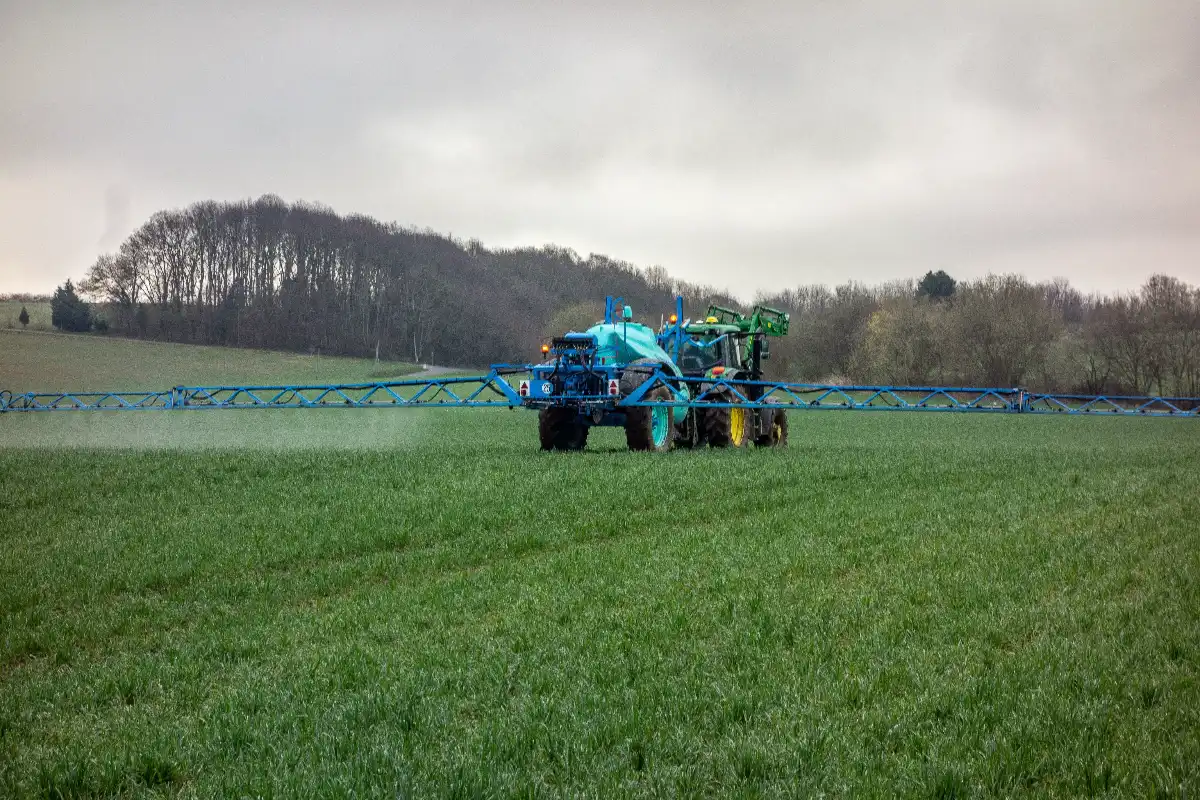
Choosing the right type of fertilizer can significantly impact cannabis growth, yield, and overall plant health. Also, different growing setups, indoor, outdoor, soil, or hydro, may benefit from different fertilizer types.
Below are the most common and effective types of fertilizers used by cannabis growers.
Liquid Nutrients
Liquid nutrients are one of the most popular fertilizer options for cannabis, especially among indoor growers.
Because they are already dissolved, liquid fertilizers provide fast absorption through the root system. This allows plants to respond quickly to feeding adjustments, making them ideal for growers who closely monitor plant performance.
Liquid nutrients are ideal for indoor growers because:
- Precise control over nutrient strength
- Easy to adjust for each growth stage
- Compatible with soil and hydroponic systems
- Faster correction of deficiencies
Liquid nutrients are typically used weekly or every other watering, depending on plant size and feeding schedule. However, they require careful measurement to avoid overfeeding.
Slow-Release Granular Fertilizers
Slow-release granular fertilizers are commonly used in outdoor growing environments or in larger soil containers.
These fertilizers gradually break down over time, supplying nutrients across several weeks or even months. This makes them convenient for growers who prefer less frequent feeding.
Benefits of slow-release granular fertilizers include:
- Longer feeding intervals
- Reduced need for constant monitoring
- Suitable for large outdoor gardens
- Convenient for seasonal growers
The main consideration with this fertilizer type is that once applied, adjustments are harder to make quickly compared to liquid nutrients.
Compost Teas & Natural Boosters
Compost teas and other natural boosters focus on improving soil biology rather than simply delivering nutrients.
These fertilizer types are rich in beneficial microbes that help break down organic matter and improve nutrient uptake. When soil microbes thrive, cannabis plants can absorb nutrients more efficiently.
Compost teas and natural boosters:
- Enhances microbial life
- Supports root health
- Improves nutrient availability
- Complements organic growing systems
Compost teas are often used alongside organic fertilizers to strengthen plant resilience and overall soil health.
How Often Should You Feed Weed Plants?
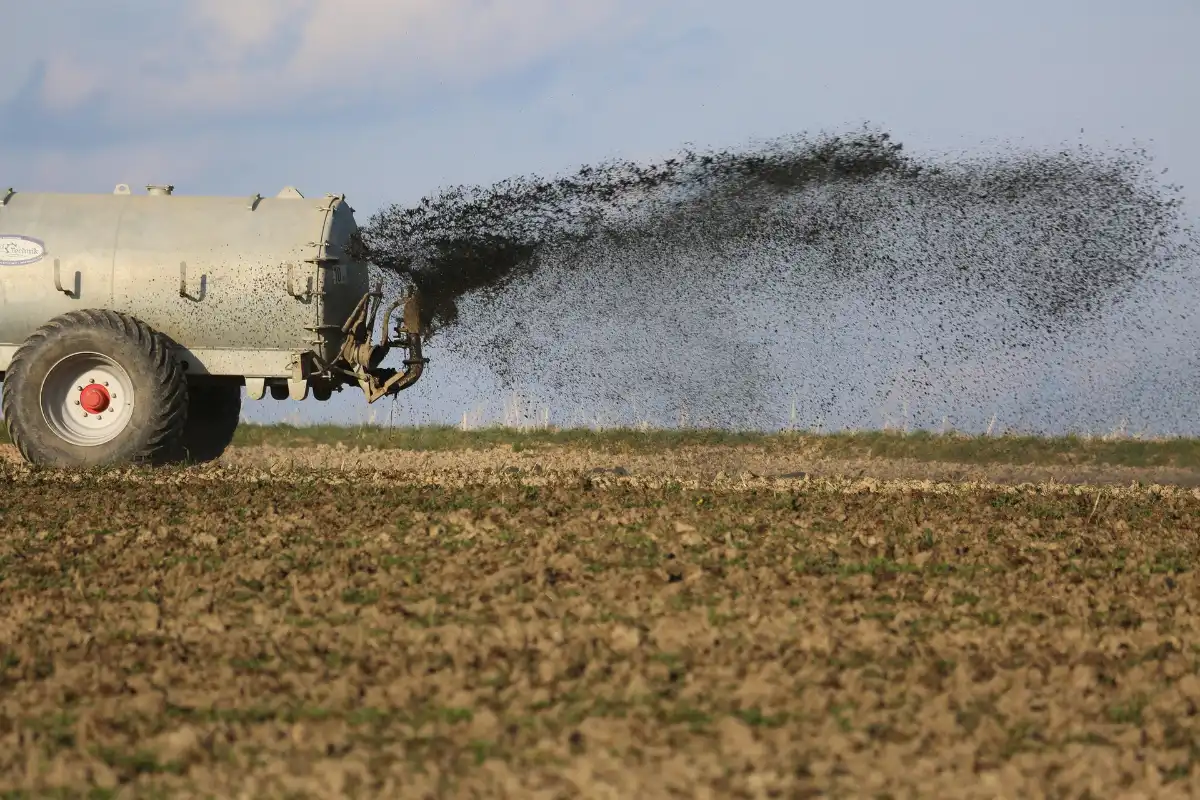
Feeding frequency for weed plants depends on your growing medium, plant stage, and the type of nutrients you’re using. There isn’t a one-size-fits-all schedule, but understanding general guidelines will help you avoid common mistakes like nutrient burn or deficiencies.
For in-soil weed plants, many growers follow the “feed-water-feed” approach. This means nutrients are given every other watering. This helps prevent salt buildup and gives roots time to absorb nutrients properly.
In hydroponic systems, nutrients are typically present in the water at all times. However, concentrations must be carefully monitored and adjusted weekly as plants grow.
But which is better, every watering vs. every other watering?
Every watering is more common in hydro or coco coir systems, where nutrients drain freely, and buildup is less likely when properly managed.
Every other watering, on the other hand, is often recommended for in-soil growers to reduce the risk of overfeeding. However, if you’re unsure of which to adopt, it’s safer to feed your plants less frequently and observe how they respond.
Maintaining proper pH levels is equally important. Even if you’re feeding your weed plants correctly, improper pH can lock out nutrients.
For in-soil grows, maintain pH levels between 6.0-7.0, while hydroponic systems should keep pH between 5.5-6.5. When pH drifts outside these ranges, plants may show deficiency symptoms even if nutrients are present.
Please note that it is important to flush weed plants before harvesting. Flushing involves watering with plain, pH-balanced water during the final 1–2 weeks before harvest. This helps remove excess nutrient salts from the growing medium, encouraging cleaner-tasting buds and smoother smoke.
Feeding checklist
Before and during feeding, follow this quick checklist:
- Check pH levels before watering.
- Start with half-strength nutrients, especially for young plants, and monitor the reactions.
- Watch leaf color for signs of deficiency or burn.
- Adjust gradually rather than making drastic changes.
In a nutshell, consistent monitoring and small adjustments are key. Overfeeding is far more common than underfeeding, so when in doubt, feed lightly and observe.
Signs of Nutrient Deficiencies in Weed Plants
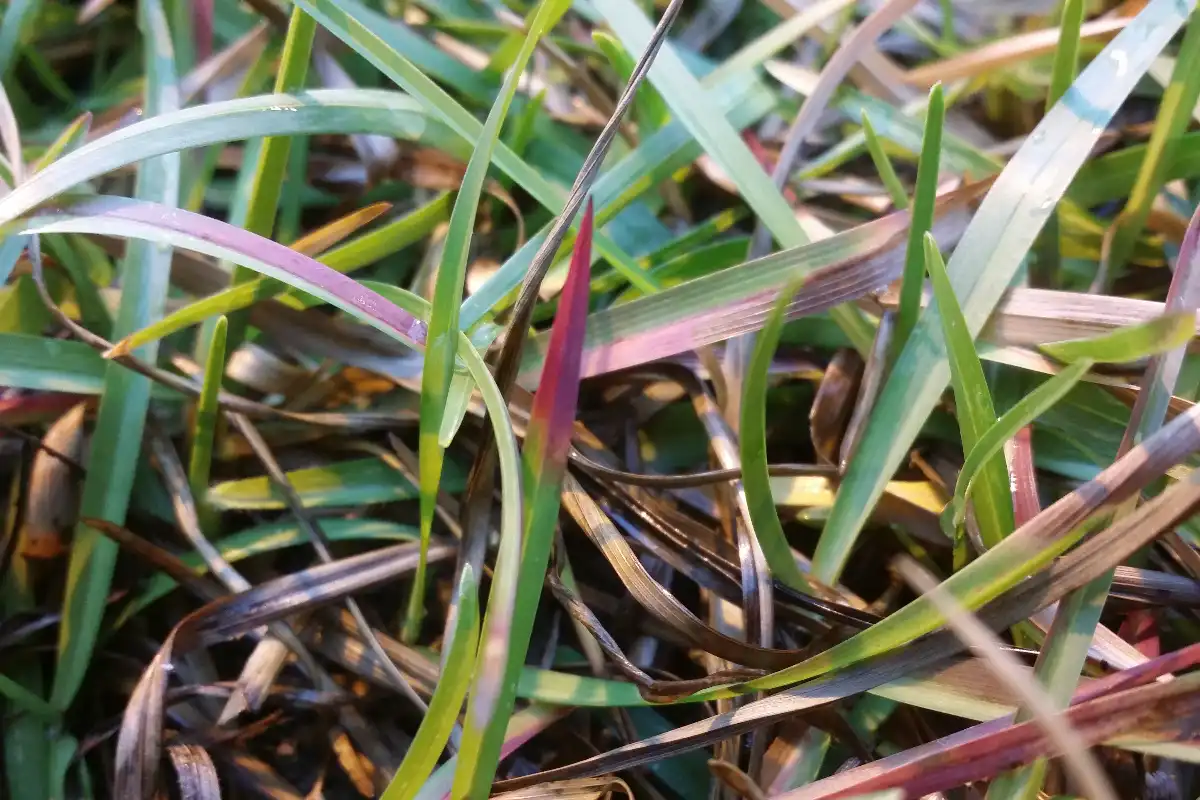
Sometimes, cannabis plants can develop nutrient deficiencies even with a good feeding schedule. Common signs your cannabis plant needs nutrients include yellowing leaves, dark or discolored foliage, brown leaf edges, and slowed growth.
These issues often show up first in the leaves and can quickly affect growth and yield if not corrected. Recognizing the symptoms early allows you to adjust feeding, pH, or environmental conditions before serious damage occurs.
Nitrogen Deficiency
Main symptom: Yellowing of lower leaves.
Nitrogen deficiency is one of the most common issues, especially during the vegetative stage. Because nitrogen is mobile within the plant, it moves from older leaves to new growth when the supply is low.
When deficiency sets in, you’ll typically notice:
- Pale green color fading to yellow,
- Yellowing, starting at the bottom of the plant, and
- Slow or stunted growth.
If left untreated, affected leaves may dry up and fall off. Increasing nitrogen during vegetative growth usually corrects the issue.
Phosphorus Deficiency
Main symptom: Dark leaves, slow bud growth.
Phosphorus deficiency often appears during flowering when demand increases.
Signs of phosphorus deficiency include:
- Dark green or bluish leaves,
- Reddish or purple stems (in some strains),
- Slowed flower development, and
- Smaller, less dense buds.
Note that cold soil and incorrect pH can also limit phosphorus uptake, even if nutrients are present.
Potassium Deficiency
Main symptom: Brown leaf edges
Potassium helps regulate water and nutrient movement within the plant. It’s deficiency signs include:
- Browning or “burned” edges on leaves,
- Curling leaf tips,
- Weak stems, and
- Reduced bud density.
Potassium deficiency issues often appear during mid-to-late flowering when plants need extra support.
Magnesium Deficiency
Main symptom: Yellowing between leaf veins
Magnesium is essential for chlorophyll production. Because it is also mobile, symptoms usually appear on older leaves first.
You may notice:
- Yellowing between veins while veins remain green,
- Leaves curling upward, and
- Rusty spots are developing over time.
Adding a magnesium supplement or adjusting pH can often resolve the issue quickly.
Many nutrient deficiency symptoms look similar to a pH imbalance or nutrient lockout. We recommend that you always check pH levels before increasing nutrients. Early detection and small adjustments are the best way to keep cannabis plants healthy and productive.
Common Nutrient Mistakes to Avoid

Proper feeding can dramatically improve cannabis yields, but small mistakes can quickly lead to stress, stunted growth, or reduced bud quality. Whether you’re growing indoors or outdoors, avoiding these common nutrient errors will keep your plants healthier and more productive.
Overfeeding: One of the most common mistakes growers make is giving plants too many nutrients too quickly, hoping that it will aid faster growth and development. More nutrients do not mean faster growth.
Overfeeding often leads to nutrient burn. Nutrient burn happens when excess fertilizer salts accumulate around the roots, restricting water uptake. Signs of nutrient burn include:
- Brown or crispy leaf tips,
- Dark, overly green foliage,
- Leaf clawing, and
- Salt buildup on the soil surface.
We recommend that you always start at half the recommended strength, especially with young plants, and increase gradually based on plant response.
Incorrect pH Levels: As mentioned above, even with perfect nutrient ratios, incorrect pH can cause nutrient lockout, preventing the weed plants from absorbing available nutrients in the soil. Regular pH testing is essential for consistent results.
For optimal results, maintain a pH level between 6.0-7.0 for in-soil plants and 5.5-6.5 for hydro/coco systems. Any deviation from these ranges can trigger deficiency symptoms even when plants are fed properly.
Using bloom nutrients too early: Bloom nutrients are high in phosphorus and potassium but lower in nitrogen. Switching to bloom nutrients too early can slow vegetative growth and reduce plant size before flowering even begins.
Plants need strong leafy development before they can support heavy buds. Wait until the flowering phase is clearly established before transitioning to bloom nutrients.
Ignoring runoff EC: EC (Electrical Conductivity) measures the concentration of nutrient salts in your growing medium. Ignoring runoff EC can lead to salt buildup and root stress.
By occasionally testing runoff, you can detect overfeeding early, prevent nutrient lockout, and maintain balanced root-zone conditions. Monitoring runoff is especially important in coco and hydro systems, but soil growers can benefit as well.
Pro Tips for Maximizing Cannabis Yields

The best nutrient for weed plants depends on your growing style. Liquid nutrients offer speed and precision, granular fertilizers provide convenience for outdoor growers, and compost teas enhance soil biology.
Many successful growers combine nutrient types to create a balanced, effective feeding strategy. If you want dense, high-quality flowers and consistent harvests, observe these proven pro tips for maximizing your cannabis yields.
Use feeding charts. These charts provide a stage-specific feeding pattern, as cannabis demands different ratios throughout its lifecycle. Use these charts as a structured foundation, especially during vegetative and flowering transitions.
However, the charts are starting points and not rigid rules. So, don’t follow the chart blindly. Always adjust based on plant response, growth rate, and environmental conditions.
Monitor runoff consistently. Runoff testing tells you what’s happening at the root zone, where yield potential is determined. Rising EC levels indicate salt buildup, while unbalanced pH can signal nutrient lockout risk.
Regular runoff monitoring allows you to correct imbalances before they affect flower development.
Use Cal-Mag supplement when needed. Calcium and magnesium deficiencies are extremely common, especially in coco coir and RO (reverse osmosis) water systems. A quality Cal-Mag supplement can prevent weak stems, interveinal yellowing, and slow growth.
We recommend that you often supplement proactively rather than waiting for visible deficiency symptoms.
Keep the environment stable. Nutrients alone do not drive yield; environmental stability does. Therefore, maintain consistent temperature, humidity, airflow, and light intensity for optimal performance.
Fluctuations stress plants and reduce nutrient uptake efficiency. Stable environments allow plants to metabolize nutrients properly and convert energy into flower mass.
Avoid nutrient lockout. Even perfectly mixed nutrients won’t help if roots can’t absorb them. Nutrient lockout typically results from improper pH, salt buildup, or overfeeding.
Prevent nutrient lockout by maintaining proper pH ranges, flushing when necessary, and avoiding excessive nutrient strength. We recommend that you focus on root-zone health above all else. Strong roots equal strong yields.
Finally, maximizing cannabis yields isn’t about feeding more; it’s about feeding smarter. Feed with the best nutrients at each growth stage, track performances, monitor runoff, stabilize your environment, and make incremental adjustments. The results will show up clearly at harvest.
Frequently Asked Questions (FAQs)
There is no single best NPK ratio for weed plants; adjusting nutrients based on plant stage is key. The best NPK ratio depends on the growth stage. During the vegetative stage, cannabis prefers a nitrogen-dominant ratio such as 3-1-2 or 4-2-3 to support leafy growth. During flowering, plants require less nitrogen and more phosphorus and potassium, with ratios like 1-3-2 or 2-4-5 to promote bud development. There is no single “perfect” ratio — adjusting nutrients based on plant stage is key.
Yes, you can use regular plant fertilizer for cannabis, but it may not be ideal. Many general-purpose fertilizers are not tailored to cannabis’ changing nutrient needs. They may contain slow-release nitrogen or unbalanced ratios that reduce flower quality. For best results, use stage-specific cannabis nutrients or carefully match NPK ratios to your plant’s growth phase.
Nutrient burn typically shows up as brown or crispy leaf tips; dark green, shiny leaves; leaf clawing; and salt buildup in soil. If you notice these symptoms, reduce nutrient strength immediately and consider flushing with pH-balanced water.
Yes, it is ideal to flush weed plants before harvest. Flushing helps remove excess nutrient salts from the growing medium, which may improve smoothness, flavor, and overall bud quality. Many growers flush cannabis plants 1–2 weeks before harvest using plain, pH-balanced water.
Phosphorus (P) and potassium (K) are the two primary nutrients responsible for increasing bud size during flowering. Adequate phosphorus supports flower formation, while potassium improves density and overall plant strength. However, increasing bud size also requires proper lighting, stable environmental conditions, and balanced feeding.