

Hemp is undoubtedly one of the oldest cultivated crops in the world, but when it comes to planting, most modern farmers still ask a very practical question, which is, “Is hemp seed planted using planter or drill?”
- How Is Hemp Seed Planted? (Overview)
- Using a Drill to Plant Hemp Seed
- Using a Planter to Plant Hemp Seed
- Hemp Planter vs. Drill — Which Is Better for Hemp?
- Best Planting Method Based on Hemp Type
- Ideal Hemp Seed Depth and Row Spacing
- Soil Preparation Before Planting Hemp Seed
- Common Mistakes When Planting Hemp Seed
- Final Answer — Planter or Drill for Hemp Seed?
- Frequently Asked Questions (FAQs)
They are often confused and want to know which to choose between the precision of a planter and the speed/density of a drill.
The answer isn’t as simple as choosing one machine over the other because getting this choice wrong doesn’t just mean a few missed sprouts; it can mean the difference between a high-yield harvest and a weak stand.
Below is a comprehensive post to help you decide the best planting method for hemp. In this post, you will learn the best planting method, equipment differences, spacing, and depth for healthy hemp crops. Read on.
How Is Hemp Seed Planted? (Overview)
Hemp seed is generally planted directly into the soil in late spring once soil temperatures reach at least 50°F (10°C). A firm, well-prepared, well-drained seedbed is essential, with seeds planted at a consistent planting depth of 0.5in. to 1in. to promote rapid, uniform germination.
Because the seeds are small and have limited energy reserves, even a slight deviation in depth can result in poor emergence or a total crop failure. Also, adequate soil moisture is crucial for successful establishment, which allows the crop to out-compete weeds.
Why Equipment Choice Matters? Equipment choice is critical because hemp seeds are delicate and can be damaged by excessive force. Standard grain drills or air seeders are typically used, but air flow must be kept low to prevent seed cracking.
Proper, calibrated seeding equipment is necessary to ensure precise depth and spacing, preventing uneven stands.
What are the likely Factors Influencing Planting Method? Planting methods are typically influenced by the following factors:
- Purpose: Hemp planted for the purpose of fiber production requires high density and narrow spacing (35 to 60 lbs/acre in narrow rows of 6in to 7in) for tall, non-branching plants. Whereas, hemp grown for seed (grain) production uses lower density and wider spacing.
- Scale: Small-scale operations may use conventional row planting, while large-scale, commercial operations often use specialized, high-capacity seeders. Large-acreage industrial operations favor the speed of drills.
- Soil/environment: In drier regions with heavier soil, the advanced down-pressure and depth control of a precision planter is required to ensure the seeds can actually break the surface.
Generally, a seed drill is typically used for high-density fiber and grain production to outcompete weeds, while a row planter is favored for high-value CBD crops that require individual space to thrive.
Note that properly planted hemp can be grown without herbicides, making efficient, accurate seeding vital for early competition.
Using a Drill to Plant Hemp Seed
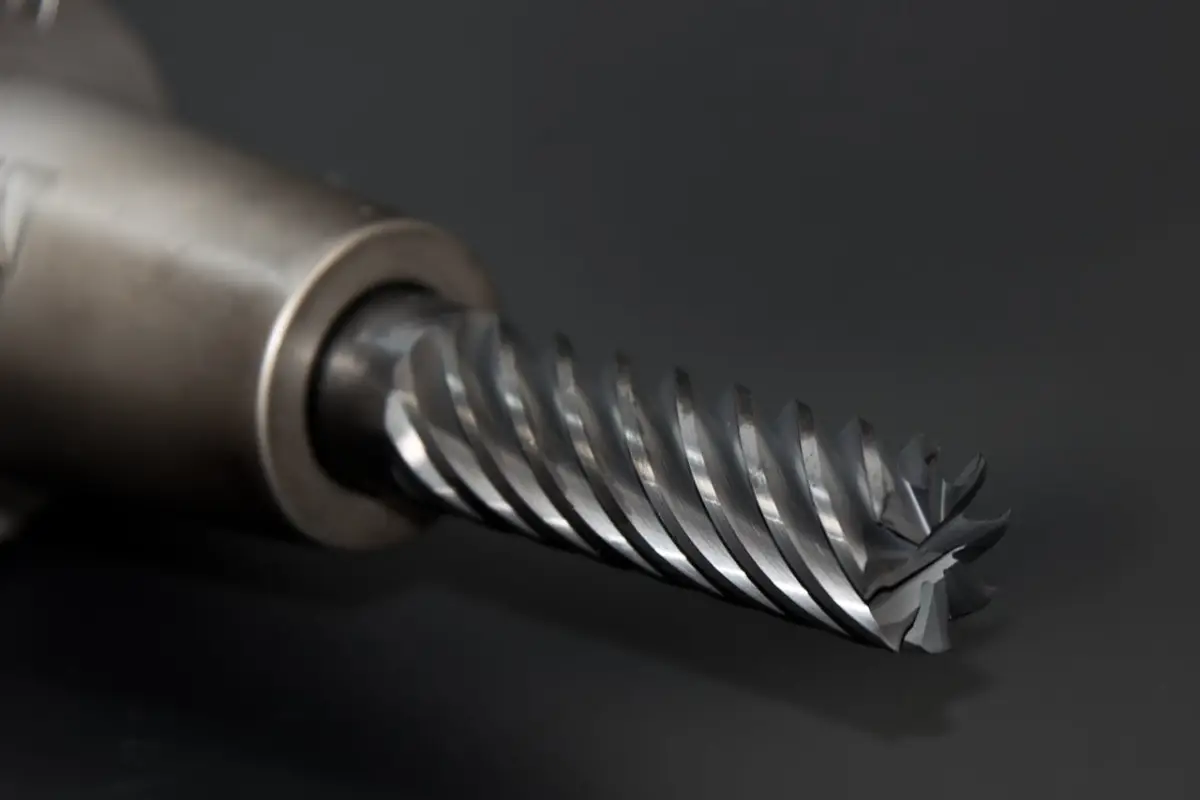
Using a grain drill to plant hemp is one of the most common and efficient methods for establishing a successful crop, especially when planting for grain or fiber.
What Is a Grain Drill?
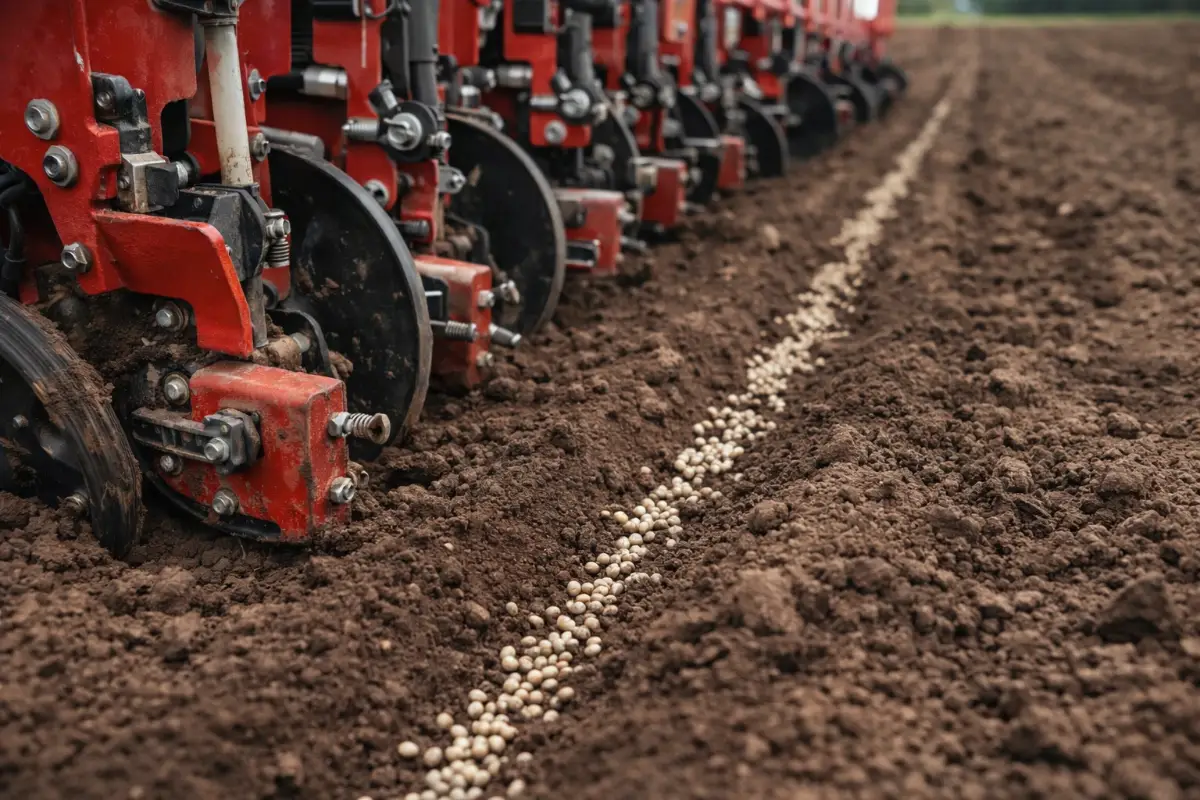
Just in case you don’t know what a grain drill is. A grain drill is an agricultural machine that sows seeds by creating small furrows, depositing seeds at a consistent depth, and covering them with soil in a single pass.
A grain drill is commonly used for hemp because it allows for rapid, large-scale planting. More so, it creates between 6in and 15in wide rows that are fairly close for making a canopy but wide enough for weed control.
Advantages of Using a Drill for Hemp
The primary advantage of using a grain drill for hemp is achieving even seed distribution rates and, crucially, consistent seed depth.
Hemp seeds require a shallow planting depth, ideally between 0.5in to 1in, and are sensitive to being planted too deep, which can lead to poor emergence. A grain drill ensures that the soil covering is adequate to protect the seed from birds and environmental stress.
Furthermore, drills promote even distribution, which helps establish a high-density, dense stand, ideal for fiber (encouraging tall, thin stalks) and grain (consistent plant spacing).
Limitations of Drilling Hemp Seed
While highly effective, drilling hemp seeds does have limitations. Foremost, it offers less precision for wide-row planting compared to row-crop planters regarding exact in-row spacing. This is not ideal for CBD hemp, a variety requiring lower plant populations and wider spacing.
Additionally, the machinery can be harsh on fragile, high-value hemp seeds if not properly calibrated, potentially reducing germination rates.
Overall, a grain drill for hemp remains the premier choice for solid-seeding industrial hemp for industrial uses, provided the machine is properly set to manage the shallow depth requirements of the plant.
Using a Planter to Plant Hemp Seed
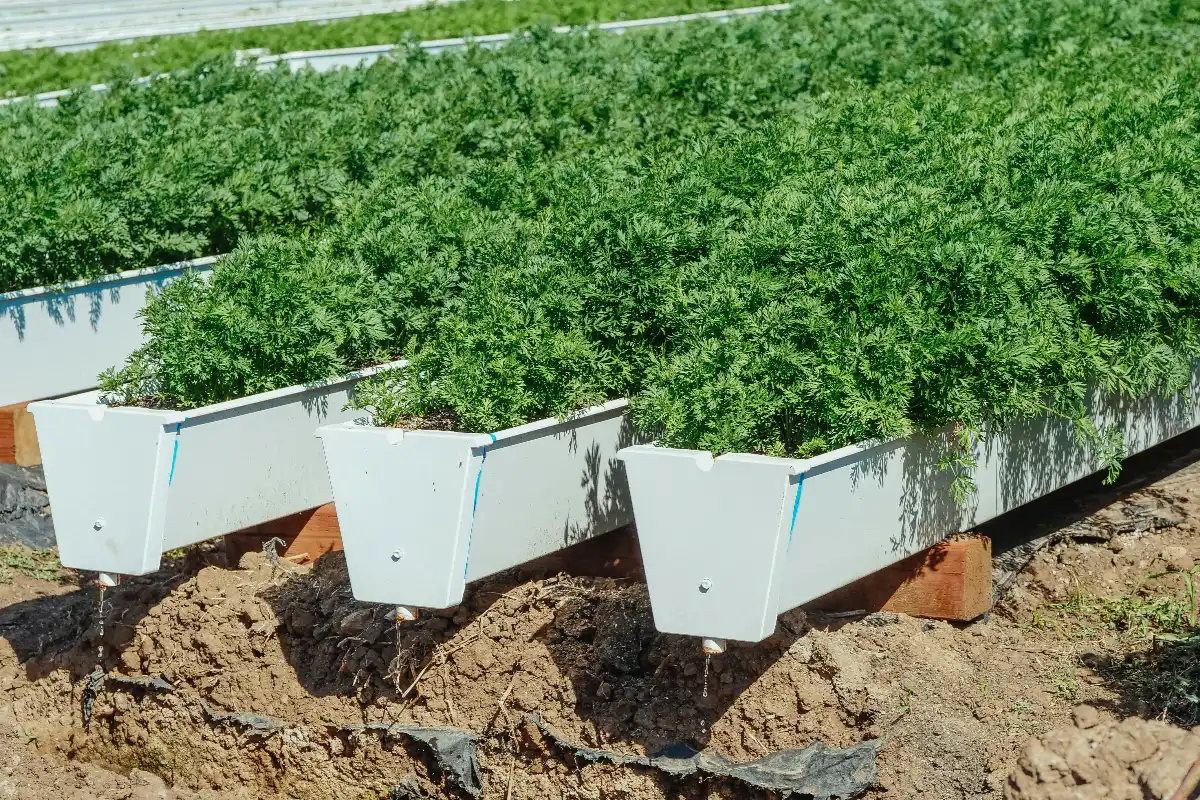
Using a planter to plant hemp seed is rapidly becoming the industry standard for commercial growers, particularly when compared to traditional grain drills.
While grain drills work for high-density fiber hemp, a planter is essential for optimizing seed placement, depth, and spacing, which is crucial for CBD and grain production where individual plant growth matters.
What Type of Planter Is Used for Hemp?
For hemp, precision vacuum planters are highly preferred over row crop planters designed for large seeds like corn. Hemp seeds are small and delicate, requiring gentle handling.
Precision, vacuum-fed units allow for precise seed singulation, placing one seed at a time at consistent intervals within the row.
Planters are preferred when aiming for a specific, lower plant population (e.g., 1,500 to 5,000 plants per acre for CBD) rather than the 500,000+ plants per acre for fiber.
Advantages of Using a Planter
Planters offer superior control over row spacing and seeding depth compared to drills, typically allowing for 15in to 30in row widths.
- Controlled spacing: Precise, uniform spacing minimizes competition between plants, allowing them to branch out and produce more flowers (essential for CBD).
- Better for CBD/Dual-Purpose hemp: The accuracy leads to even emergence, which is critical for achieving uniform maturity across the field.
- Easier weed management: Wide row spacing allows for mechanical cultivation between rows, reducing reliance on herbicides.
Drawbacks of Planters for Hemp
While beneficial, planters have the following limitations:
- Higher cost: Quality vacuum planters are significantly more expensive than grain drills.
- Setup adjustments: Achieving the correct vacuum pressure, singulation, and depth for tiny, expensive hemp seeds requires technical skill. Improper settings can lead to ‘doubles’ (two seeds planted together) or skips, which waste expensive seed.
- Slower speed: Precision planting usually requires slower speeds than drilling.
Hemp Planter vs. Drill — Which Is Better for Hemp?
Choosing between a planter and a drill for planting hemp depends heavily on the intended end-use – fiber, grain, or CBD, and your operational scale. Both machines have distinct advantages regarding seed placement, speed, and cost.
Let’s compare both.
A planter offers high-precision, individual seed singulation and consistent depth control (1in to 2in). It excels in wider rows, typically 15in to 30in.
A drill acts as a ‘controlled spill,’ placing seeds closer together (7.5in to 10in rows) at varying depths, making it faster to cover large acreage but with less precision.
Let’s further compare them in terms of yield, cost, and efficiency.
A planter generally provides higher, more uniform germination, reducing seed waste by 10% to 20%. It is ideal for maximizing yield in CBD or high-value, wider-row grain, though it is slower and has higher initial equipment costs.
Drill, on the other hand, offers higher efficiency, making it the superior choice for large-scale fiber or grain production. While it uses more seed, its lower upfront cost and speed make it more cost-effective for high-density planting.
Now, let’s match each piece of equipment to the hemp type.
Drills are superior and ideal when cultivating hemp for fiber/grain. Drills’ high-density, narrow-row planting encourages tall, thin stalks for fiber and limits branch growth for grain.
Planters are perfect for CBD and smokable, providing the wide spacing and precision depth required by these plants. The wide spacing also allows plastic mulch laying.
To wrap it up, use a drill for fiber/grain for efficiency and high density; use a planter for CBD/smokable to ensure precision and optimized yield.
Best Planting Method Based on Hemp Type
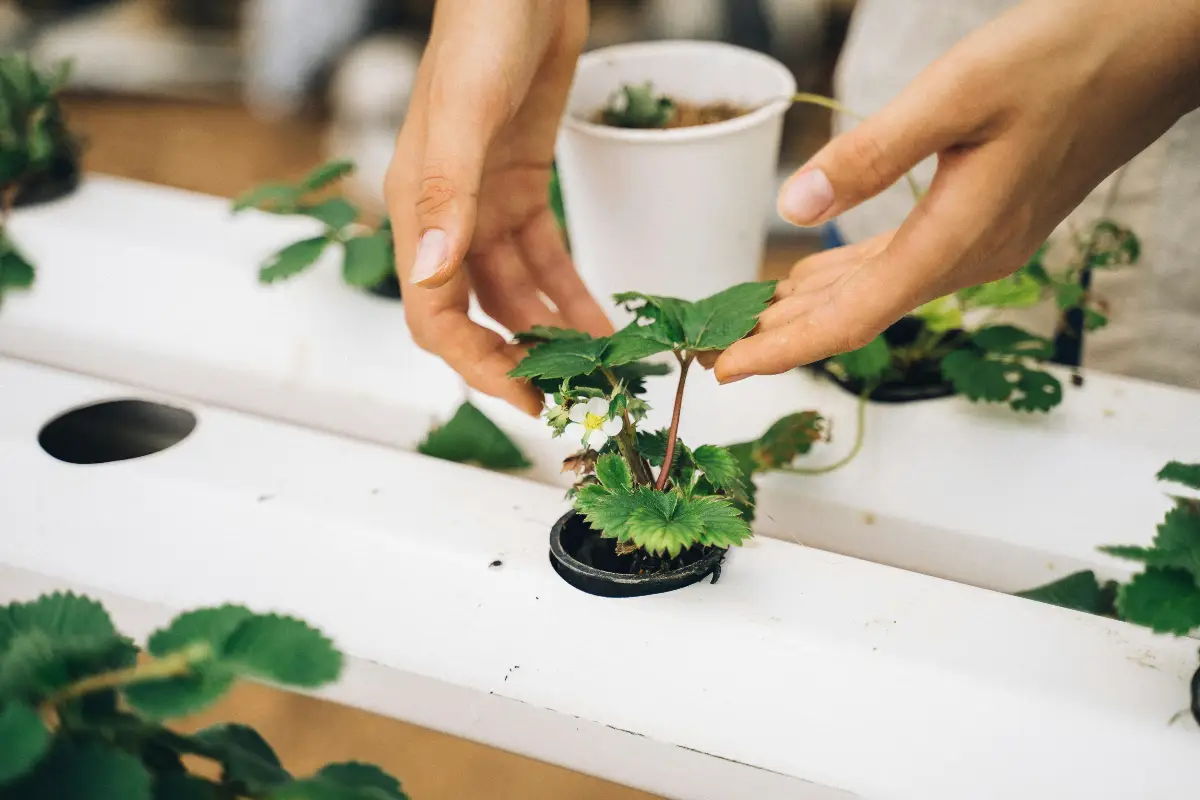
Selecting the appropriate planting method based on hemp type is crucial, as the desired end product – fiber, grain, or CBD – dictates the necessary plant density and spacing.
Here is a brief breakdown of the best planting method based on hemp type:
Fiber Hemp
For maximum biomass and high-quality, long bast fibers, fiber hemp requires dense planting. A high plant population creates competition, encouraging vertical growth and preventing excessive branching, which results in pencil-thin stems.
A conventional grain drill is typically used. Choose a planting density of 200 to 300 seeds per square meter (75 to 100 lbs of seed per acre) to achieve a high density of 15 to 35 plants per square foot.
In terms of spacing and depth, rows should be spaced very tightly, often less than 7in apart. Seeds should also be planted at a shallow depth of 0.5in to 0.75in in firm soil.
Grain Hemp
Grain hemp requires moderate density to encourage branching, which maximizes flower development and, subsequently, seed yield.
A grain drill or row crop planter can be used for planting. The planting density is often lower than fiber, usually targeting 10 to 15 plants per square foot (approx. 22 to 33 lbs of seed per acre).
Row spacing of 6in to 12in is common, although 15in to 30in rows can be used to allow for mechanical cultivation if necessary. Seeds should be placed at a depth of 0.75in to 1in for consistent, rapid emergence.
CBD Hemp
CBD production requires wider spacing to foster large, bush-like plants with high flower-to-stem ratios.
Precision planting is required, often using planters or transplanters for greenhouse-grown seedlings to minimize seed mortality.
Seeds should be planted 2ft to 6ft apart in a grid, resulting in a density of 1,500 to 2,000 plants per acre. Planting CBD hemp is often accompanied by plastic mulch and drip irrigation to manage weeds and moisture.
Ideal Hemp Seed Depth and Row Spacing
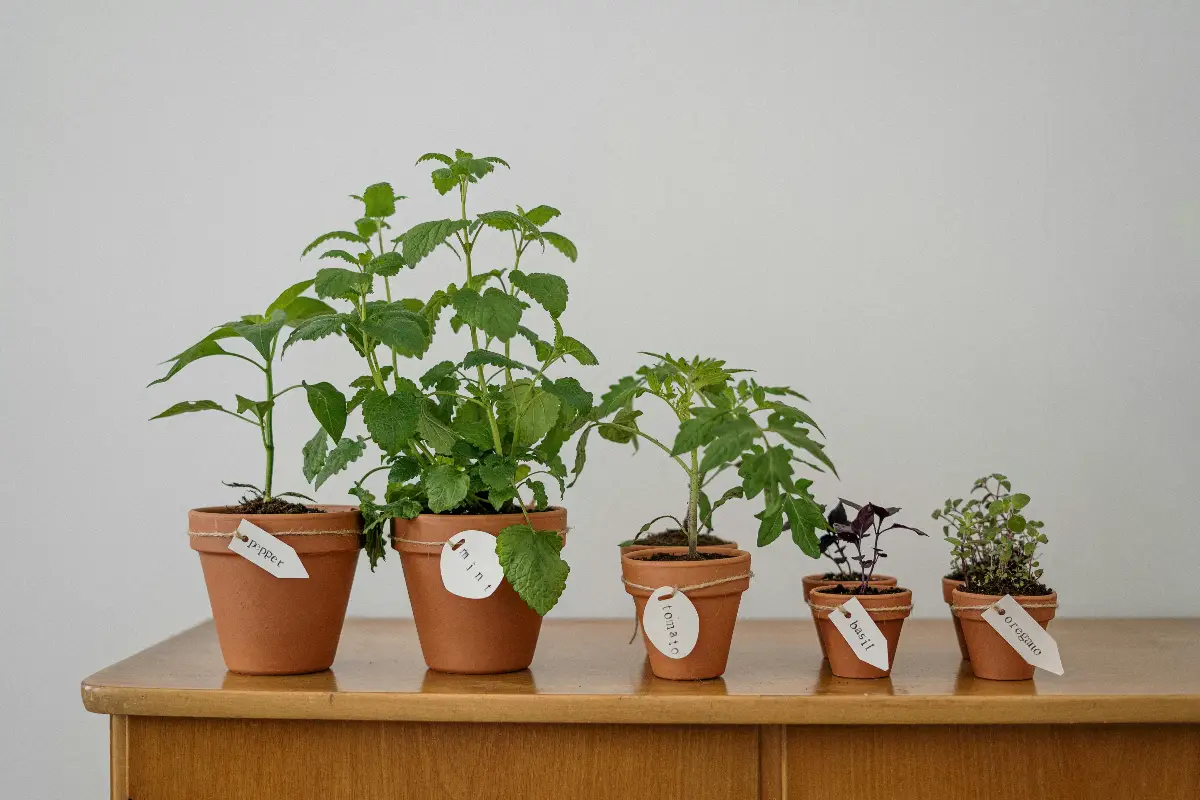
Irrespective of the intended market or use, ensuring uniform hemp seed depth is critical to minimize mortality rates, which can be high in uneven stands
For optimal industrial hemp production, the recommended planting depth is between 0.5in and 1in (1.25cm to 2.5cm) in a firm, well-prepared seedbed.
While, on average, a 0.75in depth is ideal for good soil moisture contact, you can adjust the planting depth as follows based on these conditions:
- 0.5in for moist soils, and
- 1.5in in drier conditions.
So, what are the effects of hemp seed depth?
Shallow planting (0.5in to 1in) promotes rapid, uniform emergence, particularly early in the season when moisture is available.
Deep planting (1.5in and above), on the other hand, results in poor, inconsistent emergence because seedlings struggle to penetrate the surface, especially if a soil crust forms.
Now that we’ve settled on the recommended planting depth, let’s consider the row spacing requirements.
Typically, fiber production requires high-density planting, often 1 million plants per acre, to produce tall, thin plants. For fiber production, row spacing should be narrow, typically 6in to 8in or sometimes less than 12in.
For grain production, a grain drill is often used at 6in to 12in spacing. CBD or flower production requires a wider room and is often spaced 4ft to 6ft apart, often using transplants.
Regardless of the intended market, ensuring uniform depth is critical to minimize mortality rates, which can be high in uneven stands.
Soil Preparation Before Planting Hemp Seed
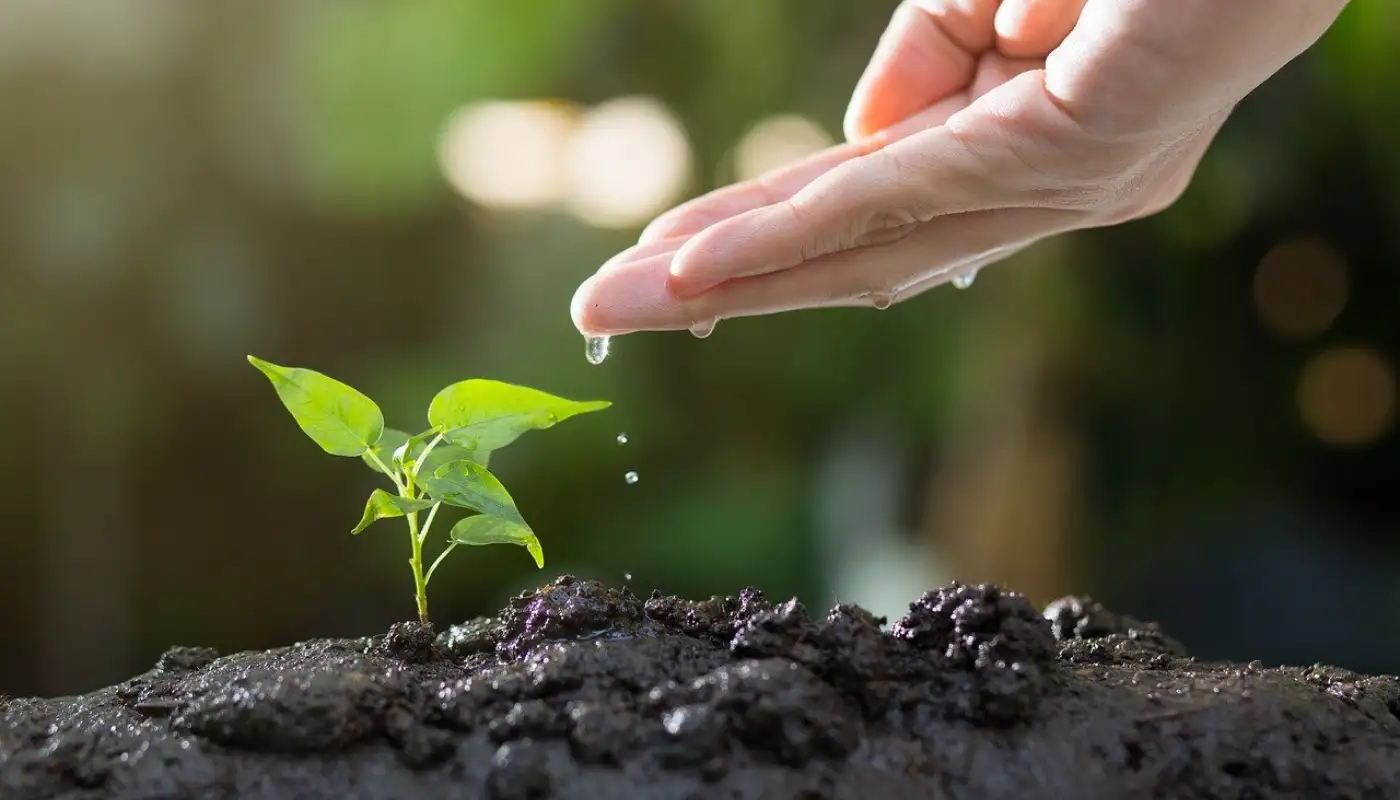
Proper soil preparation is crucial to maximizing hemp’s growth and yield.
Because hemp develops a deep taproot, it requires well-aerated, fertile loamy soil with excellent internal drainage.
While it is resilient and can grow in sandy soils with sufficient irrigation, it is sensitive to waterlogged conditions. Hemp cannot tolerate wet feet, and saturated soils lead to root rot and stunted growth.
Heavy, compacted clay soils should be avoided or heavily amended with organic matter, as they restrict root growth and cause poor stand establishment.
Soil must provide good air exchange to the roots; therefore, loosening the soil to a depth of 8in to 12in is essential, particularly if the ground has been compacted.
pH Level Requirements
The chemical foundation is equally vital. Hemp thrives in a neutral to slightly acidic soil, with an ideal pH range between 6.0 and 7.5. While it is somewhat adaptable, soils outside this pH range can limit nutrient uptake, leading to deficiencies or toxicity.
If your soil is too acidic, a pre-plant application of lime is necessary to unlock essential nutrients like phosphorus and magnesium, while sulfur can be added if soil testing reveals a high pH.
Pre-plant Field Preparation
Soil preparation should start with a soil test to determine nutrient needs and should focus on creating a fine, firm, and weed-free seedbed, similar to that for small grains.
Most growers use a combination of:
- Primary tillage: Plowing/breaking up compaction at 20cm and incorporating previous crop residue or organic matter.
- Secondary cultivation: Using a cultipacker or harrow to eliminate large clods.
- Weed control: Hemp has a few registered herbicides. So, tilling a stale seedbed, letting weeds germinate, and then killing the weeds is effective before planting.
- Fertilization: Applying required phosphorus, potassium, and nitrogen based on soil tests.
The final seedbed should have a firm surface, not fluffy, to ensure good seed-to-soil contact, with a planting depth of 0.5in to 1in.
Common Mistakes When Planting Hemp Seed

When cultivating hemp crops, several common planting mistakes can severely limit yield and stand uniformity. Hence, try as much as possible to avoid these errors to maximize hemp productivity.
Planting too deeply: Hemp seeds are relatively small, fragile, and lack the energy to emerge if buried too deeply. The ideal planting depth is 0.5in to 1in. Planting too deeply, especially in cool or heavy soils, often results in poor germination and weak seedling emergence.
Incorrect equipment selection: While many planters can work, using blunt tools designed for large seeds can damage delicate hemp seeds or lead to poor spacing.
Grain drills are often preferred for close-row spacing (6in to 15in) to foster rapid canopy closure. For CBD, precision vacuum planters or specialized transplanters for clones are better options than coarse seeders.
Poor calibration of planter or drill: A lack of calibration or poor calibration leads to uneven seeding rates, which can cause either poor, patchy stands (low yield) or excessively thick stands, which can lead to increased pest pressure.
It is crucial to calibrate the planter or drill for the specific seed size to ensure consistent depth and prevent seed damage. Furthermore, high air volumes in pneumatic planters can crack seeds.
To wrap it up, always maintain a shallow, firm seedbed, select the correct equipment, and take your time to calibrate the equipment to ensure optimal, consistent emergence.
Final Answer — Planter or Drill for Hemp Seed?
The final choice depends entirely on your harvest goals, as the choice between a planter and a drill depends largely on the end-use.
For grain and fiber (high-density production), a grain drill is recommended, as it creates narrow rows (6in to 15in) that encourage vertical growth and quick canopy closure to suppress weeds.
For CBD, or CBG flowers, or high-value seed production (low-density production), a precision planter is superior, as it allows for precise, wide-row spacing (2ft to 6ft) and consistent depth, crucial for maximizing individual plant branching and reducing expensive seed waste.
Whatever equipment you choose, keep the hemp seed shallow with seeding depth between 0.5in and 1in for rapid, uniform emergence in a firm, well-prepared, and moist seedbed.
For optimal production, fiber/grain requires 33 to 76 lbs/acre planting density, while CBD requires much lower, widely spaced populations.
If you’re a beginner, start with a grain drill if focusing on fiber/grain, as it is generally more accessible.
You can also start with a precision row planter if possible, as the planter’s superior depth control provides a much larger margin for error, ensuring your expensive seeds actually make it out of the ground.
Focus on achieving uniform planting depth and, if possible, roll the field after seeding for better seed-to-soil contact. Finally, always perform a soil test to confirm nutrient levels (N-P-K).
If you are also considering cannabis cultivation, here is a comprehensive guide on how to germinate cannabis seeds.
Frequently Asked Questions (FAQs)
Yes, hemp can be planted with a grain drill, especially for fiber or grain production. Calibrating the grain drill for small grains, such as wheat, works effectively to ensure even seed distribution. However, the drill must be properly set to ensure the correct seeding rate and to avoid seed cracking.
The best row spacing for hemp depends on the end-use. For fiber and grain production, narrow row spacing of 6in to 15in is ideal for creating a fast, dense canopy that helps suppress weeds. For high-cannabinoid (CBD) hemp, much wider spacing of 3ft to 6ft is used, allowing for significant branching and manual, individual plant management.
Typically, hemp seeds require a shallow planting depth of 0.5in to 1in deep. A planting depth of 0.5in to 0.75in is ideal for faster, more uniform emergence. Planting too deeply can significantly reduce emergence and plant vigor, as hemp seedlings struggle to emerge from deep in the soil.
This depends on the end-use. Precision planting is essential for high-CBD/cannabinoid hemp, where individual plants are cultivated for flower production, and proper, uniform spacing is crucial for maximizing yield and maintaining quality. Sometimes, transplants are used for CBD rather than direct seeding to ensure precision. However, precision planting is not necessary for fiber and grain hemp, where high plant density is the goal.
Yes, hemp can be planted by hand, especially for small-scale operations, experimental plots, or when cultivating varieties that require precise spacing. However, planting by hand is not practical for larger fiber or grain operations due to the required high density.