

Every new gardening project starts with curiosity and challenges, such as choosing the best soil type or selecting the best plants. Newbie gardeners often turn to search engines for quick solutions.
- What Makes a Gardening Book Beginner-Friendly?
- Best Gardening Books for Beginners (Top Picks)
- The Vegetable Gardener’s Bible – Edward C. Smith
- Vegetable Gardening for Beginners – Jill McSheehy
- Rodale’s Basic Organic Gardening
- The Well-Tempered Garden – Christopher Lloyd
- The New Organic Grower – Eliot Coleman
- Square Foot Gardening – Mel Bartholomew
- RHS Gardening Through the Year – Ian Spence
- Best Gardening Books by Category
- Best Vegetable Gardening Books for Beginners
- Best Home and Backyard Gardening Books
- Best Visual Gardening Books
- Print Books vs Digital Gardening Guides
- How to Choose the Right Gardening Book for You
- Common Mistakes Beginners Make When Learning from Books
- Final Thoughts — Start Simple and Grow Your Skills
- Frequently Asked Questions (FAQs)
However, a quick internet search can yield contradictory advice, leaving new gardeners more confused. Luckily, a trusty book that guides through the basics of gardening becomes the best option.
A gardening book is a great resource for beginners to satisfy their curiosity and expand their knowledge. It offers curated, research-based information, inspiration, and practical solutions for sustainable gardening, making it an essential tool for mastering the art and science of gardening.
A gardening book doesn’t just give useful instructions that save time and money; it also builds gardeners’ confidence.
Today’s post presents a curated list of the seven best gardening books for beginners in the horticultural journey. Read on.
What Makes a Gardening Book Beginner-Friendly?
A gardening book acts as a bridge between curiosity and confidence. It provides in-depth, reliable knowledge that goes beyond quick internet searches.
It offers structured guidance on techniques, soil types, watering, problem-solving (such as pest control), plant identification and selection, and garden design, helping beginners deepen their gardening skills.
To simplify complex gardening processes, provide clear guidance, and prevent newbies from becoming overwhelmed and giving up, a gardening book must be beginner-friendly.
A gardening guide for beginners must prioritize simple, actionable, step-by-step instructions and clear, straightforward, jargon-free language.
Visual aids, such as photos, diagrams, and charts, are equally essential for illustrating concepts to beginners.
In a nutshell, a gardening basics book for beginners must:
- Focus on fundamental principles such as soil type, soil preparation, planting times, watering techniques, etc., before introducing more complex topics like pest management and advanced propagation.
- Use simple terms to explain essential concepts and offer accessible, reliable information, avoiding dense technical jargon.
- Include helpful visuals, such as high-quality photographs, diagrams, and charts, to help beginners visually identify plants and understand processes.
- Offer practical and actionable guidance and advice that a newbie gardener can successfully follow and complete.
- Give support for common gardening mistakes and challenges typical of new gardeners.
Best Gardening Books for Beginners (Top Picks)
Why start your gardening journey with trial and error? A well-chosen gardening basics book can transform a frustrated beginner into a confident gardener.
Below are seven of the most impactful books that cater to various gardening needs and styles, from a small-scale vegetable garden to ornamental landscape design.
The Vegetable Gardener’s Bible – Edward C. Smith
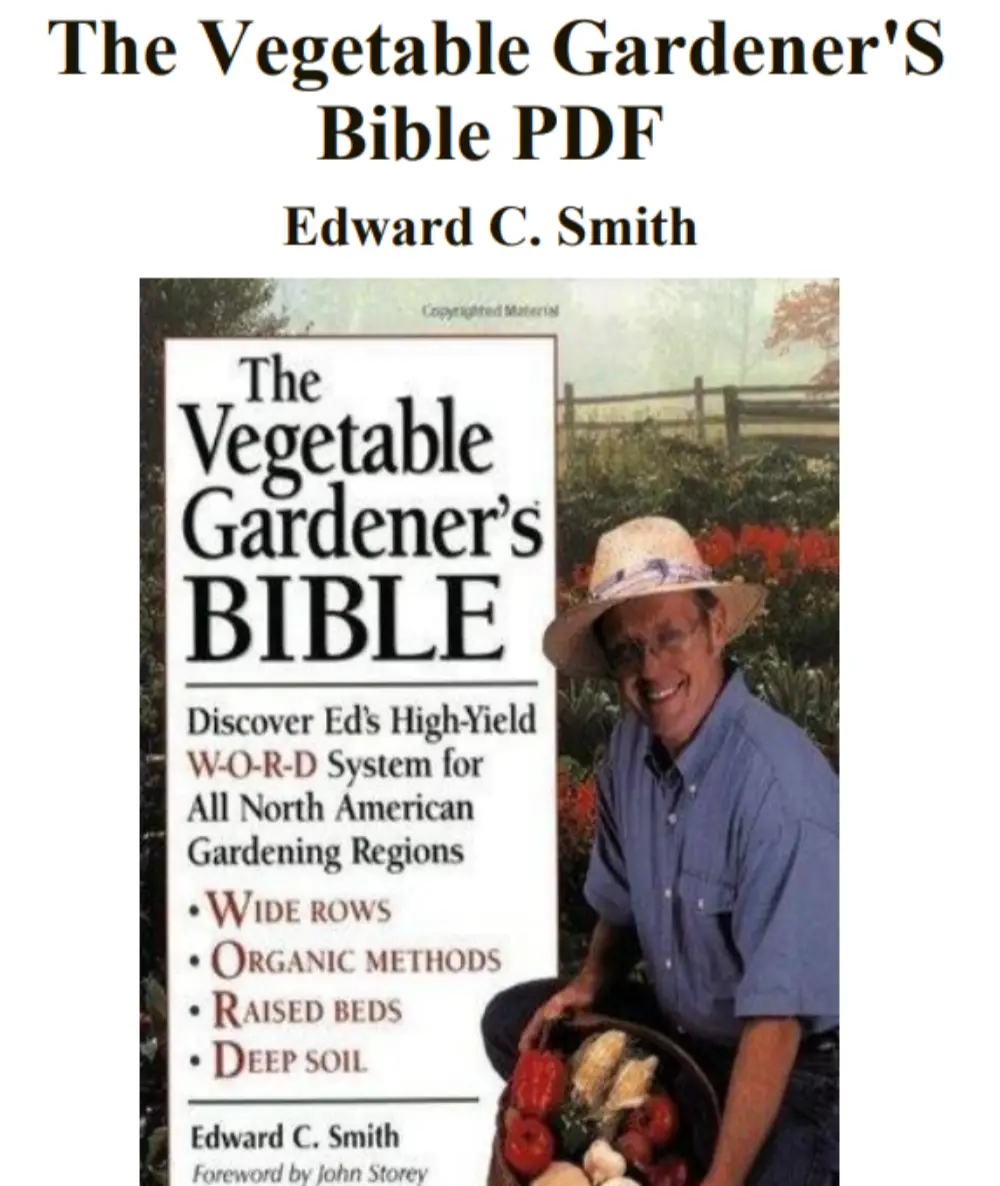
For those focusing specifically on vegetable or food gardening, this gardening book from Edward C. Smith is an essential addition to their library.
In his book, Edward introduced the ‘W-O-R-D’ system to guide newbies – Wide rows, Organic methods, Raised beds, and Deep soil. This process simplifies complex horticultural concepts into an easy, repeatable formula.
The guide features ‘plant profiles’ and practical layouts that explicitly explain the specific needs of various crops. It also gives clear instructions on how to maximize garden yield in a limited space.
Edward used an encouraging tone, helping beginners move past the fear of failure by focusing on the health of the soil, being the foundation of every successful garden.
Verdict: This vegetable gardening book for beginners is the ultimate ‘how-to’ for beginners wanting to grow their own food organically and efficiently.
Vegetable Gardening for Beginners – Jill McSheehy
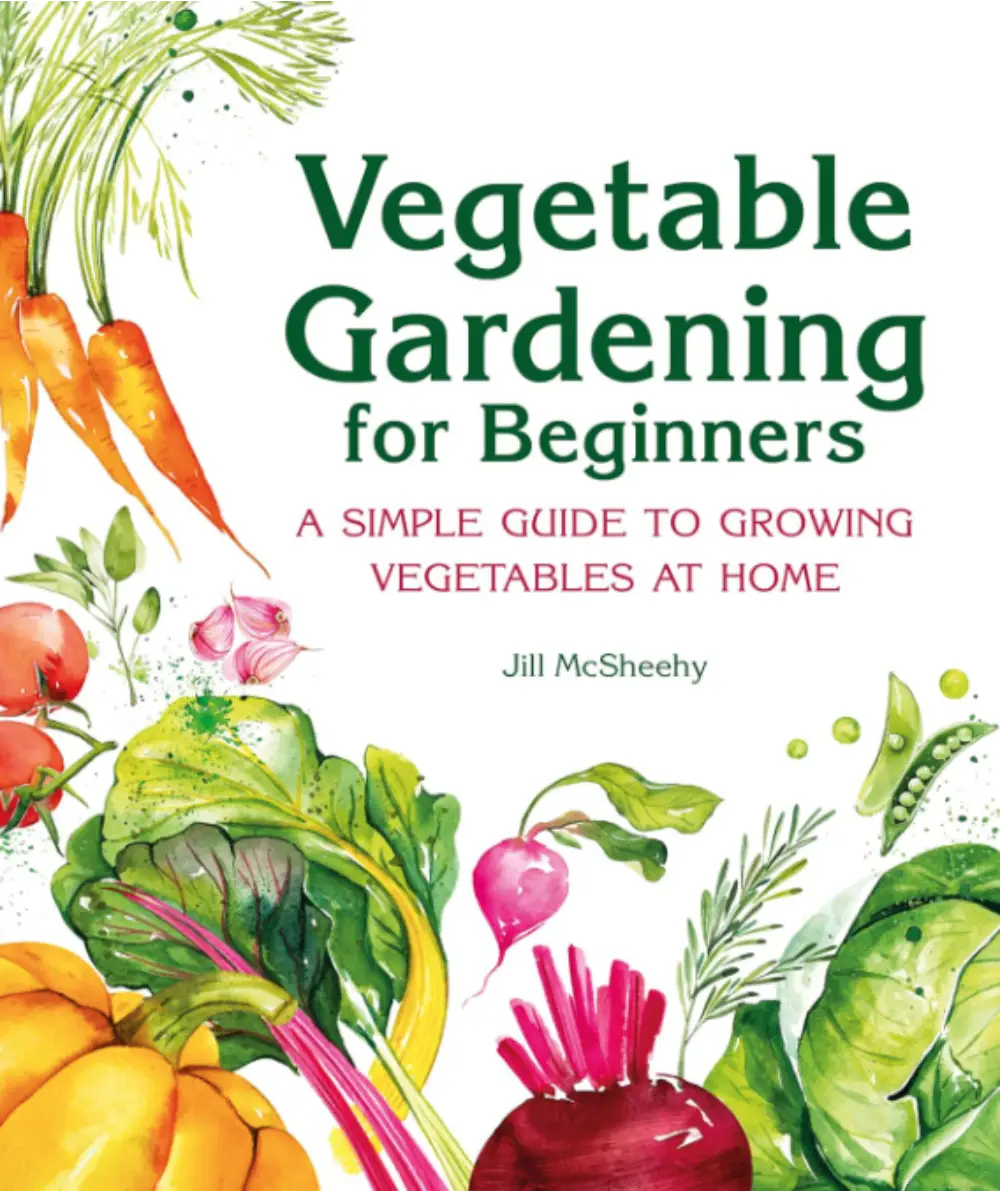
Jill McSheehy is an author, podcaster, and self-taught gardener, well-known for making gardening accessible to beginners through resources such as her book ‘Vegetable Gardening for Beginners.’
Jill’s comprehensive book covers the absolute gardening basics – right garden tools and design, seasonal planning, crop selection, soil basics, and pest control – with simple instructions for peppers, tomatoes, herbs, and more.
Rather than using dense academic language, Jill used a friendly writing style that feels like mentorship and helpful illustrations, focusing on ‘quick wins’ to keep beginners motivated.
Verdict: This book is ideal for absolute beginners who want a friendly, low-stress introduction to gardening, encouraging them to start small and learn from experience.
Rodale’s Basic Organic Gardening
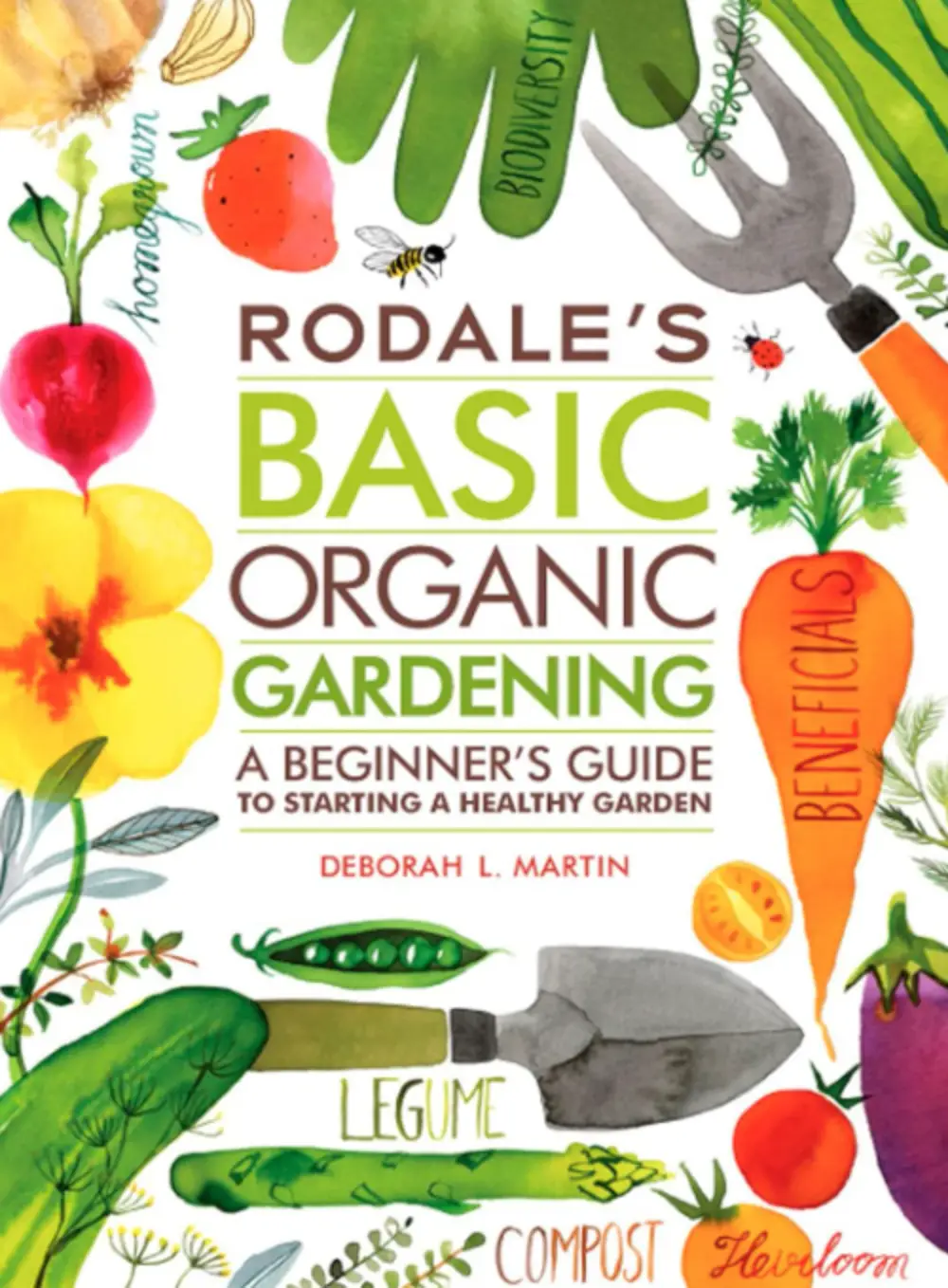
Here is a gold standard of chemical-free gardening books. It simplifies organic gardening by explaining core concepts like soil health, seed starting, composting, pest control, and planting in simple, season-based 10 manageable steps.
Also, it covers fundamental skills, defines common terms, highlights easy-care plants, and promotes the healthy, sustainable practices necessary to successfully grow plants organically.
In his book, Rodale teaches beginners how to work with nature rather than dominate it with synthetic fertilizers or pesticides. The book has troubleshooting sections that are helpful for beginners who might panic at the first sign of a yellow leaf or a strange beetle.
Verdict: This book provides a strong, definitive foundation for building a sustainable, environmentally friendly garden from the ground up.
The Well-Tempered Garden – Christopher Lloyd
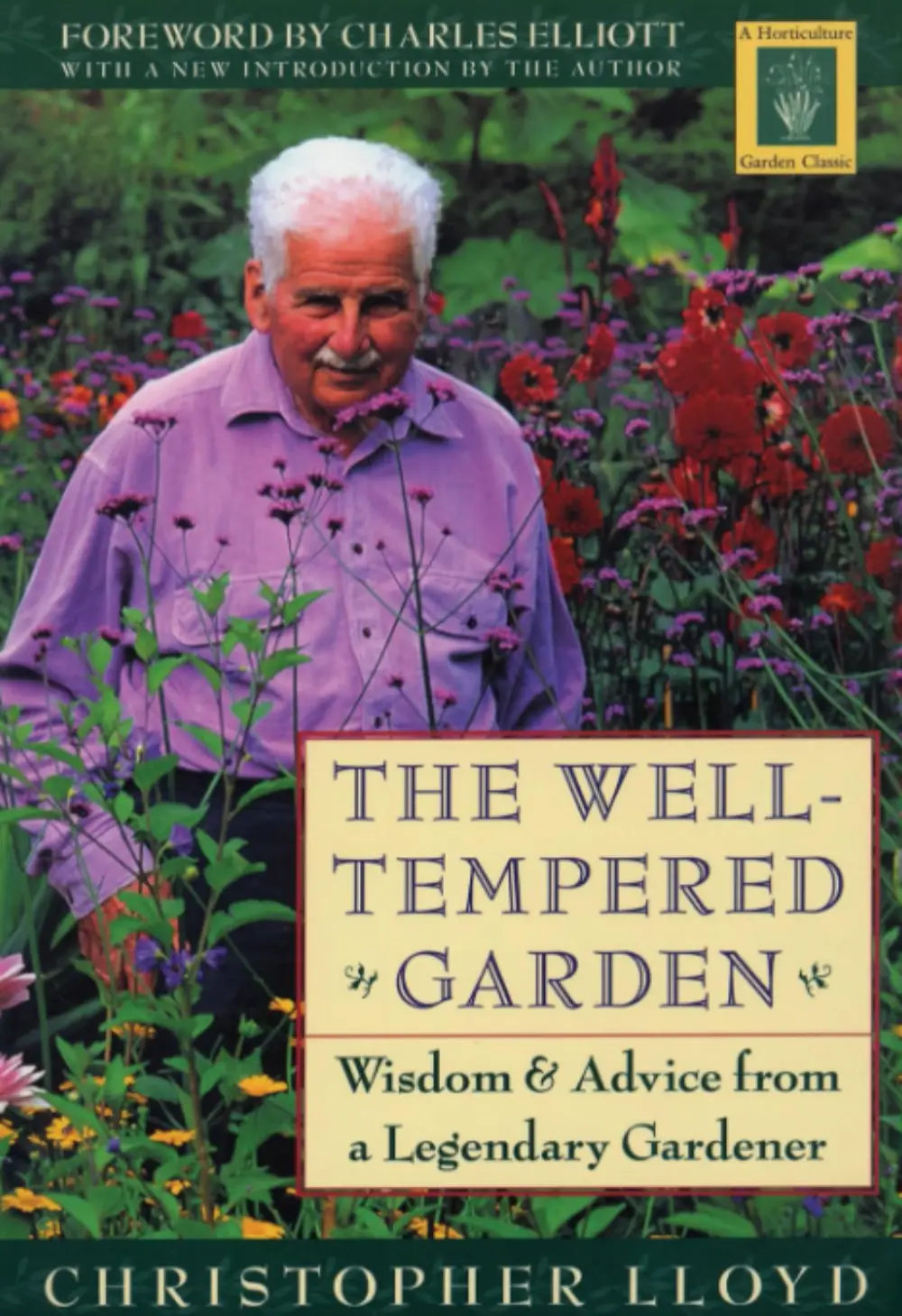
This guide inspires confidence and creativity. It is ideal for beginner gardeners who are more interested in flower beds and aesthetic landscape design than vegetable rows.
In his book, Christopher encourages newbie gardeners to take a bold step, experiment with color, and find their own creative voice. It also includes many practical steps and advice on planting and pruning.
This book instills confidence and teaches that a garden is a living canvas and that mistakes are simply part of the artistic process.
Verdict: This book is best for beginners who want garden design inspiration, as well as for those who see their garden as a creative outlet and a work of art.
The New Organic Grower – Eliot Coleman
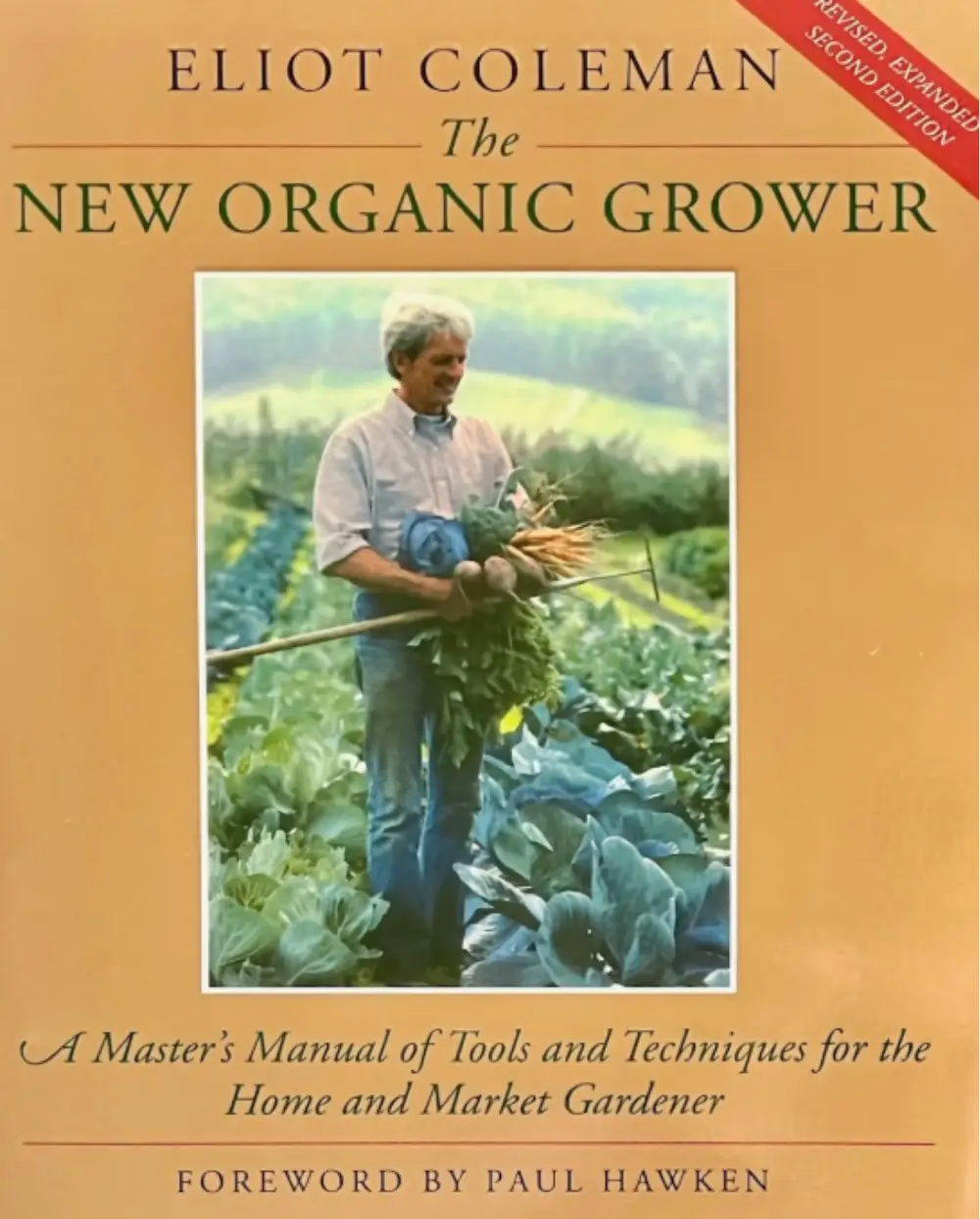
Eliot Coleman’s ‘The New Organic Grower’ is well-known for its clarity on ‘succession planting,’ which is ideal for beginners interested in sustainable growing.
It’s a perfect guide for those who are serious about high-quality intensive garden production.
In this foundational book, Eliot advocated for sustainable, productive, and profitable farming via principles, such as soil health, crop rotation, farm-generated fertility, and year-round production using simple technologies.
He also gave simple, elegant systems with clear explanations for growing lots of food in a small garden space using manual tools and biological health.
This book demonstrates how small-scale farms can thrive economically by focusing on high-value, high-quality produce and direct marketing.
Verdict: Ideal for beginners who want to treat their backyard garden with the precision of a small-scale farm.
Square Foot Gardening – Mel Bartholomew
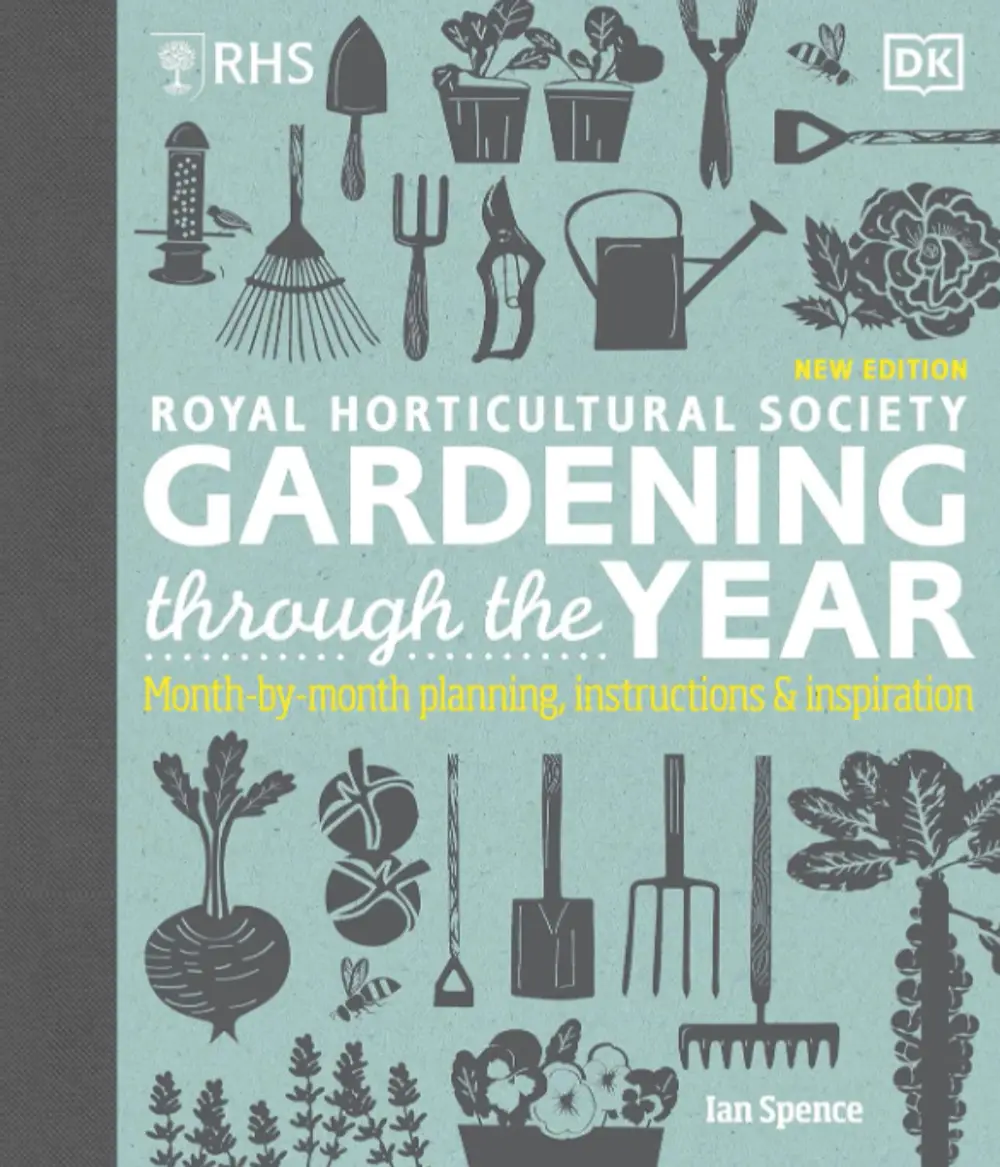
Why let limited space stop you from fulfilling your gardening dream? Get this book to learn how you can make an organized, thriving garden out of your small yard.
Square Foot Gardening by Mel Bartholomew is excellent for small spaces and raised beds. It guides you in dividing your garden into one-foot squares, eliminating the need for complex math or heavy tilling.
This gardening system also reduces watering and weeding, making gardening easier and more manageable, even for those with busy schedules.
You will be amazed at how much you can achieve in a one-foot square garden space. This book is also packed with planting charts and clear diagrams that will guide you exactly on how many seeds to put in each square.
The content in this book is highly organized and incredibly efficient. It is nearly impossible for you to fail if you carefully follow the instructions.
Verdict: We recommend this book for any space-conscious gardeners who crave organization, structure, and easy maintenance.
RHS Gardening Through the Year – Ian Spence
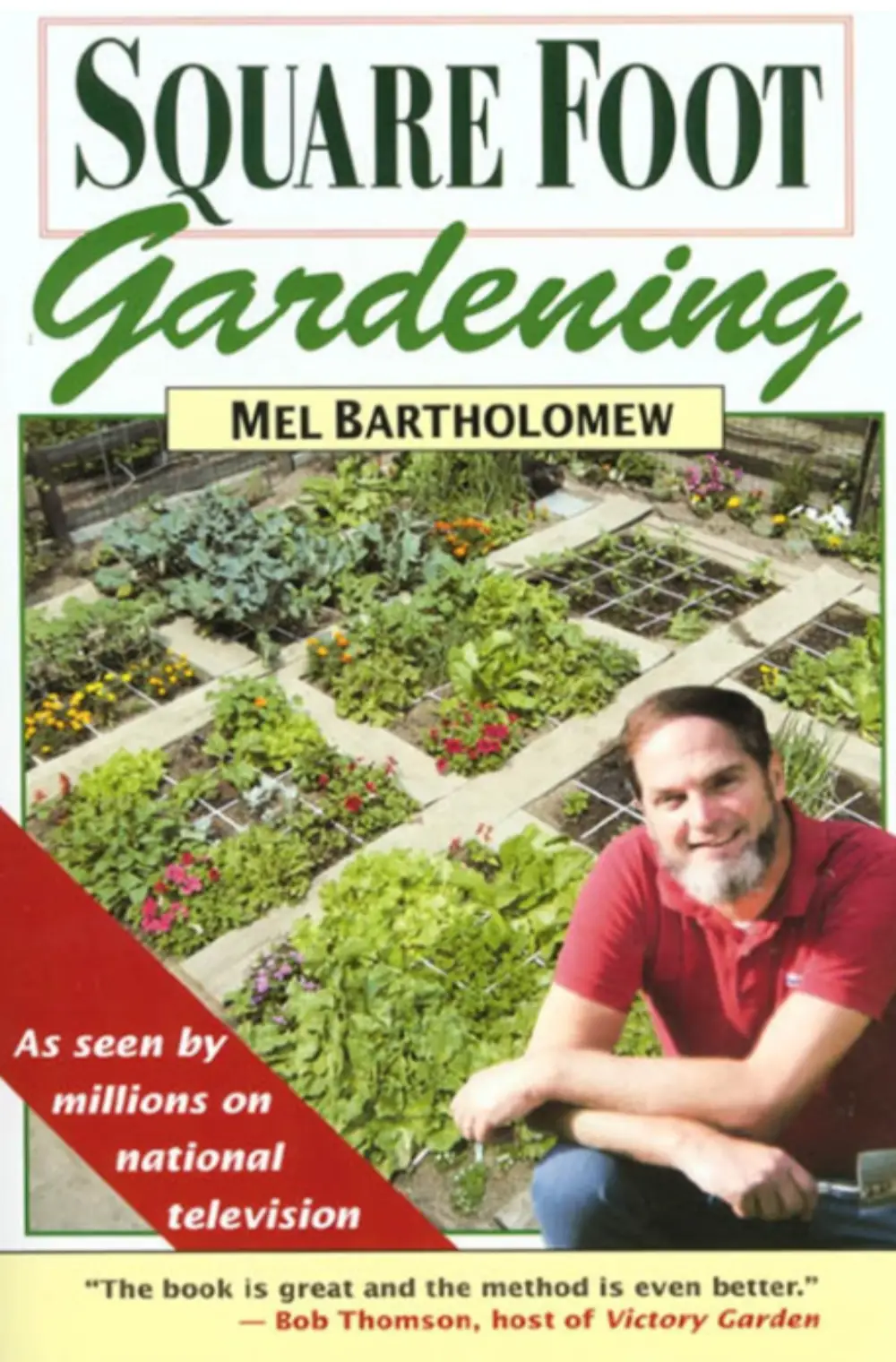
The last gardening book on our list is no other than ‘Gardening through the Year’ endorsed by the Royal Horticultural Society (RHS). This book is the gold standard for seasonal garden planning.
This book provides month-by-month guidance and structured advice, teaching beginners exactly which tasks to do in the garden at any given time. It provides a clear, structured roadmap that ensures nothing important is left out throughout the planting seasons.
To aid guidance, this book includes stunning visuals and high-quality photos that show exactly what plants should look like at different stages of growth.
From vegetable sowing to shrub pruning and lawn care, this book covers everything you need to know in a timely manner.
Verdict: Ideal for visual learners who want a clear, month-by-month guide on how to stay on the gardening track.
Best Gardening Books by Category
Sometimes, categorizing your goals can help you to choose the right resource. Irrespective of your gardening needs, there will always be a specialized book tailored to your needs.
Here are the best gardening books by category to help you make the right choice.
Best Vegetable Gardening Books for Beginners
If your focus is on vegetable gardening, which requires a grasp of soil nutrition, crop rotation, and harvesting cycles, here are the books for you:
- The Vegetable Gardener’s Bible by Edward C. Smith: This guide is famous for its “W-O-R-D” approach system, teaching beginners how to maximize vegetable yields in any soil.
- Vegetable Gardening for Beginners by Jill McSheehy: This guide breaks down the “how” and “when” of vegetable gardening, making it an ideal choice for those who want a simple, season-by-season roadmap.
- The Backyard Homestead by Carleen Madigan: If you want to expand beyond just vegetable gardening into fruit trees, grains, and even small livestock, this book is an excellent choice for you.
Best Home and Backyard Gardening Books
Are you focusing on lawns, flowers, and mixed gardens to improve the overall curb appeal of your home or outdoor sanctuary? These home gardening books focus on lawns, flower beds, and landscape design, and are ideal for you:
- RHS Gardening Through the Year by Ian Spence: From vegetable sowing to shrub pruning and lawn care, this book covers everything you need to know in a timely manner.
- The Flower Gardener’s Bible by Lewis Hill: This book guides on the specific soil type and climate to choose when considering annual or perennial plants.
- Lawn Care for Dummies by Lance Walheim: This guide simplifies the complexities of fertilization, irrigation, and mowing, helping newbies achieve a lush, healthy lawn.
Best Visual Gardening Books
Do you prefer learning via pictures, diagrams, and infographics? These gardening books with illustrations are indispensable. These books turn complex horticultural tasks into easy-to-follow visual guides:
- RHS Gardening Through the Year by Ian Spence: This book features stunning visuals and high-quality photos that show exactly what plants should look like at different stages of growth.
- RHS Encyclopedia of Gardening by Christopher Brickell: This book features thousands of illustrations for identifying plants and understanding their growth habits.
- Gardening Step by Step by DK Publishing: This definitive visual reference uses high-quality photography to show every stage of tasks like pruning, grafting, and seed sowing.
Print Books vs Digital Gardening Guides

Both print and digital gardening guides are good. The ideal choice depends on personal preference and the specific context of use.
For instance, print offers deep learning, better retention for long texts, fewer distractions, a tactile feel, and less eye strain. Digital copies, on the other hand, excel in instant access, convenience, portability, cost-effectiveness, and searchability.
Nevertheless, both physical books and ebooks have pros and cons:
Pros of Print Book
Durability in the garden: Print books can be left on a garden bench or handled with soil-stained gloves without fear of soiling an expensive electronic device or cracking the screen. Also, you don’t need to worry about screen visibility in bright sun or the battery running out.
Immersive experience: Print books aid better focus and fewer distractions than reading on screens.
Visual clarity: Visuals, such as illustrations, photos, and diagrams, are particularly impressive and easier to study in a physical book. Also, you can read content without the distracting glare of the sun – less eye strain.
Accessibility: Information in print books is always more accessible, as they do not rely on power. Also, users can easily flip through pages.
Tangible reference: With physical books, users can make physical annotations and visually mark sections for quick reference later.
Cons of Print Book
Heavy and bulky: Print books can sometimes be heavy or feel bulky to carry many at once.
More expensive: They are often more expensive than ebooks due to production and shipping costs.
Pros of Ebooks
More portable: A single smartphone or e-reader can store several digital books, guides, and reference materials without adding weight, eliminating the bulky feel of many physical books.
Instant access and updates: As long as your smartphone or e-reader is charged, you can access ebooks almost immediately and receive updates. What more? Ebooks offer adjustable font sizes and text-to-speech options for people with disabilities.
Also, ebooks can be quickly updated with the latest information on pests, diseases, or plant varieties.
Quick searchability: Keyword searches to find specific information are quick and efficient in ebooks.
Additional multimedia content: Most digital guides include embedded videos, audio, links, and interactive tools that can offer additional or different dimensions of learning.
Cost and environmental impact: E-books are not only cheaper than printed books, but they are also more environmentally friendly – imagine purchasing and reading 10 to 15 physical books.
Cons of Ebooks
Screen fatigue: Ebooks are well-known for their potential to cause eye strain and disrupt blue light.
Distractions: Sometimes notifications from other apps can distract.
Device-dependent: Ebooks and digital guides require a device with a charged battery.
However, beginners benefit most from printed guides during planting, as they can quickly reference diagrams while their hands are busy. Printed guides also allow annotation and note-taking directly in the margins. Lastly, notification fatigue of tablets and phones is eliminated, promoting deep learning.
How to Choose the Right Gardening Book for You

Choosing the right gardening book from among the vast sea of gardening books for new gardeners requires a bit of self-reflection and a number of factors, which include:
Climate and region relevance: This is an important consideration. Most general gardening books may offer some key advice that doesn’t apply to your specific climate or region. For instance, tips or advice on winterizing in a cold-weather region are useless in Southern Florida.
Also, some books focus on specific USDA Plant Hardiness Zones or provide localized advice on planting times, suitable plant varieties, and pest control, which are not generally applicable.
As planting time and plant selection vary wildly by location, always look for gardening books that reference climate zones or regional specifics.
Type of gardening (vegetables, flowers, containers): A book that tries to cover every type of gardening may lack in-depth information on a specific niche. Likewise, a book that focuses mainly on growing salad greens may not be helpful to someone trying to raise orchids.
So, identify the type of gardening you want to focus on – vegetables, flowers, containers, urban gardening, or organic methods, and look for specialized books that offer in-depth knowledge on that gardening type.
For instance, if you prioritize methods like ‘Square Foot’ gardening, the book “Square Foot Gardening” by Mel Bartholomew is your ideal choice.
Learning style and time commitment: Lastly, if you’re a visual learner, look for books with high-quality pictures, detailed illustrations, diagrams, and step-by-step instructions. Some books offer online video tutorials as supplementary materials.
If you’re a busy person, choose a book that aligns with the time you can realistically dedicate to gardening, such as a highly visual ‘month-by-month’ guide.
Common Mistakes Beginners Make When Learning from Books

Even with the best gardening books, beginners often make some common mistakes that can lead to frustration. Some common mistakes beginners make when learning from books include:
Trying advanced techniques too early: It can be tempting for most beginners to jump into complex gardening practices without mastering the fundamentals. Doing this often leads to failed crops and burnout.
Ignoring local climate advice: This is another major pitfall. Some beginners follow the guidelines learnt from gardening books, ignoring their local climate.
Many gardening books offer general timelines, but these may not apply to your specific region. For instance, a beginner may literally follow a book’s planting calendar, forgetting that their humidity levels and local frost dates differ significantly from the author’s environment.
Buying overly technical books: Lastly, some beginners often buy them out of overzealousness. Diving into an overly technical book before understanding the basics of gardening can be overwhelming.
To stay motivated, start with a strong foundation first, and the advanced skills will follow naturally as your garden grows. Consider practical, step-by-step guides that prioritize actionable advice over complex botanical theory.
Final Thoughts — Start Simple and Grow Your Skills
Are you ready to start gardening?
These carefully selected best gardening books for beginners offer something for every aspiring gardener, from soil preparation, vegetable sowing, to shrub pruning and lawn care.
Each book gives unique insights to help you create and maintain your perfect garden, whether it’s a collection of houseplants or a productive vegetable patch.
Don’t try to read all these seven books before you plant your first seed. Instead, choose the one that matches your gardening goals. Read a chapter, plant something, make a mistake, learn from it, and return to the book. Happy gardening.
Frequently Asked Questions (FAQs)
The best gardening book for absolute beginners depends on whether they want to grow flowers, vegetables, or an entire landscape. For vegetables, consider ‘The Vegetable Gardener’s Bible’ by Edward C. Smith. If you have small gardening spaces, get ‘Square Foot Gardening’ by Mel Bartholomew, and for organic gardening, get ‘Rodale’s Basic Organic Gardening.’
No, neither approach is better than the other. The ideal approach for beginners is to use both gardening books and YouTube together, as they serve different parts of the learning journey. We recommend that you rely on books for foundation building and YouTube for specific visual demonstrations.
No, beginner gardening books do not work for all climates. Although the principles work everywhere, the planting timing and plant choices do not. So, you need to consider region-specific factors such as climate, soil type, and frost dates when applying the principles outlined in beginner gardening books.
The first gardening book to read depends on your specific goal – whether you want to grow a sea of flowers, feed your family, or just keep a few balcony pots alive.
Yes, many organic gardening books are suitable for beginners. In fact, they are often the best place to start. Organic gardening books help beginners focus on building a self-sustaining ecosystem.