

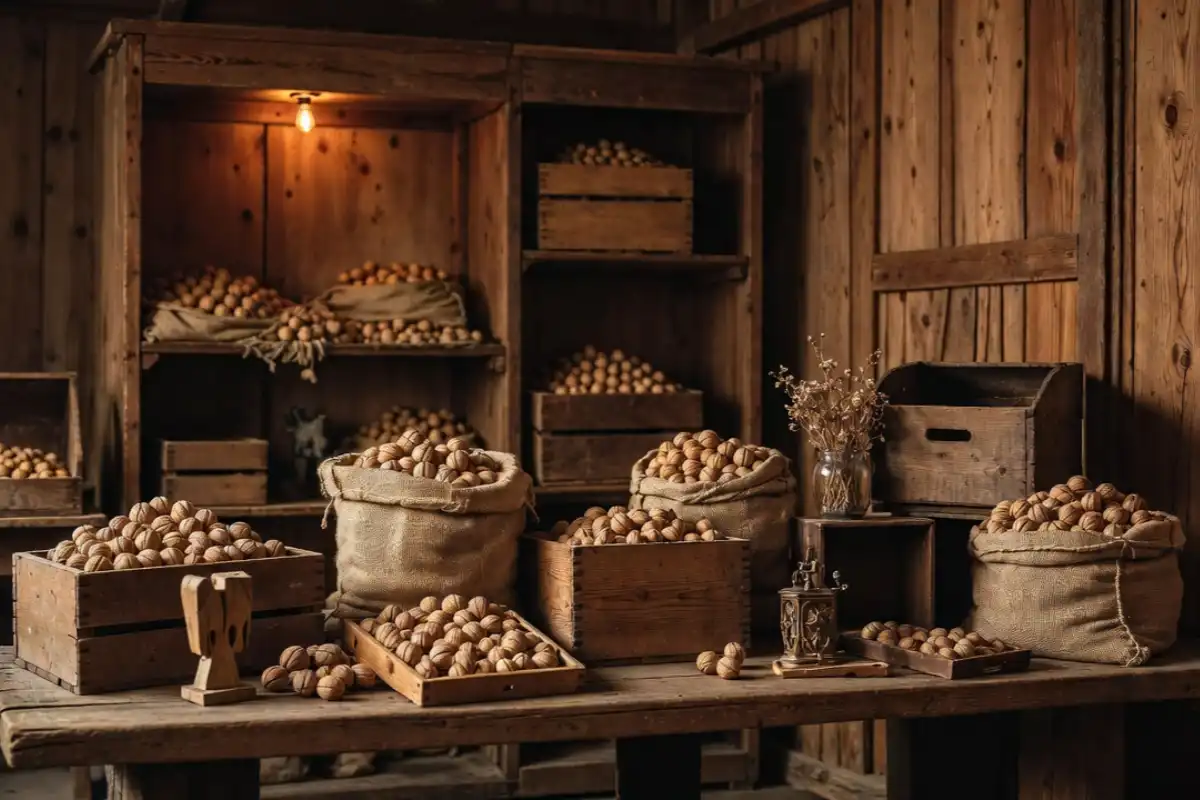

Walnuts are crucial to global trade due to increasing worldwide demand driven by their versatility as a food ingredient, their usefulness in health and wellness trends, and their significant economic impact on exportation and the production industry.
- What Are Walnut Harvest Auctions?
- How the Walnut Auction Process Works
- Factors That Affect Walnut Auction Prices
- 1. Variety and Size
- 2. Kernel Quality and Moisture Levels
- 3. Defect Rate
- 4. Global Market Demand and Export Policies
- 5. Global Health Trends
- 6. Weather and Harvest Yield Trends
- Walnut Grading and Quality Standards
- Where to Find Walnut Harvest Auctions in 2026
- How to Sell Walnuts at Auction (Farmer’s Guide)
- Preparation Tips Before Selling
- How to Register for Auctions and Set Reserve Prices
- Common Mistakes to Avoid
- Buying Walnuts at Auction — Tips for Traders and Processors
- Walnut Market Trends and Future Outlook (2026 and Beyond)
- Final Thoughts — Maximizing Profit from Walnut Harvests
- Frequently Asked Questions (FAQs)
This makes the walnut tree one of the best nut trees to grow for profit.
Nevertheless, the walnut harvest, which usually runs from September to November in most regions, has been affected by several environmental factors and global trade dynamics. This makes walnut harvest auctions vital for the economic viability of the walnut industry.
Walnut harvest auctions not only provide a pivotal marketplace for growers to sell their crop, but they also ensure market transparency, determine fair market prices, facilitate large-scale trade, and ensure that walnuts are quickly collected and processed, preventing spoilage.
Considering the importance of auctions in the efficient sale of tons of walnuts, there is a need to learn how walnut harvest auctions work in 2026.
This guide explains how these harvest auctions work, key factors influencing walnut prices, and essential buyer tips for securing the best deal.
What Are Walnut Harvest Auctions?

Walnut harvest auctions are a method for selling newly harvested, unshelled walnuts to buyers through structured market events. In this market structure, walnuts are sold in large quantities, usually to the highest bidder.
Government-supported or not, auctions are a vital mechanism for price discovery. They define the initial base price for the selling season based on immediate supply, demand, and quality assessments.
This specialized market structure attracts a range of specialized participants: farmers (growers), wholesalers (handlers), and exporters.
Farmers: These are the growers and primary sellers who offer freshly harvested walnuts in varying quantities. Small-scale farmers or growers with no direct contracts often rely on these auctions to quickly sell their nuts after harvest.
Wholesalers: These are the primary buyers, and often the handlers, shellers, or processors. Wholesalers purchase newly harvested walnuts in large lots, taking on the responsibility for cracking, grading, shelling, drying, and packaging.
Typically, wholesalers seek to secure enough walnuts each year to meet their contractual obligations.
Exporters: These are international sellers to international buyers. They often participate in auctions to secure high-quality, in-shell walnuts for international markets such as Asia and Europe.
Walnut harvest auctions often operate across several established platforms, which include online auction platforms, local and regional auction houses, and agricultural cooperatives.
Specialty market: This platform is often smaller and focuses on a specific variety of walnut. It can take the form of an annual event dedicated to wild-harvested or niche varieties, such as the American Black Walnut. It is usually conducted in a live format.
Cooperative markets: These are regional growers’ cooperative associations holding pool sales or auctions for their members. Examples include Farmers’ Cooperatives, APMC (Agricultural Produce Market Committee) mandis, and FPOs (Farmer-Producer Organizations).
Local auction houses: These are local or regional auctioneers that hold physical (onsite) auctions, sometimes offering online bidding.
Online auction platforms: These are digital platforms for large commercial volumes, allowing registered users to bid remotely on standardized commodity grades.
Notable platforms include Walnut Harvest Auctions, LLC, HiBid, AuctionTime.com, and e-NAM (National Agriculture Market).
How the Walnut Auction Process Works

The process of selling walnuts at auction follows a multi-step procedure designed to maximize farmers’ profits and ensure quality for buyers. Here is the step-by-step breakdown:
- Harvesting: Everything starts with harvesting the walnut, which typically takes place from September to November. Walnuts are mechanically shaken from the trees to harvest.
- Drying: After harvesting, the nuts are hulled to remove the outer green casing. After that, they are quickly dried to reduce their moisture content to about 8%. This prevents mold and preserves the kernel’s prized light color, providing profitable returns for growers.
- Declaration of Buying Period: In some regions, such as California, the government often officially declares the “Walnut Buying Period” post-harvest (late November) to regulate the sale of raw walnuts. Non-processing buyers can only lawfully purchase and receive raw walnuts at this time.
- Proof of Ownership: Sellers are often required to obtain and provide a “Proof of Ownership” certificate to prevent theft. Proof of Ownership is required, especially for those selling less than a certain amount of walnut.
- Grading and Sampling: Prior to auction listing, the nuts are segregated into uniform lots, and independent inspectors assess samples to assign detailed grades. The grade report, which covers key metrics like kernel color, shell integrity, size, and yield percentage, fundamentally determines the lot’s market value.
- Auction Listing: The assessed lots are then listed on the auction platform. The walnut buying process often requires buyers to physically inspect samples and carefully review grade reports before bidding.
- Bidding: Once everything is set, competitive bidding commences. Typically, nut prices are quoted either per ton or per metric ton, and the highest bidder wins the lot. The outcome of the bidding establishes the global market price for that particular grade.
- Payment: Payment is processed through a financial intermediary or the auction house to ensure a secure transaction for both the seller and the buyer. The winning bidder signs a contract and pays a non-refundable deposit shortly after the auction.
- Logistics: The winning buyer also arranges the logistics for pickup.
Though the key auction steps are universal, the methods slightly vary internationally. For instance, California, one of the major walnut exporters, conducts auctions through online exchanges or competitive tenders. The auctions focus on large, standardized lots of specific commercial walnut varieties, such as Hartley and Chandler.
On the other hand, in countries like Chile and Turkey, auctions involve smaller grower-cooperative societies and occasionally use auction formats such as the Dutch auction. In Dutch auctions, which are faster but less common, the price drops until a buyer accepts.
Factors That Affect Walnut Auction Prices
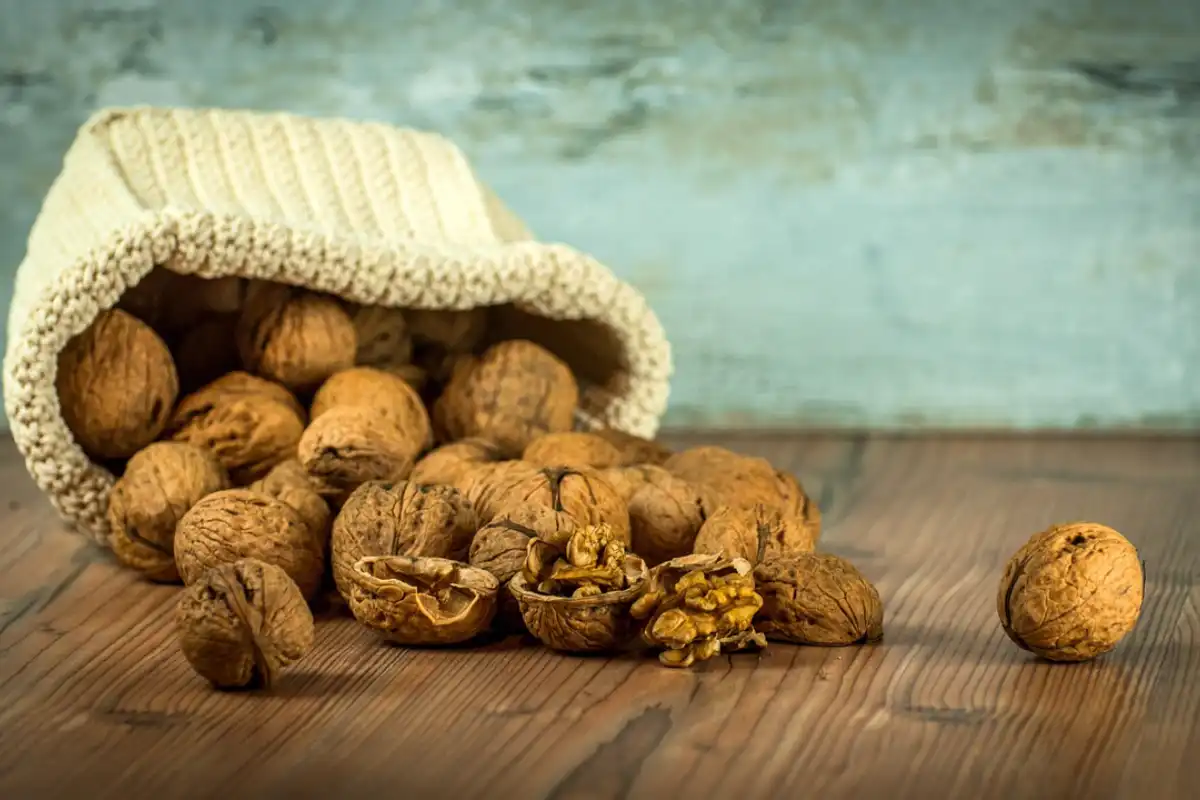
Walnut auction prices are influenced by a combination of interlocking factors, including product-specific characteristics, logistical considerations, and global market dynamics.
For auction participants, understanding these factors is crucial to evaluating the market value, especially when forecasting the walnut price per ton in 2026.
1. Variety and Size
Nut-specific characteristics, including physical dimensions and varietal origin – Chandler, Hartley, Howard, etc. – are fundamental price differentiators.
Some walnut varieties, such as Chandler, command higher prices in many international markets due to their very light, consistent kernel color, high yield, and mild flavor. Hartley and Howard varieties, with darker kernel color, may not achieve the same price premium as Chandler.
Likewise, walnuts in “Jumbo” (in-shell) or “Extra Large Halves” (shelled) sizes are preferred for high-end culinary uses and direct consumer packaging, making them pricier.
Whereas, smaller-sized nuts, though valuable, are relegated to the industrial ingredient market. That means Jumbo-sized walnuts of Chandler variety fetch the highest price per ton in 2026.
2. Kernel Quality and Moisture Levels
These factors determine walnuts’ suitability for storage and premium markets, impacting the final auction price.
Kernel quality is actually the most crucial factor, and the color of the kernel’s pellicle is of utmost concern. Walnuts with “Light” or “Extra Light” kernels are visually appealing and more expensive.
Nuts with darker kernels, signifying poor post-harvest handling or rancidity, are often discounted.
For moisture levels, walnuts must be dried to a low moisture content of about 8% or less to prevent mold and ensure safe, long-term storage.
Lots with too high moisture levels face spoilage risk, while lots with too low moisture levels can become brittle, breaking excessively during shelling.
3. Defect Rate
This is the percentage of walnuts in a lot with visible defects, such as shell integrity issues, insect damage, or shriveling. Defect rate usually lowers the overall edible kernel yield and, consequently, the price.
4. Global Market Demand and Export Policies
Walnut is a global commodity, hence its price is highly sensitive to international trade flows and political stability.
For instance, strong demand from major importing regions, such as India, the UAE, Turkey, and the European Union, puts upward pressure on auction prices.
Also, export policies, such as trade tariffs and global freight and logistics costs between major producing and importing regions, can cause prices to spike or drop in specific markets.
5. Global Health Trends
Increasing consumer awareness of walnuts’ health benefits can drive market growth and influence the final auction price.
6. Weather and Harvest Yield Trends
The most volatility in the walnut market is driven by total global harvest yields, which are largely determined by nature.
For instance, a projected significant increase in harvest yield suggests a strong supply, which can drive down auction prices. Conversely, a poor harvest yield can quickly drive up auction prices.
Also, extreme weather conditions, such as long low chill hours or excessive heat/drought, can lower quality and walnut price per ton in 2026.
| Variety | Market Position | Key Price Driver | Average Price Trend (2026 Est.) |
| Chandler | Premium Inshell/Kernel | Excellent Light Color, High Yield | Strongest |
| Howard | Mid-Range Kernel | High Yield, Good Size | Moderate/Stable |
| Hartley | Traditional Inshell | Distinct Shape, Flavor | Slightly Lower/Stable |
Walnut Grading and Quality Standards
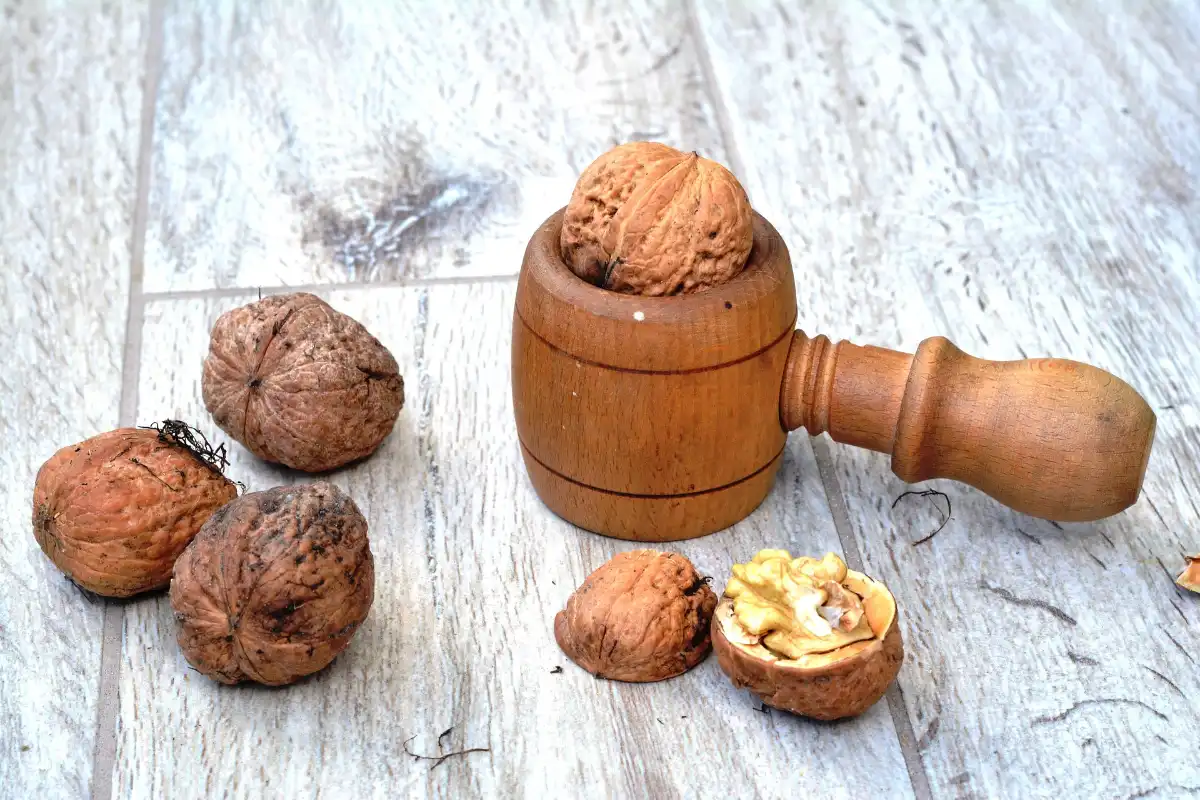
Walnut grading and quality standards involve classifying walnuts based on observable and measurable physical characteristics, such as kernel color, shell integrity, moisture content, and defects.
These characteristics are the major factors that directly influence walnuts’ auction bids (market value) and export eligibility.
Kernel Color: This is the most critical determinant of quality and value, usually measured against the USDA Walnut Color Chart (or equivalent local grading standards).
Kernel colors are typically classified as “Extra Light,” “Light,” “Light Amber,” or “Amber.” Walnuts with lighter kernels – Extra Light or Light – command the best prices in auction bids because they are preferred for high-end retail and confectionery.
Walnuts with darker colors – Amber – are best suited for processing and lower-grade use.
Shell Integrity (In-Shell): High-grade walnuts must be dry, bright, practically clean, and void of defects, such as splits, perforated shells, cracks, adhering hulls, and discoloration. Shell defects can lead to kernel spoilage and contamination.
Moisture Content: After harvesting and hulling, walnuts are quickly air-dried to reduce their moisture content, which is critical for shelf life and preventing mold or rancidity.
Proper moisture content preserves the kernel’s prized light color, providing profitable returns for growers. The optimal kernel moisture level is typically 4.5% to 8%. Higher moisture levels lead to mold, rancidity, and rapid deterioration. Overdrying can affect kernel color and make it brittle.
Defects: Grading specifies specific tolerances for various defects, such as decay, insect damage, rancidity, shriveling, mold, dark discoloration, and the presence of foreign materials.
The presence of a small percentage of any of these defects can lower the grade of an entire lot. More so, no live insects are allowed in any grade.
Where to Find Walnut Harvest Auctions in 2026
Buying walnuts at an auction can be a better option because of its transparent, fair, and faster process. However, finding the right walnut harvest auction depends largely on the variety and volume of walnuts you are seeking.
Key regional auction market channels include:
California Walnut Auctions: California is the world’s largest walnut producer. Walnut auctions differ from typical public auctions and are primarily conducted through handler bid systems and cooperative pool pricing.
Board and California Walnut Commission handle direct sales and contracts between a network of growers, packers, and major processors, where prices are largely influenced by the annual crop estimates published by the USDA National Agricultural Statistics Service (NASS).
European and Turkish Auction Markets: Europe is a major walnut consumer, while countries such as Turkey, Romania, and France specialize in producing and trading walnuts.
Walnut auctions in these regions are localized and handled via regional agricultural cooperatives and dedicated food market platforms.
Pakistan and Indian Walnut Harvest Markets: Oftentimes, the walnut harvest in India and Pakistan enters a vast network of wholesale markets. While not formal public auctions, rapid negotiations and price bidding occur daily among local traders and wholesalers, establishing prices for the native, high-quality stock.
How to Sell Walnuts at Auction (Farmer’s Guide)
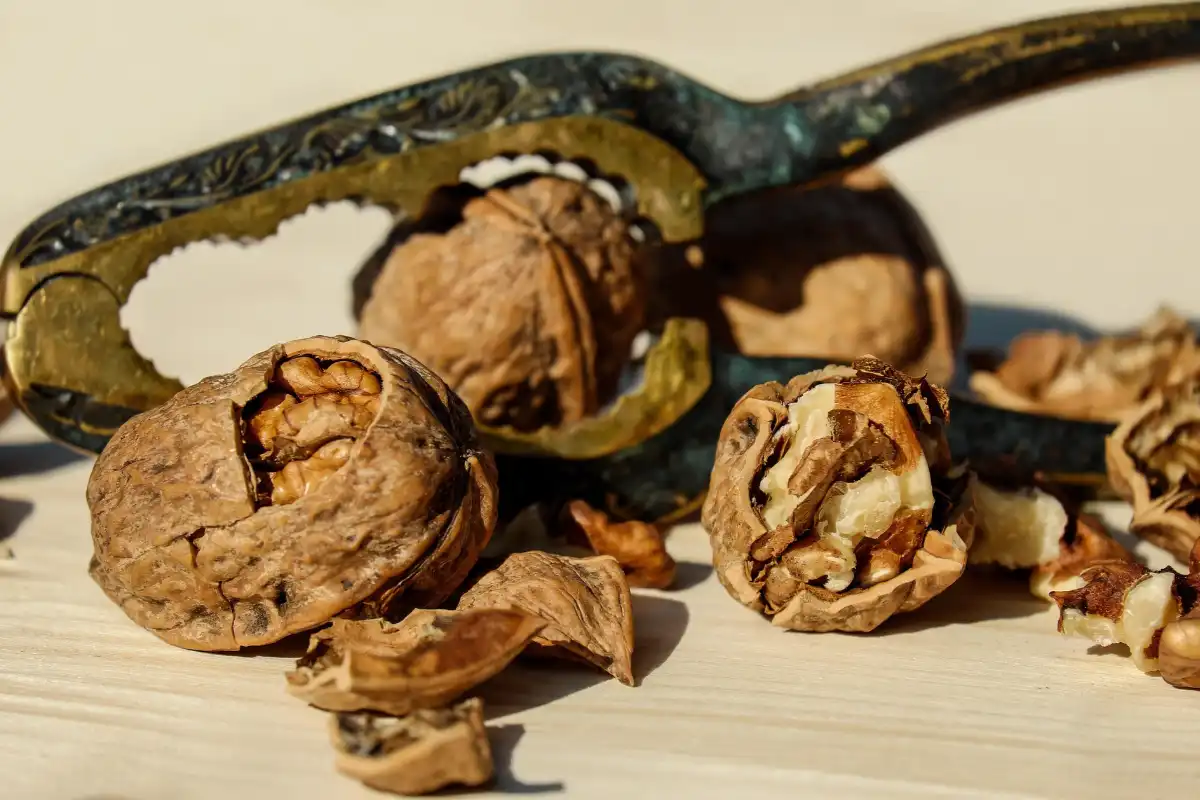
Selling walnuts at auctions requires meticulous preparation and strategic market knowledge to maximize farming profit. This section explains every necessary step a farmer needs to take to sell walnuts at auctions.
Preparation Tips Before Selling
You need to understand that the final bid price depends largely on the quality of your lot. Hence, you need to prepare and present your lot to appeal to buyers by doing the following:
Husking: Immediately after harvesting, you need to dehusk (remove the hull) the walnut. Otherwise, the juice from the hull will stain the shell, giving it a dark color. The juice will also give a strong, bitter taste to the kernel, lowering its grade and value.
Cleaning: After husking, thoroughly wash the in-shell nuts to remove any trace of debris or hull residues.
Sorting: While washing, remove any cracked, empty, or moldy walnuts. Typically, filled walnuts sink in water, while unfilled walnuts float. You can use this simple tip to sort the nuts.
Drying: This is an important factor as it controls the walnuts’ moisture content. Dry the walnuts to an industry-standard moisture level of about 4.5% to ensure quality and longevity.
To dry the nuts, spread them in a single layer on a flat surface in a shaded, well-ventilated area. You can also use mechanical dryers, but avoid using direct sunlight. Proper air circulation is key to preventing mold and rancidity.
Packaging: After drying, package the nuts in breathable containers, such as burlap sacks or mesh bags. Avoid storing unprocessed walnuts in sealed plastic. Doing this can trap moisture, promote mold, and accelerate rancidity, rapidly deteriorating the kernel’s quality.
When packaging, strictly maintain the lots’ integrity. That is, package each walnut variety and grade level into separate lots and clearly mark them. This will help you build integrity and buyer confidence.
Documentation: Auction requires documentation. In most regions, you must obtain and tender a Proof of Ownership Certificate or similar local documentation before you can legally sell walnuts.
How to Register for Auctions and Set Reserve Prices
First, identify a suitable auction platform for walnuts and create an account. Then, provide all necessary official documentation and other information required for verification. Accept the terms and conditions and add a payment method.
You will be asked to consign your lot, providing details on the walnut variety and total weight. Also, you would need to submit a formal sample of your walnuts for cracking and grading. The grade assessment determines your lot’s value.
To set a reserve price, you need to first calculate your total cost of production, as your reserve price must cover this to ensure a profit.
Next, carefully monitor the market to understand the prevailing nut prices per ton or per metric ton for your specific walnut grade and variety.
Now, set a reserve price slightly below the current market price for your specific grade and variety. This will help to protect you from selling too cheaply while encouraging competitive bidding.
Common Mistakes to Avoid
Here are some common mistakes to avoid when planning to sell your walnuts at Auction:
Avoid underdrying your nuts: Leaving your walnuts with high moisture content can darken the kernels and lead to immediate mold and rancidity. This often results in a weight deduction or the total rejection of the lot.
Avoid mixing varieties or grades: Try to sort them as much as possible, separating different varieties and grades. Buyers usually price a lot containing mixed varieties or grades at the level of the lowest-quality nut in the lot.
Don’t delay husking: As soon as you harvest the nuts, husk them. Leaving the husks on the nuts for too long after harvest can stain the shell and contaminate the kernel flavor.
Buying Walnuts at Auction — Tips for Traders and Processors
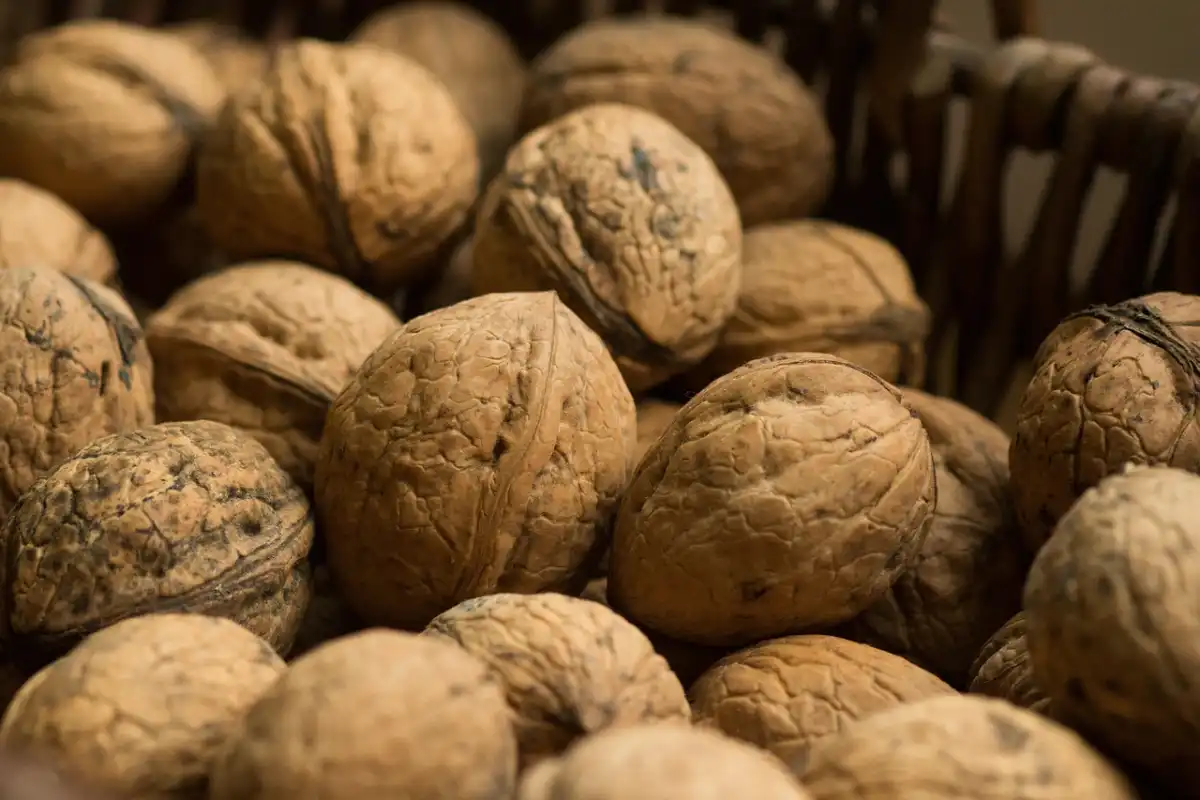
To ensure profitability, buying walnuts at auction requires thorough preparation, quality assessment, and strategic bidding. The following tips for wholesale walnut buyers are crucial for securing high-quality lots and minimizing risk:
Inspect the lot for freshness and consistency: Make sure to check the nuts’ freshness and color, as quality is king. The price you are paying must be justified by the ultimate kernel yield, nut quality, and market value.
Also, freshness is paramount. So, check for moisture, signs of mold, holes, or cracks, especially in shelled walnuts.
Consistency is key to processing and marketability. Hence, meticulously check the uniformity of the provided samples in terms of size, color, and overall appearance. Poor consistency drags down the value of the whole purchase.
Check certifications: Certification ensures smooth customs clearance and access to high-value foreign markets. Ensure the lot has the necessary documentation for food safety certifications, such as HACCP, GlobalG.A.P., or ISO 22000.
Understand bid increments: You need to be careful and don’t let emotion rule your actions – bid confidently but cautiously. Note the minimum bidding increment and quickly calculate how each increment affects your final price per metric ton to avoid exceeding your preset maximum bid.
Stay calm and professional: During the bidding process, maintain composure and stick to your pre-determined strategy.
Walnut Market Trends and Future Outlook (2026 and Beyond)
The global walnut market trend is projected to reach $8.5B in 2026 and grow at a CAGR of about 4.4% to $10.53B by 2030. This growth is expected to be driven by product diversification, demand for plant-based proteins, and health-conscious consumer preferences.
US exports experienced a sharp decline in the 2024/2025 season due to lower yields. Nevertheless, the country remains the top global exporter of walnuts by value.
Shipments to Europe showed some resilience, while exports to China and the Middle East declined sharply due to trade dynamics and production constraints.
For China, the world’s largest producer and consumer of walnuts, exports increased in 2024 mainly to the UAE and other Asian markets. International walnut buyers turned to China due to high prices and limited supply from the US and Chile.
In Europe, a major importer of walnuts, imports of shelled walnuts from third countries such as Chile, the US, and Ukraine increased in 2024. Though France is the leading walnut exporter in the EU, its total exports declined sharply in 2024.
In 2026, global walnut production is projected to slightly increase. The US harvest is projected to grow by about 18% from the previous year, helping to stabilize global supply.
Walnut production in China is expected to remain stable, depending on weather conditions. Chile’s 2026 harvest is expected to increase slightly, as its 2026 yield was larger than the previous year’s.
Final Thoughts — Maximizing Profit from Walnut Harvests
Walnut harvest auctions present a transparent market defined by a strong global demand meeting high-quality supply. Successful buyers will be those who approach the market with thorough preparation, quality assessment, and strategic, timely bidding.
Buyers should meticulously verify grade reports, factor in total cost, and carefully monitor global trends to maximize profit.
The crucial point is to prioritize quality over simple volume. While the increasing global walnut supply may likely introduce slight downward pressure on pricing, walnuts with high-quality, light-colored kernels will continue to command a premium.
Moreover, looking ahead, long-term profitability is sustained by adopting sustainable and value-added practices. By following these strategic tips, you can effectively navigate the competitive auction process and secure the best possible value for the 2026 walnut harvest.
If for any reason your Walnut tree is shedding its bark but you don’t know why, here are possible causes and solutions for bark peeling off your Walnut tree.
Frequently Asked Questions (FAQs)
The exact timing of walnut harvest auctions largely depends on the walnut variety and the region. However, walnut harvest auctions generally take place in September through December, when walnuts become available. Walnut’s harvest season runs from September to November, while auctions take place during the Fall and early Winter each year.
Currently, there is no definite 2026 average walnut price per ton. However, the average global walnut price per ton in 2024 ranged from a low of $1.51 per kg to a high of $9.85 per kg, which equals $1,510 to $9,850 per ton.
Small farmers often produce small quantities of walnuts that are too low to be sold through major bulk auction systems. To participate in online walnut auctions, these small farmers need to utilize specialized digital channels, the “Walnut Buying Period,” and local grower aggregators/cooperatives.
In some cases, auctions are better than direct sales to processors because of the faster, transparent, and competitive bidding environment, which may result in higher prices when demand is strong.
The Chandler walnut variety sells best at auctions because of its desirable high-quality characteristics. Some qualities that contributed to Chandler’s high market value at auctions include very light kernel color, large nut size and shape, shell quality, high oil content, pleasant taste, and high yield.